















Featured

News


ايمن ابو الخير

هل نحن في مرحلة اجتياز الاقتصادي المهيمن القائم على أساس المصانع الكبيرة والشركات متعددة الجنسيات إلى عالم يقوم على حرية الاختيار، الذي سيتمكن فيه الكيانات الصغيرة من المنافسة مع الشركات الكبيرة،وبالتالي ستساهم في تشكيل اقتصاد المستقبل؟ هل نحن فعلا بصدد عبور الاقتصاد "التناظري" الحقيقي الى الاقتصاد الافتراضي، ام ان الانتقال سيكون من الاقتصاد الافتراضي الى الاقتصاد الحقيقي؟


 يعنى الاقتصاديون بتلبية الاحتياجات الإنسانية في ضوء محدودية الموارد. ويضطلع علم الاقتصاد بدراسة القضايا الاقتصادية الأساسية الأربعة وهي: ماهية السلع التي يتوجب إنتاجها؟ كيفية استخدام الموارد في عملية الإنتاج؟ توقيت عملية انتاج السلع؟ واخيرا، تحديد الذين سيحصلون على السلع تامة الصنع؟. ان الإجابة على هذه الأسئلة الأربعة هو امر ضروري لاقتصاد سليم. وبالإضافة إلى ذلك، فان إرضاء أذواق المستهلكين بأقل التكاليف لتحقيق الكفاءة هو امر ضروري أيضا بالنسبة للاقتصاديين وللشركات، خصوصا في ظل الثورة الصناعية الحالية وانتشار ثقافة الاستهلاك.


تمثل شبكة الإنترنت في الوقت الحاضر أداة قوية لتسهيل التجارة، حيث أنها تفتح الاسواق لعرض متنوع يناسب جميع الأذواق، وهي تفتح الطريق الى "التجارة الشاملة" والى مزيد من التفاعل بين المستخدمين النهائيين للمنتجات والمصممين والشركات المنتجة. ان الانتشار الواسع لاستخدام الإنترنت في العالم انعكس بشكل مباشر على التعريف التقليدي للسوق. فلم يعد السوق ينحصر في ذلك المكان الذي يلتقي فيه البائعين والمشترين، بل انه يشهد تغييرا جذريا في ضوء النمو الكبير للتجارة الإلكترونية. بل ان بعض الاقتصاديين يعتقدون أنه نظرا لهذا التطور التكنولوجي الهائل، فان الطابعات ثلاثية الابعاد ستصبح "مصانع المستقبل".
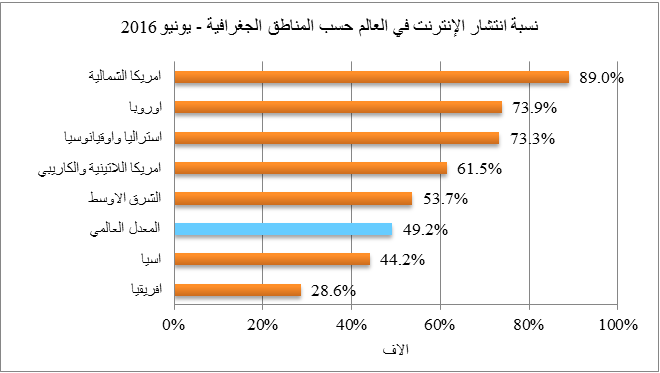
المصدر: Internet World Stats – www.internetworldstats.com/stats.htm


التجارة الإلكترونية، نحو تجارة شاملة

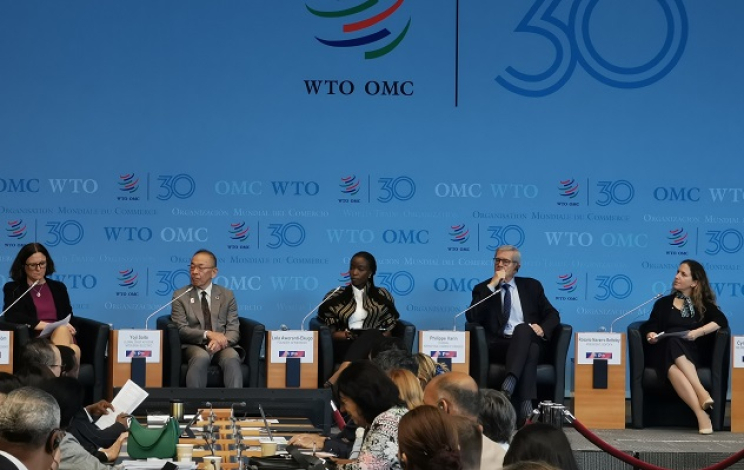
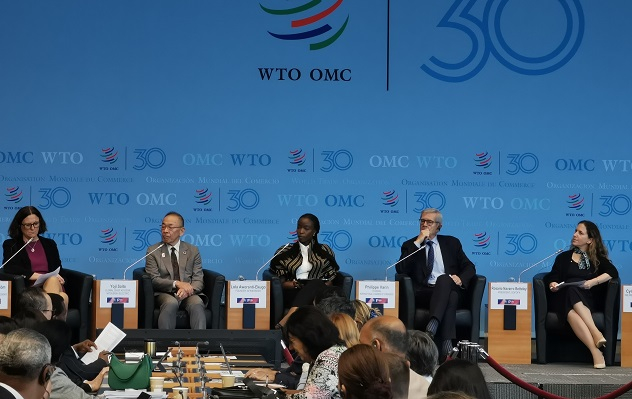
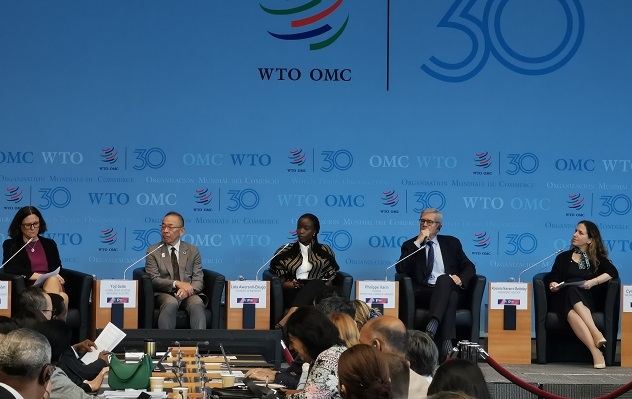
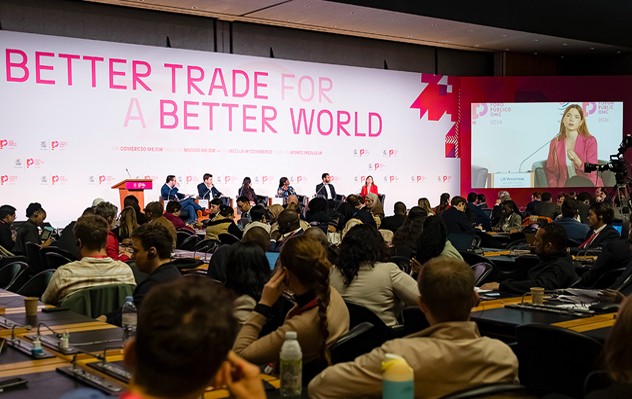
في الندوة التي نظمتها منظمة التجارة العالمية في شهر ايلول/سبتمبر الماضي في جنيف حول التجارة الشاملة "Inclusive Trade"، تم تسليط الضوء على أن النمو السريع للتجارة الإلكترونية هو عامل رئيسي لتسهيل "التجارة الشاملة" وذلك انها تعمل على تسهيل التواصل بين المستفيدين وتساعد على تقريب المسافات وبذلك تحد من تكلفة التجارة. ان التداول عبر الإنترنت يحظى باهمية متزايدة وهو أمر حيوي بالنسبة للشركات الكبيرة والصغيرة، وخصوصا لتنظيم الإنتاج والتوزيع من خلال سلاسل التوريد العالمية. تعتبر التجارة الالكترونية بالنسبة للمؤسسات الصغيرة والمتوسطة الحجم عاملا مهما لجلب فرص جديدة لأنها تفتح الطريق لربط الأسواق العالمية.


في الوقت الذي تشهد فيه التجارة بين الشركات نموا متسارعا، قدرت منظمة مؤتمر الأمم المتحدة للتجارة والتنمية (الأونكتاد) في عام 2015 أن قيمة التجارة الالكترونية بين الشركات وصلت إلى أكثر من 15 تريليون دولار، في حين ان التجارة الالكترونية بين الشركات والمستهلكين النهائيين وصلت لأكثر من تريليون دولار. وهكذا فان هناك قناعة بأن السماح للمؤسسات الصغيرة في البلدان النامية بالاستفادة من الأسواق العالمية، في ظل الدور المتنامي للاقتصاد الرقمي يمكن أن يولد ثورة صناعية جديدة.


من المؤسف ان البلدان النامية لا تستفيد كثيرا من الطفرة المستمرة التي يشهدها الاقتصاد الرقمي. فوفقا لمؤشر التجارة الإلكترونية بين الشركات والمستهلك النهائي لمنظمة التجارة والتنمية (الأونكتاد) لعام 2016، تصدرت البلدان ذات الدخل المرتفع المراكز العشرة الاولى في التصنيف، علما انها تنتمي لكل من أوروبا وآسيا والمحيط الهادئ وأمريكا الشمالية. وقد احتلت لوكسمبورغ المرتبة الأولى نظرا لقطاعها المالي المتطور، ويعزز مكانتها توفر خوادم آمنة للمستخدمين وكونها المقر الأوروبي للاعبين الاساسيين في التجارة الإلكترونية العالمية مثل أمازون (Amazon) وباي بال (PayPal) وأبل (Apple). من جهة اخرى، على الرغم من كون لوكسمبورغ دولة غير ساحلية، الا ان لديها شبكة لوجستية متطورة وهي ثاني أعلى دولة أوروبية من حيث درجة الموثوقية البريدية وفقا للاتحاد البريدي العالمي. سويسرا كذلك هي مثل لوكسمبورغ، لديها قطاع مالي قوي، وشبكات لوجستية جيدة وتغطية بريدية عالية.


وتصنف أيسلندا في المرتبة الثانية كونها رائدة في استخدام الإنترنت وحيازة بطاقات الائتمان وانتشار الخوادم الآمنة. كما تشكل النرويج وفنلندا بلدان الشمال الأوروبي الأخرى التي تأتي في المراكز العشرة الأولى نظرا لتمتعها بنفس الخصائص: مثل الانتشار الواسع للإنترنت وبطاقات الائتمان بالاضافة الى انتشار مواقع البيع الالكتروني على شبكة الإنترنت. كذلك المملكة المتحدة التي تحظى بانتشار واسع لاستخدام الإنترنت وبنسب عالية، يظهر مؤشر التجارة الالكترونية بين الشركات والمستخدم النهائي المرتفع تطور سوق التجارة الإلكترونية فيها، وهي تشكل بيئة جذابة بشكل خاص للمتسوقين من الخارج. كما أن لديها أعلى معدل للتسوق على شبكة الإنترنت في العالم، حيث تصل نسبة الذين يشترون السلع والخدمات عبر الإنترنت إلى 85% من مستخدمي الإنترنت.


من ناحية أخرى، سجل اقتصادي بلدين من اصل ثلاثة من منطقة آسيا والمحيط الهادئ مرتبة بين افضل عشرة اقتصادات وفقا لهذا المؤشر بسبب ما تتميز به شبكاتها البريدية من موثوقية عالية. فقد احتلت جمهورية كوريا واليابان المرتبة الاولى والثانية على التوالي فيما يتعلق بموثوقية بريدها وفقا لتصنيف الاتحاد البريدي العالمي. ويبين الجدول التالي أهم 10 اقتصادات وفقا لمؤشر التجارة الإلكترونية الذي تصدره منظمة الامم المتحدة للتجارة والتنمية (الأونكتاد).
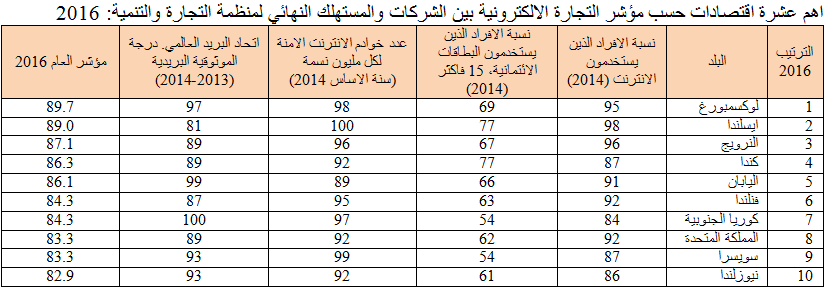
 

ملاحظة: تم استخدام منهجية بريدية مختلفة للمؤشرات للعام 2014 و2016.

المرجع: UNCTAD B2C E-COMMERCE INDEX 2016, UNCTAD Technical Notes on ICT for Development, No. 7.


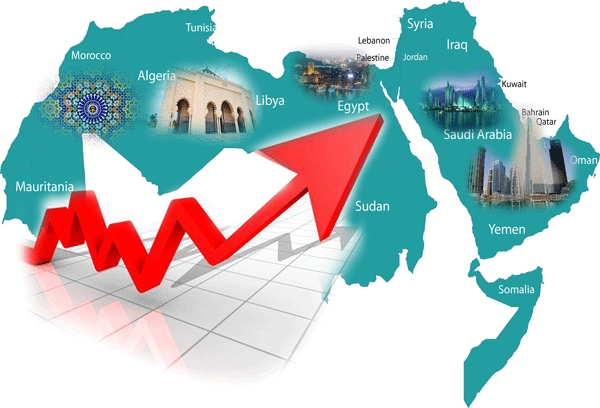
العالم العربي واقتصاد المعرفة

وفقا لتقرير اقتصاد المعرفة العربي لعام 2015-2016، شهد التسوق عبر الإنترنت في الشرق الأوسط نموا كبيرا في السنوات القليلة الماضية، وهو ما ادى مؤخرا الى تشجيع الاستثمارات العالمية في سوق التجارة الإلكترونية في المنطقة.

وقد وثق التقرير جيدا تحول المنطقة إلى اقتصاد المعرفة مع التركيز بشكل خاص على المدن الرقمية العربية. ووفقا للتقرير، تعد دبي من بين أكبر 10 مدن في العالم في الحوكمة الرقمية، حيث تصدرت عواصم عالمية مثل لندن وأوسلو وستوكهولم وفيينا في عام 2014.

وقد حظيت دبي بالمرتبة التاسعة بشكل عام وفقا لدراسة لتصنيف المواقع الرسمية لمئة مدينة رئيسية في مئة بلد، والرابعة في تقديم الخدمات والخامسة في الخصوصية والأمن. تم الاعلان عن المسح في ايلول/سبتمبر 2014 من قبل روتجرز، جامعة ولاية نيو جيرسي.
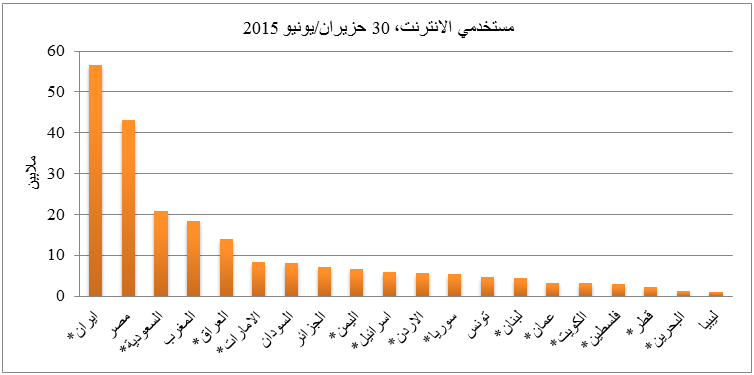
المصدر: Internet World Stats – www.internetworldstats.com/stats.htm  *الارقام هي لحزيران / يونيو 2016

الارقام لحيزران/يونيو 2016 لكل من موريتانيا والصومال وجيبوتي وجزر القمر هي اقل من 500 الف مستخدم.


تعتبر البنية التحتية الخاصة بتكنلوجيا المعلومات والاتصالات فضلا عن التقدم الملحوظ في مجال البحث والتطوير من الاسباب الاساسية في الأعداد الكبيرة من براءات الاختراع المسجلة في المملكة العربية السعودية. ويعتبر التوسع الديناميكي لاقتصاد المعرفة إلى حد كبير نتيجة للجهود التي تبذلها البلدان في المنطقة لتحويل اعتمادها عن النفط. وقد أدى هذا إلى مبادرات رائدة لتطوير التقنيات في القطاعات الاقتصادية الرئيسية. وقد امتد هذا التطور ليشمل التجزئة والضيافة ومختلف قطاعات الاعمال الأخرى.


وقادت دول مجلس التعاون الخليجي الست المنطقة العربية من حيث مؤشرات تكنولوجيا المعلومات والاتصالات في عام 2015. كانت مملكة البحرين في الصدارة، حيث وصل مؤشر انتشار استخدام الإنترنت الى 74.15 في المئة، في حين سجلت الكويت أعلى نسبة في انتشار الاشتراكات في الهاتف المحمول بمعدل وصل الى 194.62 في المئة.

وقد شهد العام 2015، ظهور خمس جامعات عربية على تصنيف شنغهاي الأكاديمي لجامعات العالم. فقد حققت أربع جامعات سعودية تقدما هاما من خلال ظهورها على الترتيب في التصنيف الأخير الذي صدر في يونيو عام 2015، وهي تعتبر الأولى على مستوى العالمين العربي والإسلامي.


وحلت كل من جامعة الملك سعود وجامعة الملك عبدالعزيز ضمن أفضل 151-200 جامعة عالمية في عام 2015، في حين انتقلت جامعة الملك عبد الله للعلوم والتكنولوجيا من كونها من بين افضل 401-500 جامعة عالمية في عام 2014 لتحتل مكانة بين افضل 301-400 جامعة في العام 2015 .


التجارة الإلكترونية في العالم العربي

يشهد العالم العربي خطوات سريعة نحو اقتصاد المعلومات. ووفقا لـ "Developed by Orient Planet Research" للبحوث، تتنبأ مجموعة "اوريانت بلانت" "Orient Planet Group" بأن معدل انتشار الإنترنت سوف يقفز من نحو 37.5 في المئة في عام 2014 إلى أكثر من 55 في المئة في عام 2018، أو حوالي 7 في المئة أعلى من المعدل العالمي المقدر بـ 3.6 مليار مستخدم. ومن المتوقع أن يصل عدد مستخدمي الانترنت إلى 197 مليون بحلول عام 2017، وهو ما يشكل اختراق بنسبة تصل لأكثر من 51 في المئة، مقارنة مع نسبة 32 في المئة في عام 2012 في العالم العربي، وفقا لأول تقرير لاقتصاد المعرفة العربي لعام 2014 (Arab Knowledge Economy Report of 2014).
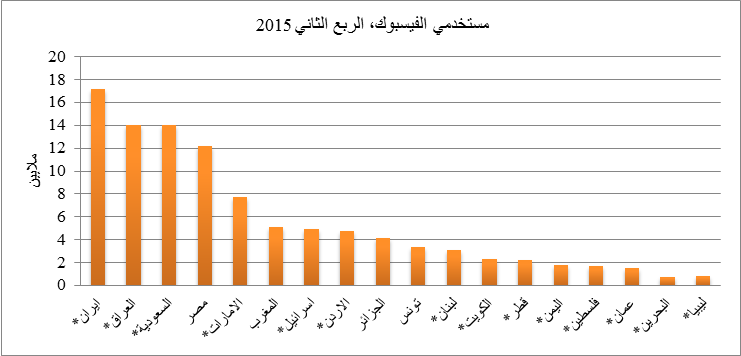
المصدر: Internet World Stats – www.internetworldstats.com/stats.htm *الارقام هي لحزيران / يونيو 2016

الارقام لحيزران/يونيو 2016 لكل من موريتانيا والصومال وجيبوتي وجزر القمر هي اقل من 100 الف مستخدم.


ويشير التقرير إلى أن الدول العربية تتجه نحو اقتصاد المعرفة من خلال تحسين قطاع التعليم ومن خلال اعتماد تكنولوجيات جديدة والاستثمار في البنية التحتية لتكنولوجيا المعلومات والاتصالات، وبناء برامج البحث والتطوير القوية، وتحسين بيئة الاعمال عموما. تعتبر الشراكة بين القطاعين العام والخاص امرا مهما لضمان التقدم السلس في المؤشرات المتعلقة بالمعرفة وبناء ثقافة العمل الحر التي تدعم الابتكار.


تقود دولة الإمارات العربية المتحدة الشرق الأوسط من حيث الترتيب العالمي لأداء الابتكار حيث احتلت المرتبة 38 على المستوى العام، ودبي هي المدينة الأولى في المنطقة لإقامة اول مجمعات للمعرفة، بما في ذلك مدينة دبي للإنترنت ومدينة دبي للإعلام وقرية المعرفة. يعتبر تحول دولة الإمارات العربية إلى اقتصاد قائم على المعرفة أولوية رئيسية لهذا البلد في ظل وجود العديد من الابتكارات في جميع القطاعات الاقتصادية الرئيسية مثل النفط والغاز والبناء والرعاية الصحية والضيافة.


يقدر سوق التجارة الإلكترونية في العالم العربي بأكثر من 7 مليارات دولار، حيث تحظى دولة الإمارات العربية المتحدة على نصيب الاسد، تليها المملكة العربية السعودية ومصر، اذ تقدر اسواق المبيعات على الانترنت بـ 1.5 مليار دولار و1.4 مليار دولار على التوالي.


وفقا لدراسة نشرتها "Payfort"، وهي بوابة الكترونية للدفع عبر الإنترنت مقرها دبي، في شهر ايار/ مايو 2015 قدر حجم التجارة الإلكترونية في الشرق الأوسط للعام 2014 بقيمة 14 مليار دولار، ومن المتوقع أن يبلغ هذا الرقم أكثر من 20 مليار دولار بحلول عام 2020، وهي تنمو بشكل سريع يفوق أية منطقة اخرى في العالم. وأشارت الدراسة إلى أن شراء السلع والخدمات ينمو بنسبة 45% سنويا في الدول العربية، مقابل 20% في أوروبا و 35% في آسيا. ووفقا للدراسة فان ما لا يقل عن 71% من المتسوقين على الشبكة الإلكترونية هم من الرجال، باستثناء دولة الإمارات العربية المتحدة، حيث ان غالبية المشترين هن من الشابات اللواتي تتراوح أعمارهم بين 26-35 سنة.

كما وجدت الدراسة بأن دولة الإمارات العربية المتحدة والمملكة العربية السعودية ومصر والكويت هي أكبر أسواق الإنترنت العربية، حيث تصل المبيعات لعدة مليارات من الدولارات سنويا.
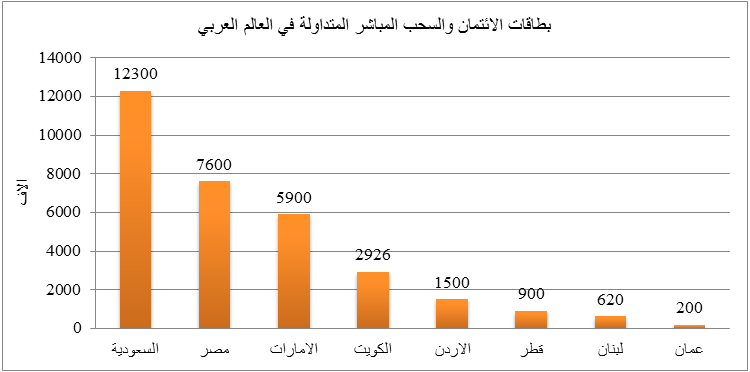
المصدر: PAYFORT, the State of Payment in the Arab World 2014.


على الرغم مما تقدم، لا تخلو التجارة الالكترونية من الصعوبات. فمن اهم الصعوبات التي تواجه توسيع الأعمال التجارية عبر الإنترنت في الشرق الأوسط وشمال أفريقيا هو الاعتماد الكبير على النقد بدلا من بطاقات الائتمان أو السحب. ويعد الدفع النقدي عند التسليم هو الأسلوب الأكثر شعبية في العديد من البلدان حيث بلغت نسبة من يعتمدون هذا الاسلوب 72% من إجمالي المتسوقين عبر الانترنت في مصر لعام 2014.


ووفقا للدراسة، يقدر حجم التجارة الإلكترونية السنوية في الأردن 400 مليون دولار في المتوسط، وهو متدني للغاية بالمقارنة مع الإمكانات الهائلة وأحجام الاسواق الفعلية في أماكن أخرى في المنطقة خصوصا في الخليج العربي.


وفي ظل وجود اكثر من 11 مليون مشترك نشط في الهواتف النقالة في العالم العربي، وانتشار واسع الانترنت يتجاوز 74%، وحقيقة أن حوالي 60% من أجهزة الاتصال هي هواتف الذكية، فإنه ليس من المستغرب أن التجارة الإلكترونية ستنمو بشكل ملحوظ خلال السنوات القليلة القادمة.


قدرت التجارة الإلكترونية على مستوى العالم خلال العام 2014  بـ 220 مليار دولار، وقد تم انجاز حوالي 20% من تلك الصفقات عبر الهواتف المحمولة، مقابل الصفقات التقليدية التي تتم على الانترنت عبر الكمبيوتر. وبالتالي، يقدر الخبراء السوق المتأتي من الهواتف المحمولة وحدها بـ 45 مليار دولار.


وفقا لمؤشر التجارة الالكترونية بين الشركات والمستخدم النهائي لمنظمة التنمية والتجارة (الأونكتاد) لعام 2016 تحتل النمور الآسيوية المرتبة الاولى من بين 10 اقتصادات نامية من حيث انتشار استخدام الإنترنت وتوفر الشبكات اللوجستية المتطورة. وفي حين كانت البحرين بالفعل من بين أفضل عشرة دول وفقا لتصنيف عام 2014، فقد دخلت دول عربية اخرى مثل قطر والإمارات العربية المتحدة على التصنيف المتقدم حيث تم اجراءا تعديل على المؤشر الخاص باسترجاع مكتب البريد للطرود، وهو ما رفع من تصنيفها وفقا لهذا المؤشر.

كما تعتبر الكويت أيضا سوقا مزدهرة للتجارة الإلكترونية. ويعتبر من المحفزات للتجارة الإلكترونية في الخليج العربي توفر منصات الكترونية للبيع رائدة باللغة العربية مثل موقع Souq.com. وهي متاحة لجميع الدول بتكلفة منخفضة مع امكانية ايصال الطرود خلال مدة وجيزة.
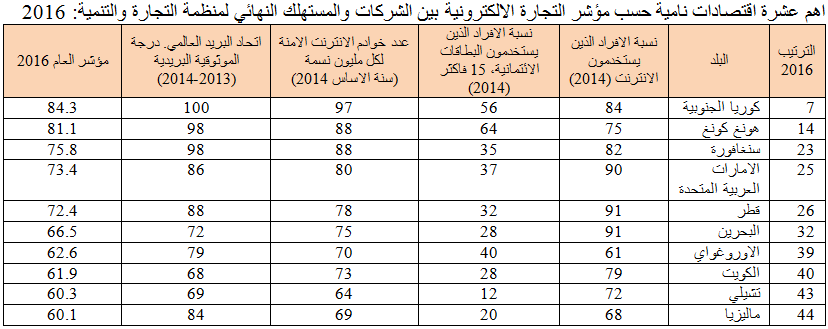
ملاحظة: تم استخدام منهجية بريدية مختلفة للمؤشرات للعام 2014 و2016.

المرجع: UNCTAD B2C E-COMMERCE INDEX 2016, UNCTAD Technical Notes on ICT for Development, No. 7.


كيفية التسوق ومن الذي يقوم بالتسوق؟

يشكل محرك البحث ووسائل الاعلام الاجتماعية الطرق المثلى المؤدية للتواصل مع المتسوقين في المنطقة العربية. ويعد الفيسبوك القناة الاجتماعية الرائدة التي تستخدم من قبل العلامات التجارية العربية للبيع على الانترنت، حيث يستخدم هذه الخدمة حوالي 41% منها. إينستاجرام تحظى أيضا بشعبية حيث تلجأ 23% من الشركات للاستفادة من هذا التطبيق.


وفقا لمقالة نشرت للكاتبة كاسي أوين على موقع التواصل الاجتماعي "لينكد ان"، فان الرجال هم في الغالب من يقومون بالتسوق على الانترنت بالمقارنة مع نسبة اقل من النساء. على سبيل المثال في دولة الإمارات العربية المتحدة 59% من المتسوقين عبر الإنترنت هم من الذكور، في حين تبلغ هذه النسبة في مصر 77%.

ويساعد مستخدمي الانترنت من الشباب في دفع سوق التجارة الإلكترونية قدما. اظهر تحليل الأسواق ان المستخدمين من الفئة العمرية 26-35 سنة هم أكثر ميلا للقيام بعمليات الشراء عبر الإنترنت من أي فئة عمرية أخرى. ففي مصر تبلغ نسبة المتسوقين للفئة العمرية هذه 50%.


الاتجاهات الإقليمية والقطاعية

وفقا لتقرير اعده موقع باي فورت "Payfort" حول الدفعات التي تمت لعام 2016، كانت اسواق المملكة العربية السعودية والإمارات العربية المتحدة الأسواق الأسرع نموا بالنسبة لمعاملات الدفع عبر الإنترنت، حيث بلغ معدل النمو 23% في جميع أنحاء المنطقة.


ويرصد التقرير معاملات الدفع عبر الإنترنت في قطاعات الطيران والسفر والتجارة الإلكترونية (التسوق عبر الانترنت) وقطاع الترفيه. يظهر التقرير نموا قويا في التسوق عبر الانترنت في مختلف القطاعات. فمثلا شهدت المعاملات في قطاع الطيران زيادة بنسبة 18 في المئة خلال الفترة 2014-2015، وفي قطاع السفر بنسبة 39 في المئة، وفي قطاع التجارة الإلكترونية بنسبة 31 في المئة وفي قطاع الترفيه بنسبة 34 في المئة. كان للأسواق الكبرى في المنطقة الحظ الاوفر وهي كل من مصر والمملكة العربية السعودية ودولة الإمارات العربية المتحدة من حيث الحجم والنمو على اساس سنوى، حيث شملت الزيادة معظم القطاعات باستثناء قطاع الترفيه في دولة الإمارات العربية المتحدة الذي بلغ حوالي عشرة أضعاف حجم معاملات التسوق عبر الانترنت في العام 2015 مقارنة مع أقرب بلد منافس.


واشار التقرير الى أن نسبة قبول المستهلك للدفع عبر الإنترنت في المنطقة في تزايد مطرد. فقد وصلت هذه النسبة في كل من مصر والأردن والكويت وقطر والمملكة العربية السعودية ودولة الإمارات العربية المتحدة الى أكثر من 50 في المئة، حيث سجلت كل من المملكة العربية السعودية ودولة الإمارات العربية المتحدة أعلى النسب المئوية وصلت الى 58 في المئة و 71 في المئة على التوالي. من جهة اخرى سجلت الأردن نسبة منخضة حيث أن 50 في المئة فقط من سكانها موصولون على شبكة الانترنت.

شهدت حجوزات الطيران والمعاملات التجارية بين الشركات أعلى معدلات الدفع عبر الانترنت في المملكة العربية السعودية ودولة الإمارات العربية المتحدة، في حين تعتبر التجارة الإلكترونية الأكثر شعبية في مصر، فيما تحظى خدمات السفر على الانترنت رواجا في الكويت والأردن، اما في لبنان يحظى السفر والترفيه بشعبية، اما في قطر فتحظى قطاعات الطيران والترفيه والمعاملات التجارية بين الشركات قبولا لدى مستخدمين الانترنت.


ويظهر التقرير أن هناك بعض الاختلافات الجلية بين عادات المستهلكين وتفضيلاتهم من بلد لاخر. على سبيل المثال، تبين ان تذاكر الطيران والملابس هي من اهم المنتجات طلبا عبر الإنترنت في دولة الإمارات العربية المتحدة، بينما في مصر كانت الهواتف النقالة وفواتير المياه والكهرباء هي الاكثر شيوعا. اما في الكويت والمملكة العربية السعودية فكانت تذاكر الطيران وفواتير المياه والكهرباء هي الاهم لمستخدمي الانترنت.

هناك تنوع للدور الذي تلعبه الإنترنت في التسوق. فقد اعرب 17 في المئة من المتسوقين انهم يقومون برحلة التسوق برمتها على الإنترنت في حين افاد 67 في المئة بانهم يستخدمون محركات البحث على الانترنت. كما افاد تسعة من أصل عشرة شملهم المسح بأنهم يقومون باستعراض المنتجات على الانترنت قبل اتخاذ قرار الشراء عبر الإنترنت.


من جهة اخرى، تواجه محاولات تشجيع المستهلكين على استخدام خيارات الدفع عبر الإنترنت تحديات خاصة، العديد منها ينبع من مقاومة المستهلكين لطرق الدفع الجديدة والتكنولوجيا المتطورة. يبقى الدفع النقدي عند التسليم الأسلوب المفضل للدفع عند 51 في المئة من المتسوقين العرب، ترتفع هذه النسبة الى 70 في المئة للمتسوقين عبر الإنترنت في مصر.


يتباين المستخدمون في دول المنطقة في اعتماد بطاقات الائتمان، وتحظى كل من الكويت ودولة الإمارات العربية المتحدة بأعلى نسب اعتماد تصل الى 97 في المئة و89 في المئة على التوالي، في حين تصل في كل من قطر والمملكة العربية السعودية الى حوالي 45 في المئة، ام في لبنان فهي تصل الى 15 في المئة فقط. بين أولئك المستهلكين الذين يدفعون عبر الانترنت، اعرب معظم المستهلكين عن الثقة العالية في الدفع الآمن والسرية، في حين حظيت الخصوصية على الانترنت بقدر أقل بكثير من الثقة.


العقبات التي تواجه التجارة الإلكترونية

أكد المشاركون في منتدى منظمة التجارة العالمية "التجارة الشاملة" الذي عقد في جنيف هذا العام كما تم الاشارة اليه في الاعلى، على أنه لا بد من توفير الظروف المناسبة لكي تزدهر التجارة الإلكترونية. وقد أشار عدد من المتحدثين الى الحواجز التي يمكن أن تعيق التجارة الرقمية، بما في ذلك عدم وجود البنية التحتية المناسبة، وعدم توفر حلول الدفع الآمنة او الخدمات اللوجستية او المشاريع الرقمية. ومن هنا يعد دور الحكومة حاسما للمساعدة في ازدهار التجارة الإلكترونية. وقد أكد الخبراء على اهمية البنية التحتية الرقمية، بما في ذلك توفير شبكات اتصال واسعة النطاق وجودة الاتصالات المتنقلة، التي هي عوامل جوهرية للقضاء على "الفجوة الرقمية" بين المجتمعات. كما أن التشريعات التي تسهل التجارة الإلكترونية هي أمر حيوي أيضا.


وفقا لدراسة نشرها موقع باي فورت "Payfort" فان عدم الاستقرار في المنطقة هو أكبر عائق أمام النمو. كما ان عجز الثقة في بعض البلدان ذات البيئة السلمية، مثل الأردن، يضع العراقيل في طريق توسيع الأعمال التجارية عبر الإنترنت. ومع ذلك، فانه من غير المرجح ان تشهد التجارة الإلكترونية في الأردن طفرة ما لم يتم اتخاذ خطوات لتعزيز ثقة الجمهور في الدفع عبر الإنترنت. ويتم ما نسبته 70-80% من المعاملات التجارية الإلكترونية الأردنية على اساس التسليم النقدي، وهو يعد عقبة رئيسية أمام زيادة حجم التسوق الإلكتروني نظرا للخطر المحدق بساعي البريد في حالة الحاجة لحمل المبالغ النقدية.


هناك عائق آخر وهو إضافة رسوم للخدمات اللوجستية ورسوم جمارك مرتفعة من قبل الحكومات. من هنا تضطر بعض المواقع لاضافة رسوم جمركية، وهي تختلف حسب اسلوب الشحن من بلد إلى آخر. فمثلا في الأردن يدفع المشترين الضرائب الجمركية فقط إذا تجاوزت قيمة المشتريات 100 دينار أردني (140 دولار).


ومع ذلك، هناك تحديات نابعة من عدم وجود أنظمة واضحة او أمن المعلومات على شبكة الإنترنت. وينبغي للحكومات أن تفعل المزيد لتعزيز هذه الصناعة من خلال وضع إطار تنظيمي شامل لتغطية الجوانب القانونية للتجارة الالكترونية في السوق الداخلية. على سبيل المثال خدمة ما بعد البيع تحتاج لادخال تحسينات، مثل تسهيل اعادة البضائع المشتراة عبر الإنترنت.


افاق المستقبل

وفقا لموقع باي فورت "Payfort" الرائد في مجال توفير خدمة الدفع على الانترنت في العالم العربي، خاصة تقريره حول "حالة المدفوعات في العالم العربي"، شهدت المنطقة العربية زيادة بنسبة 23 في المئة في المدفوعات عبر الإنترنت خلال عام 2015، بقيادة المملكة العربية السعودية ودولة الإمارات العربية المتحدة، حيث بلغت النسبة 40 في المئة و 24 في المئة على التوالي. وفي الوقت نفسه، يتوقع التقرير أن حجم المدفوعات عبر الإنترنت يمكن أن تزيد الى ما يقرب من ثلاث مرات بحلول عام 2020 لتصل إلى أكثر من 69 مليار دولار من اجمالي المعاملات سنويا.


Economy

Algeria

10 Mar 2015

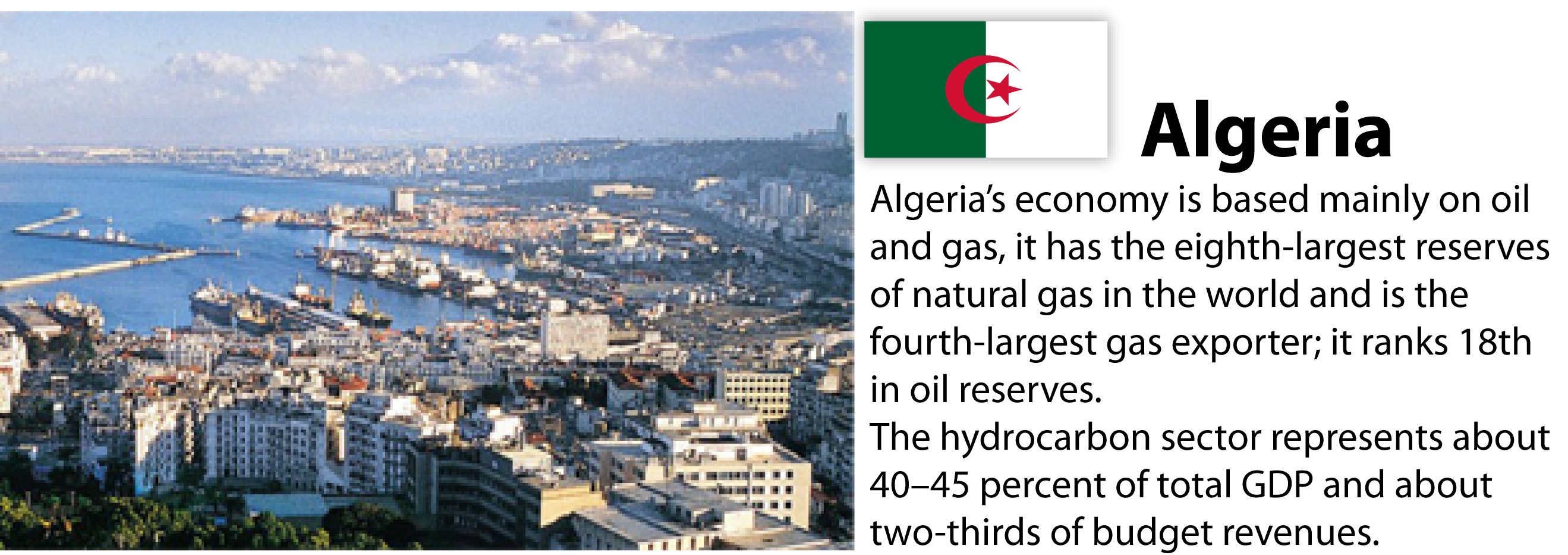
  Economy of Algeria Algeria’s economy is based mainly on oil and gas, it has the eighth-largest reserves of natural gas in the world and is the fourth-largest gas exporter; it ranks 18th in oil reserves. The hydrocarbon sector represents about 40–45 percent of total GDP and about two-thirds of budget revenues. Oil and gas resources account for 98 percent of the country’s exports and 70 percent of tax revenues. The chief challenges that Algeria faces in the short and medium terms are the need to diversify the economy, strengthen political and economic reform, improve the business climate, reduce regional inequalities and create jobs. Structural reform within the economy, such as development of the banking sector and the construction of infrastructure, moves ahead slowly. According to the World Bank indicator for ease of doing business in 2015, Algeria is ranked 154 out of 183 economies.   Essential Information   Area: 2,381,741 sq kmCapital: AlgiersPrincipal Towns: Oran, Constantine, Annaba, Stiff, Blida, Sidi Bel Abbes, Skikda, Batna, Tlemcen.Languages: Arabic is the official language but French is still widely used. There are Berber-speaking minorities.Climate: The coast has a moderate climate with temperatures ranging from 13 to 32°C. The summer months of June to September can be hot and humid with daytime temperatures registering between 27 and 32°C; these can be exceeded, for brief periods, when the hot, dry sirocco wind blows from the southCurrency: 1$ = 78.9 Algerian dinar (DZD). DEMOGRAPHY 39,5 (Million 2015 est.) (source: IMF) 0-14 years: 28.4% (male 5,641,148/female 5,378,207) 15-24 years: 17.4% (male 3,451,069/female 3,291,166) 25-54 years: 42.8% (male 8,398,770/female 8,209,634) 55-64 years: 6.2% (male 1,230,865/female 1,186,832) 65 years and over: 5.2% (male 931,769/female 1,094,262) (2014 est.) Source: CIA factbook. EducationLiteracy: definition: age 15 and over can read and write total population: 80.2% male: 87.2% female: 73.1% (2015 est.) (Source: CIA factbook). NATURAL RESOURCESpetroleum, natural gas, iron ore, phosphates, uranium, lead, zinc Fossil FuelOil - proved reserves: 12.2 billion bbl (January 2012 est.)Natural gas - proved reserves: 4.502 trillion cu m (1 January 2011 est.) MineralsIron ore, phosphates, uranium, lead, zincHydro-electric0.3% of production Visa Requirements: Nationals from the following countries do not require a visa to travel to Algeria:Libyan Arab Jamahiriya, Malaysia, Maldives, Mali, Mauritania, Morocco, Democratic Republic Sahraoui, Seychelles, Syrian Arab Republic, Tunisia, Yemen.Non-resident foreigners must change the equivalent of AD 1,000 on entering the country. WTO accession: Observer Independence Day July 5 Current local time  Weather Find the Algerian Diplomatic representation in Switzerland  

Bahrain

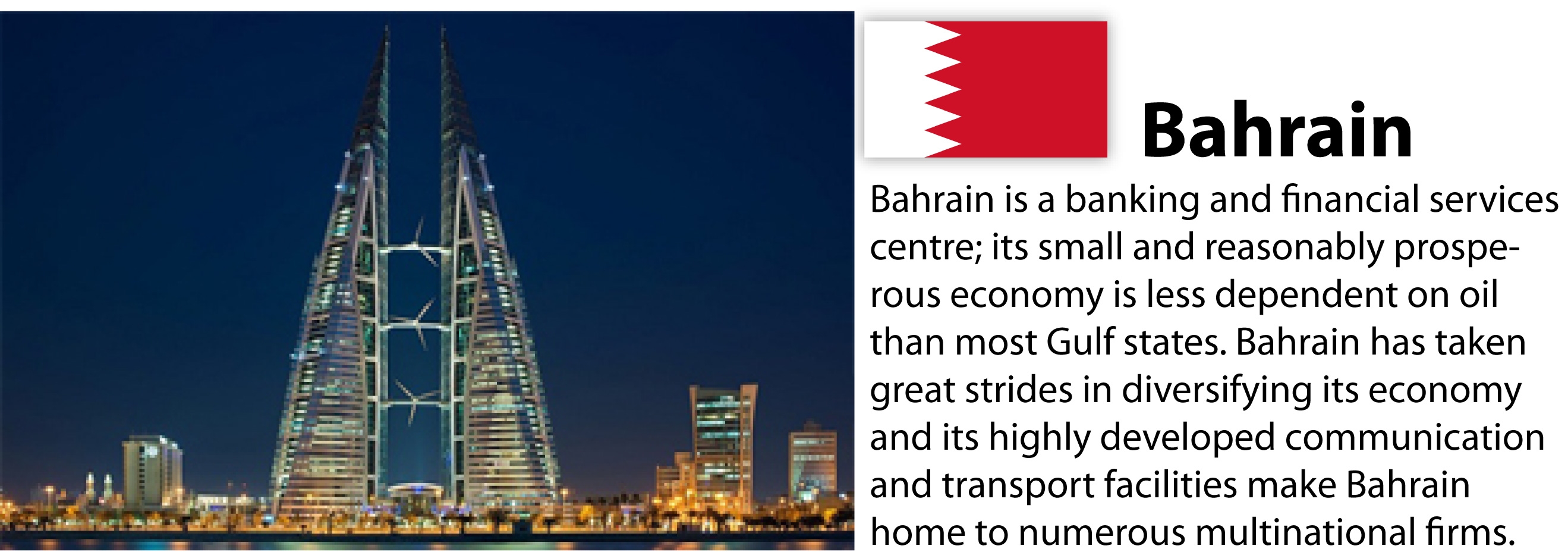
  Bahrain is a banking and financial services centre; its small and reasonably prosperous economy is less dependent on oil than most Gulf states. Bahrain has taken great strides in diversifying its economy and its highly developed communication and transport facilities make Bahrain home to numerous multinational firms with business in the Gulf. Bahrain's economy, however, continues to depend heavily on oil. Petroleum production and refining account for more than 60% of Bahrain's export receipts, 70% of government revenues, and 11% of GDP. Other major economic activities are production of aluminum - Bahrain's second biggest export after oil - finance, and construction. Bahrain competes with Malaysia as a worldwide center for Islamic banking and continues to seek new natural gas supplies as feedstock to support its expanding petrochemical and aluminum industries. The country’s limited oil reserves, which are expected to last only another 10 to 15 years, have led Bahrain to already make significant progress on developing the non-oil sector. Other major segments of Bahrain's economy are the financial and construction sectors. The financial sector contributes around 27 per cent of the kingdom’s GDP, while hydrocarbons contributes around 25 per cent. Manufacturing contributes around 13 per cent. The Kingdom is the main banking hub for the Gulf and a centre for Islamic finance with a total size of $800 billion, which has been attracted by the strong regulatory framework for the industry.   Essential Information Area: 695.25 sq kmPopulation: 1.3 millionCapital: Manama Principal Towns: Muharraq, Jidhafs, Isa Town, Awali, Hidd, Rifaa.Area: 695.25 sq kmPopulation:1.3 millionCapital: ManamaPrincipal Towns: Muharraq, Jidhafs, Isa Town, Awali, Hidd, Rifaa.Languages: Arabic is the official language. English is used widely in business circles.Gross Domestic Product (official exchange rate): $26,5 billion (2012 est)GDP per capita: $20,385 (2012 est.)International Reserves: $5.0 billion (2012 est.)Climate: Tropical Gulf climate with hot summers, mild winters and high year-round humidity. The annual average rainfall is only some 70 mm.Currency: 2.64 US Dollar (USD) = nearly 0.377 Bahraini Dinar (BHD)           Visa Requirements: No visa is required for GCC and British nationals. Other travellers must obtain entry visas in countries where there is a Bahraini consulate, these can then be extended locally. Travellers with an onward reservation may obtain a 72-hour transit visa at the point of entry. Bahrain National Day 16 December Current local time  Weather Bahrain Diplomatic representation in Switzerland  

Comoros

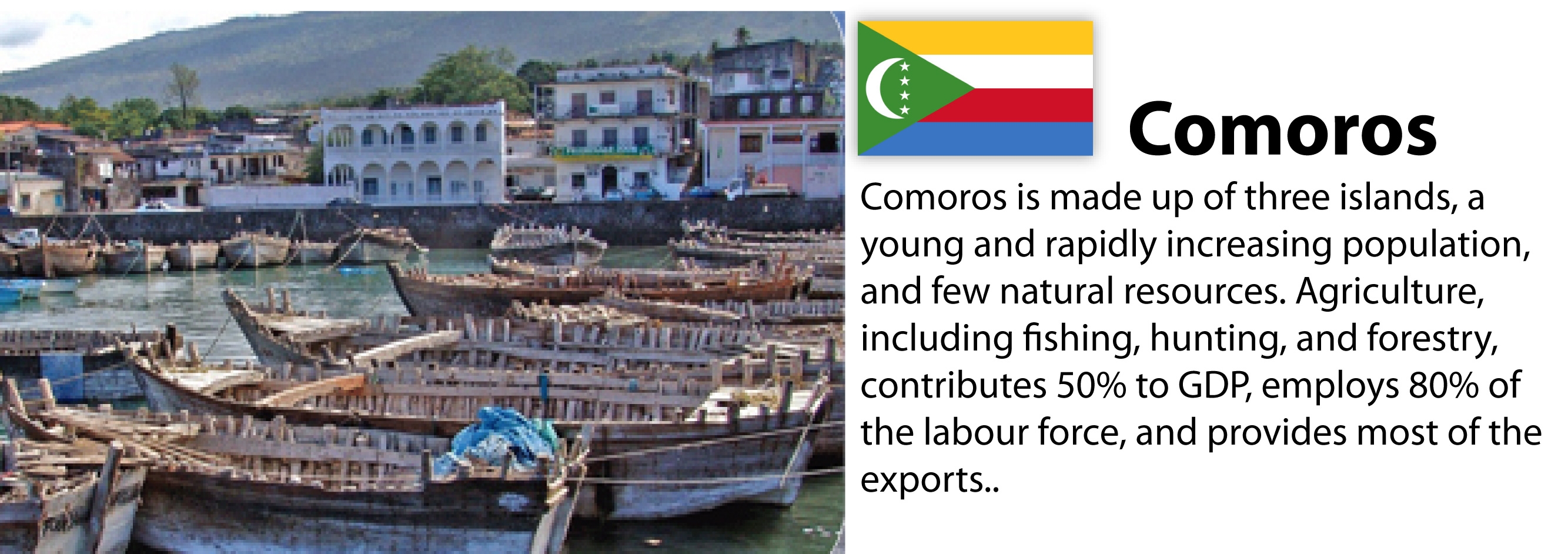
  Comoros is made up of three islands that have inadequate transportation links, a young and rapidly increasing population, and few natural resources. The low educational level of the labour force contributes to a subsistence level of economic activity, high unemployment, and a heavy dependence on foreign grants and technical assistance. Agriculture, including fishing, hunting, and forestry, contributes 50% to GDP, employs 80% of the labour force, and provides most of the exports. Export income is heavily reliant on the three main crops of vanilla, cloves, and ylang-ylang; and Comoros' export earnings are easily disrupted by disasters such as fires. The country is not self-sufficient in food production; rice, the main staple, accounts for the bulk of imports. The government is struggling to upgrade education and technical training, privatize commercial and industrial enterprises, improve health services, diversify exports and promote tourism. Remittances from 150,000 Comorans abroad help supplement GDP.  The international donor community currently plays a modest role in the country’s development. According to the OECD statistics, Comoros received approximately US$25 million in development assistance in 2005. France was by far the largest donor contributing almost $17 million followed by UN agencies (including the World Bank) with over $7 million and the EC with over $4 million. Further, the economy is also significantly dependent upon remittances from the estimated 150,000-strong Comorian Diaspora in France and elsewhere. Economic development in the past two decades has been hindered by a combination of recurrent political crises, macro-economic imbalances, and external shocks. A gradual recovery of the economy is observed since 2008. Real GDP is driven by agriculture and services increased by 0.6% in 2008, 1.1% in 2009 and 2.1% in 2010.   Essential Information      Area: 2,170 sq kmPopulation:795,000 (July 2011 est.) Capital:MoroniPrincipal Towns:Fomboni, Moutsamoudou, DomoniLanguages: Arabic and French are the official languages while Comoran, a blend of Swahili and Arabic, is also spoken. Gross Domestic Product (purchasing power parity):$872 million (2012 est.) Gross Domestic Product (official exchange rate):$595 million (2012 est.) GDP per capita: $1,300 (2012 est.) Reserves: 6.2 months of imports of goods and services (2009 est.)Climate: The coast has a moderate climate with temperatures ranging from 13 to 32°C. The summer months of June to September can be hot and humid with daytime temperatures registering between 27 and 32°C; these can be exceeded, for brief periods, when the hot, dry sirocco wind blows from the south. The Sahara desert is hot and arid with daytime temperatures reaching 43°C while night temperatures fall to 10°C or less. Currency: Comoros Franc (KMF) = nearly 0.00281 US Dollar (USD) Visa Requirements: A valid passport and onward/return ticket are required. A three-week entry visa, which may be extended, may be obtained from the airport on arrival. Travellers should obtain the latest details from the nearest Mission of the Federal Islamic Republic of the Comoros.   Comoros' National Day 6 July   Current local time  Weather Diplomatic representation of Comoros in Switzerland  

Djibouti

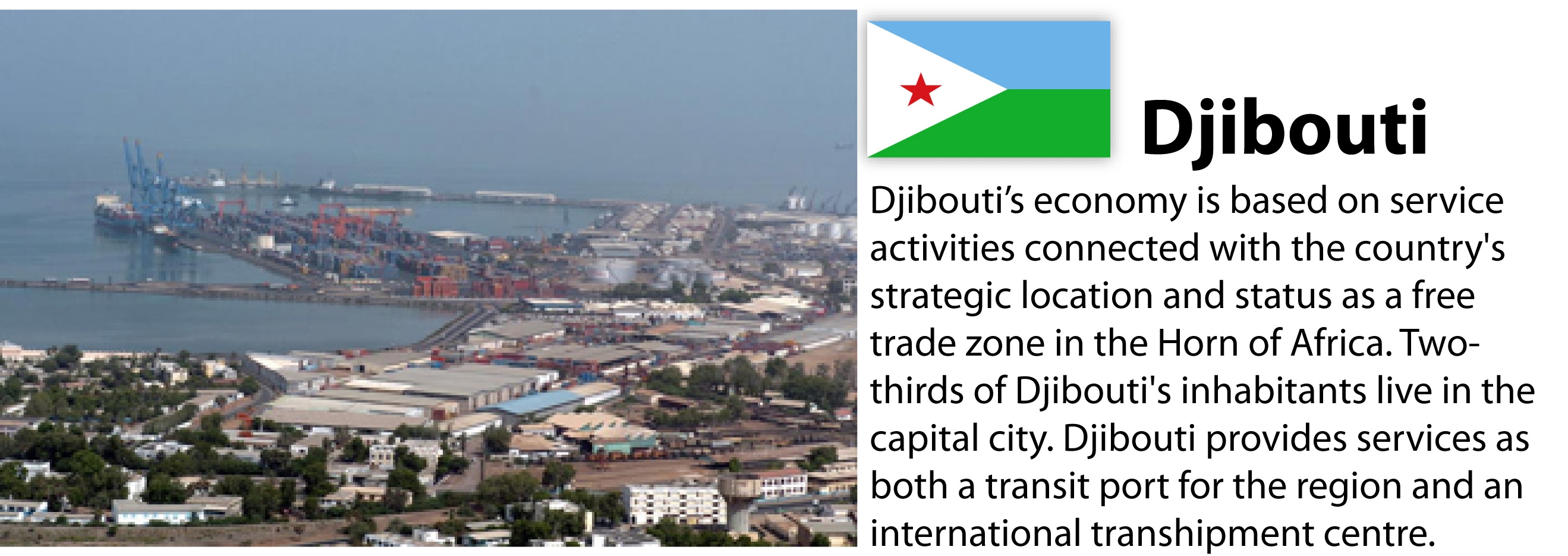
  Djibouti’s economy is based on service activities connected with the country's strategic location and status as a free trade zone in the Horn of Africa. Two-thirds of Djibouti's inhabitants live in the capital city; the remainder are mostly nomadic herders. Djibouti provides services as both a transit port for the region and an international transhipment and refuelling centre. Imports and exports from landlocked neighbour Ethiopia represent 70% of port activity at Djibouti's container terminal. Djibouti has few natural resources and little industry. The nation is, therefore, heavily dependent on foreign assistance to help support its balance of payments and to finance development projects.  The Djiboutian economy has benefited from huge investment in the transport sector namely; port investment, construction and banking sector during the last years. Foreign direct investment (FDI) as well has registered a positive evolution in the last ten years. With the aim of strengthening Djibouti's position as a hub for trade, logistics and related services, as well as a provider of financial services, several road corridors were opened or renovated in 2010. Nevertheless, the economy remains little diversified and highly dependent on port operations in the tertiary sector. This accounts for 76% of GDP, while the primary sector contributes a mere 3.9%. The country depends almost entirely on imports for its food supply. Domestic agricultural production covers only 10% of the country's food needs.  Djibouti is at the crossroads of major sea routes for trading oil and other goods, and wants to become a hub for commercial, logistical and financial services for the Gulf of Aden countries. The government has launched a 4.3 billion US dollar (USD) investment programme, and in 2012, funding was obtained to build new port facilities for salt and potassium exports.  The government is also drafting a long-term development strategy called Vision 2035, and a study is being done of which leading sectors could diversify the sources of national growth and create jobs. Essential Information     Area: 23,200 sq km Population: 792,198 (2013 est.) Capital: Djibouti Principal Towns:Dikhil, Tadjoura, Obock Languages: Arabic and French are the official languages. Afar, Amharic and Somali are also widely spoken. Gross Domestic Product: $1.4 billion (2012 est.) GDP per capita: $1,767 (2012 est.) GDP per capita (PPP): $2,700 (2012 est.) Gross Official Reserves: $0.2 billion (2012 est). Climate: Very hot and arid from April to August with average temperatures of 32°C but reaching 45°C. October through March is slightly cooler with occasional light rain. Currency: 1.00 USD ≈ 179.7 Djiboutian Franc (DJF), 1.00 DJF = 0.00556 USD. Visa requirements: Visas are required by all visitors, except French nationals, on short stay visits. Ten-day visas are available on arrival for US and EU nationals - an onward ticket is also required.    Djibouti National Day, 27 June. Current local time  Weather Diplomatic representation of Djibouti in Switzerland  

Egypt

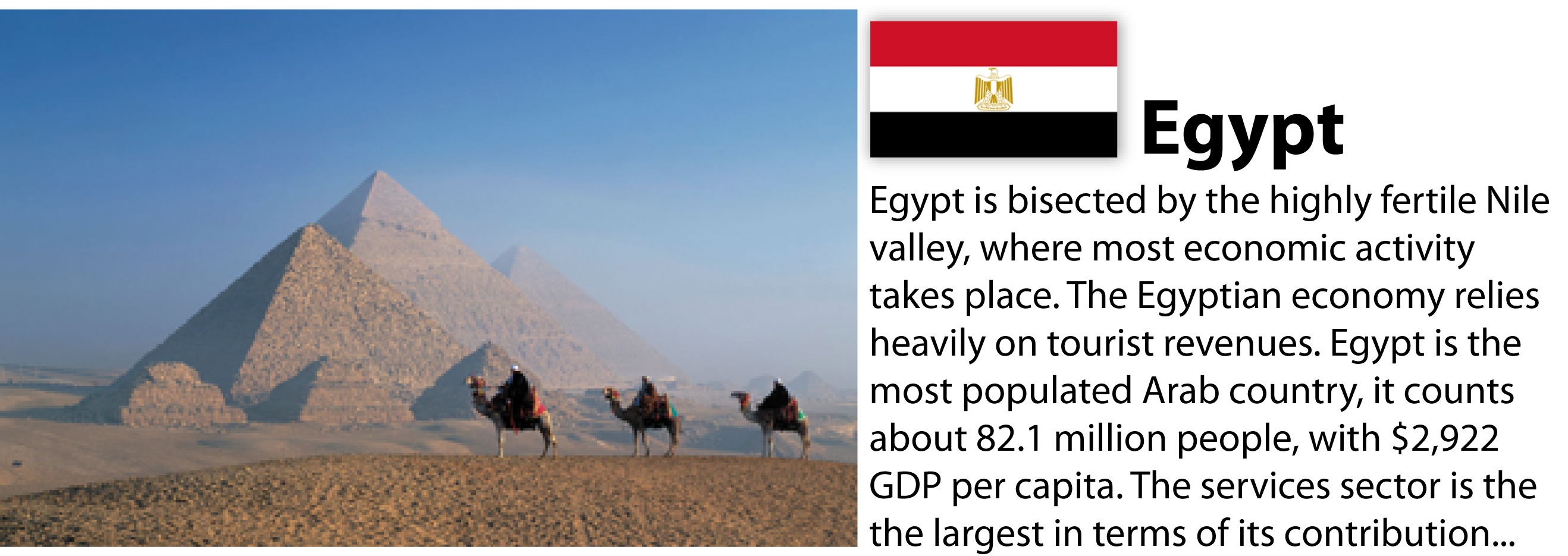
  Egypt is bisected by the highly fertile Nile valley, where most economic activity takes place. The Egyptian economy relies heavily on tourist revenues. Egypt is the most populated Arab country, it counts about 82.1 million people, with $2,922 GDP per capita. The contribution of the Egyptian economy is about 0.3% of the emerging markets index MSCI. Egyptian population is rather young. The aged 15 years or less, about 34%, and the age group of youth from 15-35 years old about 35%.  The people who represent the workforce in the category of 15-65 years old represent 62%, which requires a clear map to take advantage of the power work in economic activity. The services sector is the owner of the largest share in terms of its contribution to the GDP of the acquisition of more than 50%, while the contribution of industry and agriculture, two sectors that offers a real job opportunities, permanent and constitute a measure of value added is 37.7% and 13.1% subsequently. The rising contribution of services sector because of its education and health services, provided by public institutions. On the other hand, the tourism sector is considered historically a main source of Egypt’s national income with some 12 million tourists visiting Egypt and spending about $11 billion annually.Egypt’s economy is still suffering from a severe downturn and the government faces numerous challenges as to how to restore growth, market and investor confidence. Political and institutional uncertainty, a perception of rising insecurity and sporadic unrest continue to negatively affect economic growth. Real GDP growth slowed to just 2.2 percent year on year in October-December 2012/13 and investments declined to 13 percent of GDP in July-December 2012. The economic slowdown contributed to a rise in unemployment, which stood at 13 percent at end-December 2012, with 3.5 million people out of work. Foreign exchange reserves have continued to decline to reach about 3 months of imports. Essential Information  Area: 1,002,000 sq kmPopulation: 85,3 Million (2012 est.) Capital: CairoPrincipal Towns: Alexandria, Tanta, Damietta, Suez, Port Said.Languages: Arabic is the official language; French and English are both widely used, particularly in business circles. Gross Domestic Product: $255billion (2012 est.)GDP per capita: $2,989International Reserves: $15.72 billion Climate: Generally warm and dry from November to March although day temperatures can rise to over 38°C. April to October can see periods of intense heat in Cairo and Upper Egypt. Rainfall is limited to the northern, coastal region. A hot and dusty desert wind, the Khamaseen, blows in April/May and August/September.Currency: 1$ ≈ 6.8 Egyptian Pound (EGP) DEMOGRAPHYAge Distribution (2012 est.) 0-14 years: 32.5% 15-24 years: 18.2% 25-54 years: 38.1% 55-64 years: 6.5% 65 years and over: 4.7%  Population Growth 1.92% (2012 est.) Education71.4% of the total population age 15 and over can read and write  NATURAL RESOURCESFossil FuelPetroleum, natural gas MineralsIron ore, phosphates, manganese, limestone, gypsum, talc, asbestos, lead, zinc  Hydro-electricAssuan and Nasser Dams Visa: All visitors must be in possession of a valid passport and a visa. Travellers should ensure that their passports extend for three months from the date of the visa being issued. Where this date may be exceeded intending visitors are advised to renew their passports beforehand as persons found with non-registered passports can be liable to a £E 20 fine. One-month tourist and seven-day transit visas are available at Egyptian ports, airports and frontier posts; even so it is preferable to obtain visas before travelling.  National Day 23 July. Current local time  Weather Diplomatic representation of Egypt in Switzerland

Doing business

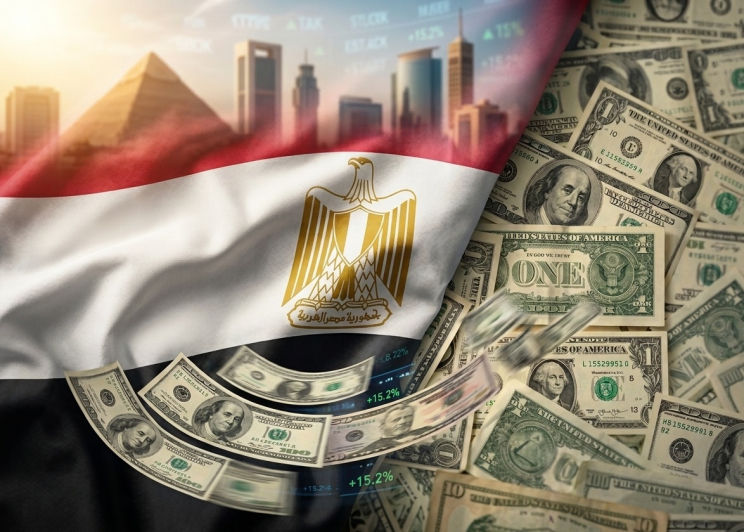
Egypt Accelerates Investment Reforms and Prepares New State-Owned Company Listings

Egypt’s Minister of Investment and Foreign Trade, Mohamed Farid Saleh, announced that the government plans to intensify efforts to improve the business environment and reduce bureaucratic obstacles, while preparing to li…

Opinion

4th Industrial Revolution, but for whom?

  By Ayman Abualkhair   (النسخة العربية) Nowadays, much is being said on the 4th Industrial revolution. The world has gone through three industrial revolutions during the last two centuries. The First Indus…

Finance

World Bank Group Allots US$200 Million for Road Repairs in Lebanon

  World bank   (Version Française) (النسخة العربية)    The World Bank Group has earmarked US$200 million for upgrading Lebanon’s road network, seen as a risk to public safety as well as an impediment to urban-rural …

Diplomatic corner

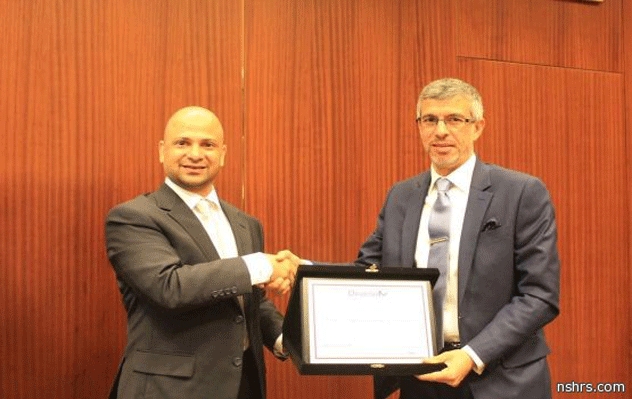
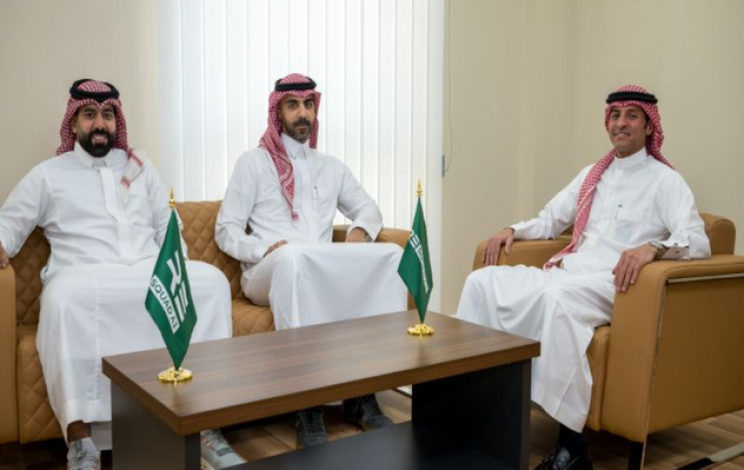
وفد دايركشن المعرفية يزور جنيف ويكرم السفير السعودي الجديد لدى منظمة التجارة العالمية الدكتور عبد العزيز بن محمد الواصل

  نقلا عن موقع "نشر"   قام وفد رحلة دايركشن المعرفية والثقافية بزيارة الى جنيف في السادس والعشرين من شهر كانون الثاني/ يناير من هذا العام حيث التقي سعادة السفير الدكتور عبد العزيز بن محمد الواصل المندوب الدائم لوفد ال…

Reports

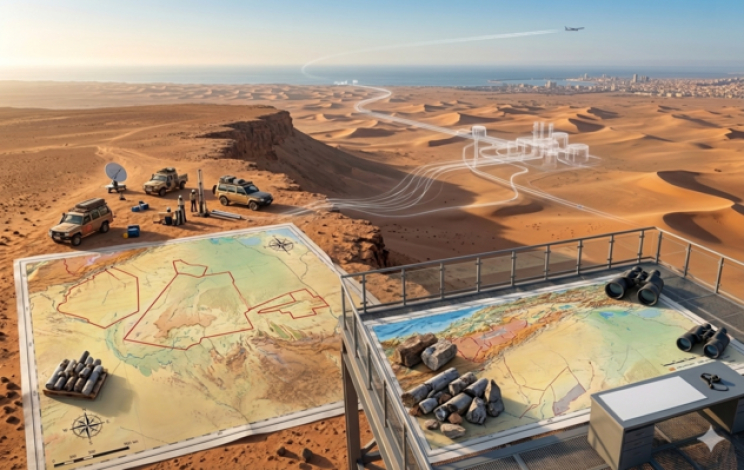
Algeria Launches 2026 Oil and Gas Bid Round to Attract New Foreign Investment

22 Apr 2026

Algeria officially launched a new licensing round for the oil and gas sector, titled "Algeria Bid Round 2026." The move aims to bolster production and attract Foreign Direct Investment (FDI) into the energy sector, the country’s primary source of foreign currency. The bid round includes seven exploration blocks stretching across fields in Ogla, Illizi, Touggourt, and El Bayadh. These areas are believed to hold significant oil and natural gas reserves, positioning them among the most prominent investment opportunities in North Africa this year. This initiative is part of a broader government strategy to revitalize the energy upstream sector and solidify Algeria’s position as a regional gas hub, particularly amid rising global demand for energy sources following the supply chain disruptions of recent years. According to the Algerian Ministry of Energy, the process will enter a technical phase in June 2026, during which project data will be opened to international firms, followed by briefing sessions and technical consultations. Final bids are expected in November 2026, with contracts slated for signing in January 2027. These will include production-sharing contracts (PSCs) or partnership agreements with the state-owned oil giant, Sonatrach. Through this round, Algeria seeks to draw new global energy players into the local market at a time when it is working to scale up production levels and improve the investment climate in a sector that serves as the backbone of the national economy. Its substantial gas reserves further cement its role as a key player in the European and Mediterranean energy markets. The move also highlights a gradual shift in Algeria’s investment policy—moving from traditional reliance on national companies toward a model more open to foreign capital. By offering flexible contractual incentives via production-sharing models, the state aims to mitigate risks for international investors and incentivize entry into high-cost exploration projects. Ultimately, the "Algeria Bid Round 2026" reflects a clear effort to reposition Algeria on the global energy investment map by linking untapped natural resources with foreign capital and technology, amidst a wide-scale reshaping of global energy supply and demand dynamics.

Egypt Ranks Third Regionally in Investment Attractiveness: Insights into Fitch’s FDI Inflows Report

A report by Fitch Ratings—reviewed by the Egyptian Cabinet’s Information and Decision Support Center (IDSC)—revealed that Egypt ranked third among 18 markets in the Middle East and North Africa (MENA) region in terms of investment openness. Globally, Egypt secured the 27th position out of 202 countries, a metric reflecting a relative improvement in its standing on the global investment map. The report indicates that this ranking reflects Egypt's capacity to attract Foreign Direct Investment (FDI) inflows, bolstered by a diversified investment landscape. Key sectors include oil and gas, automotive manufacturing, ICT, food industries, renewable energy, infrastructure, and financial services. This sectoral diversity demonstrates the breadth of the Egyptian economy and its multiple investment catalysts, moving away from reliance on a single sector or limited economic axis. Fitch attributes the improvement in investment flows to several structural factors, including economic growth, a strategic geographic location linking Asia, Africa, and Europe, low labor costs, and a wealth of human talent. This is further supported by a massive domestic market, abundant energy sources, and a tourism sector that remains a long-term draw for capital. Additionally, the report notes the increasing role of Gulf-based financing, which has become a primary source of foreign capital in Egypt in recent years. In the same vein, the report suggests that a flexible exchange rate policy, in alignment with International Monetary Fund (IMF) recommendations, is expected to support the stability of foreign currency inflows in the short and medium term by enhancing the economy’s resilience to external shocks and boosting investor confidence. Egypt aims to attract approximately $60 billion in FDI between 2026 and 2030—a target the report deems relatively achievable, given that annual inflows typically range between $9 billion and $11 billion, excluding exceptional mega-projects. The report contrasts this figure with total investment flows into the African continent, which often remain below $60 billion annually, highlighting the scale of Egyptian ambition relative to its regional context. The report also highlights Egypt's position as a premier investment destination in North Africa, with growing interest from multinational corporations in the industrial, pharmaceutical, and electronic sectors. It notes that the Egyptian government has taken significant steps in recent years to enhance the investment climate, including the implementation of the unified approval system for investment licenses, known as the "Golden License." This system allows for the establishment and operation of projects within a relatively short timeframe of approximately 20 working days, reducing administrative hurdles and accelerating investment entry. The legislative framework has been further strengthened by Investment Law No. 72 of 2017 and its subsequent amendments, which provide tax incentives and guarantees for investors, including facilitating the repatriation of profits and ensuring equality between local and foreign investors. Recent amendments under Law No. 160 of 2023 introduced further incentives, alongside efforts to improve the geographical distribution of investments across the country. Regarding future sectors, the report points to a surge in interest in renewable energy. Fitch expects Egypt to lead the region in solar and wind capacity growth, driven by reforms initiated in 2014 that allowed private sector participation in electricity production and the gradual reduction of energy subsidies. The government aims to increase the contribution of renewable energy to 42% of total electricity production by 2030, a goal currently being met ahead of schedule. The report also sheds light on the expansion of investments in coastal development and tourism, particularly in the North Coast region, alongside the continued importance of the real estate sector, which contributes roughly 20% of GDP, reflecting its deep integration into the macroeconomy. Fitch confirms that Egypt possesses the largest stock of FDI in North Africa. The United Arab Emirates emerged as the largest investor in the country during 2024 and 2025, followed by the United States, the United Kingdom, Italy, Saudi Arabia, and Kuwait, reflecting a diversified base of foreign capital sources. In summary, the report presents a dual image of Egypt as an investment hub: on one hand, there is clear progress in the legislative framework, attractive sectors, and capital flows. On the other hand, actual performance remains tied to the economy's ability to translate these structural advantages into sustainable, long-term inflows within a highly volatile regional and international environment.

Saudi Arabia and Switzerland: A Strategic Partnership from Historical Roots to the Horizons of Vision 2030

The bilateral relationship between the Kingdom of Saudi Arabia and the Swiss Confederation represents a continually evolving partnership. Grounded in a long history of mutual understanding, it has now entered a new phase characterized by strategic depth, particularly in light of the ambitious Saudi Vision 2030. While Switzerland is a global hub for innovation, finance, and technological expertise, Saudi Arabia stands as the region's largest economy and a gateway for monumental developmental transformation. This confluence of interests creates a vital intersection for collaboration in the fields of entrepreneurship, sustainability, and technology. Historical Foundations of Diplomatic Relations The institutional connection between the two countries dates back many decades, with Switzerland recognizing the newly established Kingdom of Saudi Arabia in 1927. However, formal diplomatic relations were only established in 1956. This relationship saw a significant economic turning point with the formation of the Saudi-Swiss Joint Economic Commission (JEC) in 1975. Since then, the JEC has served as the primary platform for enhancing cooperation in economic, trade, investment, scientific, and technical domains. The relationship has been strengthened by high-level reciprocal visits, underscoring Switzerland's role as a trusted partner, even playing a crucial diplomatic role in representing Saudi and Iranian interests in 2017. Analysis of Economic Relations and Investment Opportunities The Kingdom of Saudi Arabia is currently ranked as Switzerland's second most important trading partner in the Middle East (after the UAE). The total trade volume between them amounts to approximately CHF 6.8 billion (including gold), with Swiss exports accounting for over CHF 6 billion of this figure. Furthermore, the cumulative investment of Swiss companies in Saudi Arabia reached about CHF 1.41 billion by the end of 2022. While this economic volume is an indicator of mutual trust, the biggest driver for future growth is Vision 2030. This unprecedented economic shift has offered vast opportunities for numerous Swiss companies to participate in "Giga-projects" such as NEOM, Qiddiya, and the Riyadh Expo 2030. This direction was affirmed during the recent 14th Joint Economic Commission meeting, where discussions emphasized the need to finalize bilateral legal agreements, such as improving the implementation of the Free Trade Agreement between EFTA states and the GCC, and expediting the conclusion of a new Investment Protection Agreement (IPA). Partnership in Transformation Pillars: Technology, Sustainability, and Entrepreneurship The new Saudi-Swiss partnership is focused on three main pillars, as the Kingdom seeks to leverage Switzerland’s extensive expertise to accelerate its non-oil economic diversification. 1. Technology and Innovation Switzerland is a world leader in technological education and innovation, hosting institutions like the Swiss Federal Institute of Technology in Zurich (ETH Zurich), which is globally prominent in areas such as Artificial Intelligence and Robotics. This expertise aligns perfectly with Saudi Arabia's ambition to become a global technology power, especially after its leadership in global digital development indices. Technological cooperation is evident in several forms: AI and Digital Transformation: Specialized Swiss companies are seeking opportunities to integrate solutions in AI, Blockchain, and even the Metaverse into vital Saudi sectors. Digital Infrastructure: Swiss firms are participating in building the advanced digital infrastructure that supports projects like NEOM, which relies entirely on cutting-edge technologies. 2. Sustainability and CleanTech Sustainability holds paramount importance in the partnership, particularly with Saudi Arabia's adoption of ambitious climate initiatives, including the NEOM Green Hydrogen projects, set to be the world's largest of their kind. CleanTech Forum: The two nations hosted the First Saudi-Swiss CleanTech Forum in 2023, gathering Swiss SMEs that offer innovative solutions for climate change mitigation. Knowledge Transfer: Saudi Arabia benefits from the "bottom-up" Swiss approach to innovation, which focuses on funding basic research in universities and supporting start-ups in renewable energy and environmental solutions. 3. Entrepreneurship and Business Localization The Kingdom views the private sector, including Swiss companies, as an essential engine for achieving development goals, specifically in job creation and economic diversification. Figures indicate that Saudis hold a positive perception regarding the availability of entrepreneurial opportunities and the necessary skills to launch a business. The Localization Challenge: As the market grows more attractive, Saudi Arabia has introduced new policies to ensure value localization.The most prominent is the Regional Headquarters (RHQ) program, which requires foreign companies to move their regional headquarters to the Kingdom to secure government contracts. Additionally, the Economic Participation Policy (EPP) has been adopted, mandating a local economic participation of at least 35% in certain public procurement contracts. Swiss Response: Despite the complexity of these rules, about ten Swiss companies have already responded by relocating their regional headquarters to the Kingdom.This reflects the strategic importance they attach to the opportunities in the Saudi market. Furthermore, cooperation in the hospitality and tourism sector through partnerships for qualifying Saudi tourism competencies is evidence of Swiss expertise penetrating new sectors. Future Outlook and Strategic Trajectory The relationship between Saudi Arabia and Switzerland is currently at its strongest point, having evolved from a traditional trade partnership into a strategic alliance aimed at building the future. Vision 2030 serves as the driving force connecting the robustness of the Swiss economy with Saudi Arabia's ambitious push for diversification. While the Kingdom imposes regulatory challenges (such as RHQ and EPP) to ensure value localization, the fields of CleanTech, Artificial Intelligence, and entrepreneurship remain ideal areas for deepening this cooperation, establishing it as a model for partnership between a developed European economy and an ascending regional power.

UAE's Reno, a Home Renovation Tech Platform, Secures $4 Million to Fuel GCC Expansion

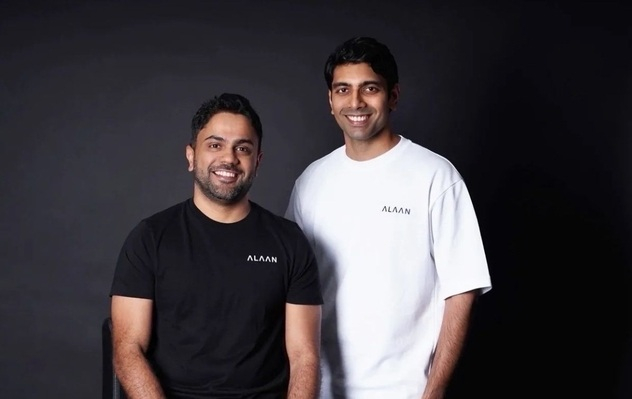
Reno, a technology platform based in the UAE specializing in home renovation and interior design, has successfully closed a $4 million funding round, comprised of a mix of equity and debt. The funding is specifically aimed at building the region's first end-to-end operating system for renovation processes. The round was led by prominent investors, including Sanabil 500, Hub71, Plus VC, Zero 100 VC, FlyerOne Ventures, Sandstorm VC, AngelSpark, and the Swiss Founders Fund. Leading Home Renovation with AI Technology Founded in 2024 by Marc Michel, Amr Hosny, and Farah Karabeg, Reno positions itself as a comprehensive, all-in-one platform for interior design and renovation across residential and commercial projects. The current funding will support the launch of Reno’s new app in early 2026, which is set to introduce innovative features, including: Real-time AI-powered design. Instant budget estimates. An Intelligent Materials Engine, providing customers with complete clarity from the very start of their renovation journey. A Comprehensive and Transparent Business Model Unlike traditional renovation services, Reno integrates all stages of the renovation process into a single platform, covering design, project management, contractor oversight, and financing options. One of its signature offerings is the "Renovate Now, Pay Later (RNPL)" financing option. This model provides a transparent, structured, and fully supervised renovation experience, giving homeowners and property investors unmatched control and visibility through AI-driven workflows and transparent, milestone-based processes. Control and Growth for Investors: Ibrahim Shami, CEO and Co-founder of Seraya (one of the fastest-growing short-term rental operators in the UAE), leveraged the RNPL financing options to renovate multiple units without paying upfront. Reno's support helped him double his portfolio's renovation pace from two to four apartments per month, effectively turning a renovation "bottleneck into an opportunity to expand faster and smarter." Reducing Stress for Families: For a customer like Camillo Schobesberger, a busy professional, the platform-driven approach transformed his renovation into a smooth, structured experience thanks to daily updates, clear budget oversight, and milestone-linked payments. He noted that the platform "made the renovation journey smooth for my family, minimising disruption," and the carefully managed upgrades "increased my property value by nearly 40%." Expansion Outlook Marc Michel, Co-founder and CEO of Reno, stated: "Our goal is to make home renovations as seamless and transparent as possible." With the new $4 million funding, Reno plans to expand its geographical footprint across the GCC region, scale its technology capabilities, and continue to refine the renovation experience. By leveraging innovation and data-driven workflows, Reno is redefining how renovations are managed, helping clients save time, reduce stress, and maximize their property value.

TERN Group Raises $24 Million to Expand Partnerships Across Europe and the Gulf

TERN Group, an AI-powered global workforce-mobility platform for healthcare professionals headquartered between the UK and the UAE, has secured $24 million in a Series A funding round, bringing its total capital raised to $33 million. The round was led by Notion Capital (UK) with participation from EQ2 Ventures (UAE), RTP Global, LocalGlobe, Leo Capital, Presight Capital, and investor Tom Stafford, co-founder of DST Global. Founded in 2023 by Avinav Nigam and Krishna Ramkumar, TERN trains, certifies, and places healthcare professionals from 13 countries, cutting international hiring timelines from 6–12 months to under 10 weeks. The new funds will be used to: Scale the company’s AI platform. Enhance training and compliance infrastructure. Strengthen partnerships with healthcare providers across the Gulf region while supporting growth in Europe and the UK. CEO Avinav Nigam emphasized TERN’s mission to make global healthcare hiring faster and more transparent, noting the UAE’s rapidly growing demand for skilled professionals—healthcare spending there is projected to exceed $50 billion by 2029. The platform already serves more than 650,000 healthcare professionals and over 100 healthcare organizations, offering end-to-end solutions including résumé analysis, compliance tracking, and initial interviews, with a support team that assists candidates with training, relocation, and cultural integration. Notion Capital highlighted TERN’s ability to address the global shortage of healthcare workers by combining AI-driven efficiency with strict regulatory compliance, making it a trusted partner for health systems in the UK, UAE, Germany, and beyond. With this investment, TERN Group plans to accelerate expansion in the Gulf and deepen integration with regional health systems, building a sustainable workforce infrastructure that enables hospitals and governments to meet rising healthcare demand efficiently and confidently.

About Us

Enjoy the power of entrepreneurs' platform offering comprehensive economic information on the Arab world and Switzerland, with databases on various economic issues, mainly Swiss-Arab trade statistics, a platform linking international entrepreneurs and decision makers. Become member and be part of international entrepreneurs' network, where business and pleasure meet.


Contact Us

Please contact us : 

Cogestra Laser SA

144, route du Mandement 

1242 Satigny - Geneva

Switzerland