












Featured

News

تم قبل عدة أيام اطلاق التطبيق الصيني ديب سيك المنافس لتطبيق شات جي بي تي فيما اعتبر انه زلزال كبير هز العالم، حيث اعلن الرئيس الأمريكي دونالد ترامب ان هذا يجب ان يدق ناقوس الخطر ويدفعنا الى العمل اكثر لكي نكون في المقدمة فيما يتعلق بتكنولوجيا الذكاء الاصطناعي.

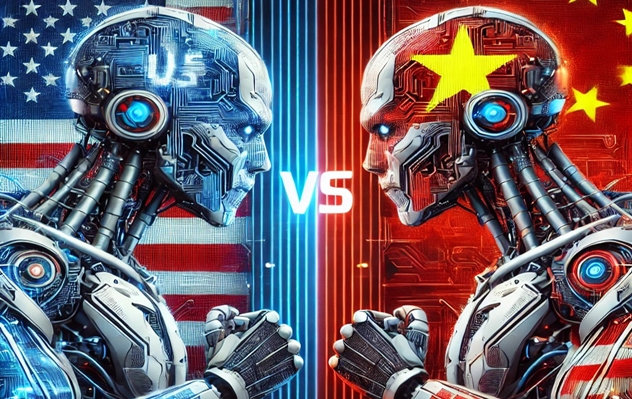
يستعرض هذا المقال أوجه المعركة بين الصين وامريكا التي تعود الى سنين طويلة وكيف استطاعت الصين من خلال استخدام نموذج اقتصادي مختلف عن الغرب والذي يتمثل باستنساخ الاختراعات الموجودة من أجل توسيع الإنتاج وتوليد تنمية اقتصادية، في حين ان النموذج الغربي يعتمد على الابداع واختراع منتجات جديدة، مما اعطى الصين ميزة قوية مكنتها من المنافسة وتطوير اقتصادها وزيادة النمو الاقتصادي بشكل كبير. يتعرض المقال الى ابرز وجوه المعركة الاقتصادية خاصة ما يتعلق بالذكاء الاصطناعي وتكنولوجيا اشباه الموصلات والتكنولوجيا الكمومية.

ان اطلاق تطبيق ديب سيك (DeepSeek) يأتي في سياق منافسة شديدة وصراع متأصل بين القوتين الاقتصاديتين الكبيرتين. وهناك العديد من المجالات الأخرى التي تشكل وجها لهذا الصراع، مثل المعركة الشرسة بين أمريكا والصين فيما يتعلق بالرقائق الخاصة بأشباه الموصلات وكذلك المعركة التي شبت ضد شركة هواوي في أمريكا والسباق المرير بين القوتين الاقتصاديتين حول التكنولوجيا الكمومية والسعي الى تعزيز قدراتهما في القطاع، حيث قامت الصين بالفعل بطوير الجيل الثالث من الكمبيوترات الكمومية واتاحتها للاستخدام العام، كما تأتي معركة الذكاء الاصطناعي على قمة الهرم في هذا الصراع مع اطلاق ديب سيك (DeepSeek) وكيف هزت الصين العالم بتطويرها هذا البرنامج بتكلفة زهيدة، وباعتماد أسلوب مبتكر للذكاء الاصطناعي يختصر الوقت والجهد. كذلك تعتبر المواجهة الشرسة بين هواوي وانفيديا (NVIDIA) احد ابرز أوجه المواجهة بين الصين وامريكا، حين قامت الولايات المتحدة بفرض عقوبات على شركة هواوي الصينية ظنا منها بانها ستتمكن من وأدها في مهدها، لكن شركة هواوي نجحت في تخطي العقبات الامريكية وتمكنت من الصمود، وتعدت هواوي سوق الاتصالات الى سوق السيارات الكهربائية، حيث تخطط هواوي لاكتساح سوق صناعة السيارات الكهربائية العالمي.

ديب سيك: الزلزال التكنولوجي الذي هز العالم

في 20 يناير 2025، أطلقت شركة صينية ناشئة تُدعى ديب سيك (DeepSeek) نموذجها الجديد DeepSeek R1، وهو نموذج ذكاء اصطناعي مفتوح المصدر أثار دهشة العالم بأسره، ليس فقط بسبب قدرته على منافسة أقوى النماذج الأمريكية، بل أيضًا بسبب تكلفته المنخفضة (حوالي 5.6 مليون دولار) وهي أقل بحوالي عشرة أضعاف من منافسيه في الولايات المتحدة (حوالي 100 مليون دولار). لم يكن هذا مجرد إنجاز تقني، بل كان نقطة تحول رئيسية في سباق الذكاء الاصطناعي العالمي بين الصين وأمريكا.

ان اطلاق ديب سيك كان زلزالًا حقيقيًا في عالم التكنولوجيا. في غضون أيام قليلة من إطلاق DeepSeek R1، شهدت الأسواق المالية انهيارًا حادًا، حيث خسر قطاع التكنولوجيا الأمريكي والأوروبي أكثر من تريليون دولار من قيمته السوقية، وكان من بين أكبر الخاسرين شركة NVIDIA التي فقدت 589 مليار دولار في يوم واحد، وهو أكبر انخفاض في تاريخ سوق الأسهم الأمريكي.

وفي الوقت نفسه، تزامن إطلاق ديب سيك مع حدث سياسي ضخم في الولايات المتحدة: تنصيب دونالد ترامب رئيسًا جديدًا للبلاد. هذا التوقيت زاد من حساسية القضية، حيث صرح ترامب في أول تعليق له أن هذا التطور "يجب أن يدق ناقوس الخطر" ويحفز الولايات المتحدة على مضاعفة جهودها في تطوير تقنيات الذكاء الاصطناعي لضمان بقائها في المقدمة.

من هو العقل المدبر وراء ديب سيك؟

وراء هذا النجاح المدوي، يقف شاب صيني يُدعى ليانغ وينفينغ، وهو عبقري رياضيات نشأ في مدينة صغيرة وفقيرة في الصين. منذ صغره، كان مهووسًا بتحليل البيانات الرياضية، وبحلول عام 2015، أطلق صندوق استثماري يعتمد على الذكاء الاصطناعي في تحليل الأسواق المالية. في عام 2019، بدأ ليانغ في شراء الآلاف من وحدات معالجة الرسوميات (GPUs) من شركة NVIDIA، رغم أن الكثيرين لم يفهموا سبب ذلك في ذلك الوقت. لكن بعد ثلاث سنوات، عندما أطلقت OpenAI نموذج ChatGPT، أصبح واضحًا أن ليانغ كان يُحضّر لإنشاء كيان صيني قادر على منافسة عمالقة الذكاء الاصطناعي في أمريكا.

نظريات المؤامرة: هل ديب سيك خدعة صينية؟

مع النجاح المذهل الذي حققه ديب سيك، انطلقت نظريات المؤامرة بسرعة. من أبرز الشخصيات التي تبنّت هذه الأفكار كان نيل كوسلا، الرئيس التنفيذي لإحدى شركات الذكاء الاصطناعي في وادي السيليكون، الذي كتب على منصة "إكس" قائلاً:

"ما فعله الصينيون هو خدعة اقتصادية ونفسية كبرى تهدف إلى تدمير قطاع الذكاء الاصطناعي الأمريكي وإفلاسه... إنهم يزعمون أن تكلفتهم منخفضة جدًا فقط لكي يُجبروا الشركات الأمريكية على تقديم خدمات مجانية، مما يجعل من المستحيل عليها المنافسة!"

هذا الطرح وجد صدى واسعًا بين المستثمرين الأمريكيين، خاصة بعد السقوط المدوي لسوق الأسهم، مما دفع البعض إلى التساؤل: هل تمتلك الصين خطة ممنهجة للاستيلاء على سوق الذكاء الاصطناعي؟

لماذا يمثل ديب سيك تهديدًا للولايات المتحدة؟

لكن بالرغم من كل الآراء والتكهنات، الا أن هذه الضربة النوعية التي وجهتها الصين الى سوق الذكاء الاصطناعي أدت الى صدمة حقيقية لم تكن فقط في أداء DeepSeek R1، بل في الاستراتيجية الذكية التي استخدمتها الشركة للتفوق على الشركات الأمريكية مثل OpenAI و غوغل (Google)، فيما يلي بعض العوامل التي جعلت ديب سيك تشكل تهديدًا حقيقيًا للولايات المتحدة:

  1. 1. كفاءة أعلى بتكلفة أقل

في الوقت الذي أنفقت فيه OpenAI أكثر من 100 مليون دولار على تدريب برنامجها للذكاء الاصطناعي GPT-4، تمكنت ديب سيك من تدريب نموذجها بـ 5.6 مليون دولار فقط، بفضل تقنيات متقدمة مثل Mixture of Experts، والتي تعمل على توزيع مهام المعالجة بين عدة نماذج فرعية متخصصة في الوقت الذي يعتمد فيه برنامج الذكاء الاصطناعي الأمريكي على نموذج الموسوعة بحيث يتم البحث في كافة محتويات المكتبة المتوفرة.

  1. تجاوز القيود الأمريكية
    رغم العقوبات الأمريكية التي تحد من حصول الصين على شرائح متقدمة، استطاعت ديب سيك استغلال ثغرات في القوانين لشراء وحدات معالجة متطورة من NVIDIA قبل تشديد القيود في عام 2023 وهوما مكنها من تطوير نموذج الذكاء الاصطناعي الخاص بها.
  1. الاعتماد على المواهب الصينية

لم تلجأ ديب سيك إلى توظيف خبراء أمريكيين، بل اعتمدت على مواهب صينية محلية، مما يعكس التحول الذي طرأ على سوق الذكاء الاصطناعي، حيث أصبحت الصين تمتلك ما يقارب 50% من أفضل الباحثين في الذكاء الاصطناعي عالميًا.

  1. 4. إمكانية الوصول المجاني
    في خطوة صادمة، جعلت ديب سيك نموذجها مفتوح المصدر، مما يعني أن أي شخص في العالم يمكنه استخدامه أو تطويره مجانًا، مما يزيد من انتشاره وتأثيره بشكل سريع.

كيف سيؤثر ذلك على مستقبل الذكاء الاصطناعي؟

لا شك أن ما فعلته ديب سيك وضع الشركات الأمريكية أمام تحدٍ غير مسبوق. في السابق، كان الاعتقاد السائد أن تطوير الذكاء الاصطناعي يتطلب استثمارات ضخمة في البنية التحتية الحاسوبية، لكن الشركة الصينية أثبتت أن بالإمكان تحقيق نتائج مذهلة بموارد أقل، إذا تم استخدام التقنيات الصحيحة، وفي الوقت الذي كانت فيه الولايات المتحدة تعتقد أنها تحتكر تقنيات الذكاء الاصطناعي، تجد نفسها الآن مجبرة على إعادة التفكير في استراتيجياتها، حيث تسعى الشركات الأمريكية إلى الضغط على الحكومة لتخفيف القيود على الابتكار، وزيادة الاستثمار في البنية التحتية للذكاء الاصطناعي للحفاظ على ريادتها.

كيف نجح "ديب سيك" رغم الحصار الأمريكي؟

ان أحد أهم العوامل التي زادت من حيرة الجميع هو كيف تمكنت الصين من تدريب نموذج ذكاء اصطناعي متطور بهذا الشكل رغم الحصار الأمريكي على الشرائح الإلكترونية منذ العام 2022، حين فرضت الولايات المتحدة قيودًا صارمة على تصدير معالجات NVIDIA المتقدمة، مما جعل من شبه المستحيل على الشركات الصينية الحصول على الشرائح اللازمة لتدريب نماذج الذكاء الاصطناعي. ولكن "ديب سيك" وبالرغم من كل هذه القيود، استطاعت الهروب من هذا السجن التكنولوجي باستخدام طرق مبتكرة وغير متوقعة منها على سبيل المثال:

  1. استخدام تقنيات جديدة لتقليل استهلاك المعالجات
    بدلاً من استخدام مئات الآلاف من وحدات المعالجة المتقدمة كما هو الحال لدى الشركات الأمريكية، استطاعت "ديب سيك" تدريب نموذجها باستخدام 2048 معالجًا فقط من فئة NVIDIA H800، وهي نسخة مخفضة الأداء من معالجات H100 التي تُباع في الولايات المتحدة.
  1. الاعتماد على نموذج "Mixture of Experts"
    هذه التقنية تعتمد على تقسيم المهام بين عدة نماذج صغيرة متخصصة، مما يقلل من الحاجة إلى قوة معالجة ضخمة، ويسمح للنظام بالعمل بكفاءة عالية دون الحاجة إلى آلاف المعالجات المتقدمة.
  1. تطوير خوارزميات جديدة لتعويض نقص القدرة الحاسوبية
    استخدمت "ديب سيك" أسلوبًا يجعل الذكاء الاصطناعي يعتمد على البيانات الأكثر صلة فقط بدلاً من معالجة جميع المعلومات دفعة واحدة، مما أدى إلى توفير كبير في تكلفة التدريب.
  1. الاستفادة من المعالجات التي تم شراؤها قبل الحظر
    من المعروف أن الشركة الأم لـ"ديب سيك"، وهي صندوق التحوط High-Flyer Investment، كانت قد اشترت 100,000 معالج من فئة A100 قبل فرض الحظر الأمريكي، مما منحها ميزة استراتيجية كبيرة.


لماذا أصيب المستثمرون الأمريكيون بالذعر؟

الصدمة لم تأتِ فقط من أداء "ديب سيك"، بل من سعره المجاني ومصدره المفتوح فقد أعلنت الشركة الصينية أن DeepSeek R1 سيكون متاحًا للجميع بدون أي مقابل، على عكس ChatGPT-4 الذي يتطلب اشتراكًا شهريًا يصل إلى 200 دولار.

هذا القرار وجه ضربة قوية للنموذج الربحي لشركات الذكاء الاصطناعي الأمريكية، حيث تساءل المستثمرون: لماذا يدفع العملاء مئات الدولارات شهريًا مقابل خدمة يمكنهم الحصول عليها مجانًا من الصين؟

,إذا كانت الأرقام التي أعلنتها الشركة الصينية صحيحة، فهذا يعني أن الولايات المتحدة كانت تعيش كذبة كبرى حول تكلفة تطوير الذكاء الاصطناعي. فإذا كانت "ديب سيك" قد نجحت في تطوير نموذج يتفوق على ChatGPT بأقل من 6 ملايين دولار، فهذا يطرح تساؤلات خطيرة حول المليارات التي استثمرتها الشركات الأمريكية في تطوير نماذجها الخاصة.

رد فعل الولايات المتحدة: مشروع "Stargate AI"

بعد أيام من إطلاق "ديب سيك"، ردت الولايات المتحدة بإعلان مشروع Stargate AI، وهو مبادرة جديدة تهدف إلى استثمار 500 مليار دولار في البنية التحتية للذكاء الاصطناعي خلال السنوات الأربع القادمة. المشروع تقوده كبرى الشركات الأمريكية مثل OpenAI، Microsoft، و Oracle، ويهدف إلى تعزيز ريادة أمريكا في الذكاء الاصطناعي.

لكن السؤال المطروح الآن: هل ستكون هذه الاستثمارات كافية لمنافسة "ديب سيك"، أم أن الصين قد استولت بالفعل على الصدارة؟

تكنولوجيا اشباه الموصلات: التكنولوجيا الصينية تهز عرش وادي السيليكون

ان كانت تطوير نموذج ديب سيك للذكاء الاصطناعي يعتبر احد الأوجه المهمة للمعركة الشرسة التي تدور بين أمريكا والصين، فان السباق في تطوير تكنولوجيا اشباه الموصلات لا يقل أهمية. فعلى مدار الأشهر الماضية، وخلف الكواليس، كانت شركات التكنولوجيا الصينية تختبر معالجًا جديدًا قد يكون الضربة الأقوى لشركة إنفيديا (Nvidia) الأمريكية. هذا المعالج، الذي يُعرف باسم Ascend 910C، هو أحدث إنتاج من العملاق الصيني هواوي، وهو مصمم ليكون بديلاً قوياً لمعالجات إنفيديا المتقدمة التي مُنعت من الوصول إلى الصين بسبب العقوبات الأمريكية.

في 13 أغسطس 2024، فجّرت وول ستريت جورنال الخبر الذي قلب الموازين. ما أعلنته لم يكن مجرد تقدم تقني، بل كان دليلًا على أن الصين قد تجاوزت الحصار الأمريكي، بل وربما قد تكون على وشك تهديد سيطرة إنفيديا على سوق الذكاء الاصطناعي.

كيف هربت هواوي من الحصار الأمريكي؟

منذ عام 2019، وضعت الولايات المتحدة شركة هواوي على القائمة السوداء، مما حرمها من شراء التكنولوجيا الأمريكية، وعلى رأسها المعالجات المتطورة مثل Nvidia H100 التي تُستخدم في تدريب نماذج الذكاء الاصطناعي المتقدمة.

ولكن بدلًا من التراجع، ردت هواوي بأسلوب لافت للنظر. ففي ظل الحصار الأمريكي، لم تتوقف عن التطوير، ونجحت في تصميم وإنتاج معالج محلي جديد، هو Ascend 910C، والذي تقول هواوي إنه مكافئ لمعالج Nvidia H100 بل ويتفوق عليه في بعض الجوانب.


الخطوة التي أربكت واشنطن

ما أثار القلق في واشنطن هو أن شركات التكنولوجيا الصينية الكبرى، مثل ByteDance المالكة لـ TikTok وبايدو، وشركة الاتصالات الحكومية "تشاينا موبايل"، بدأت في شراء واختبار هذا المعالج الجديد. ليس ذلك فحسب، بل تشير التقارير إلى أن الطلب الأولي تجاوز 70,000 معالج، بقيمة تقترب من 2 مليار دولار. وإذا تمكنت هواوي من إنتاج هذه المعالجات بكميات ضخمة، فهذا يعني أن الصين لن تحتاج إلى إنفيديا بعد الآن، مما يهدد الهيمنة الأمريكية على سوق أشباه الموصلات.


كيف استطاعت الصين من تحقيق هذه القفزة في صناعة اسباه الموصلات؟

في الماضي، كان يُعتقد أن الصين لن تتمكن من اللحاق بأشباه الموصلات الأمريكية بسبب تفوق الشركات الأمريكية في تصنيع الرقاقات المتقدمة. ولكن، منذ 2023، بدأت المعادلة تتغير حيث عمدت الصين الى اتخاذ عدة خطوات لتجاوز العقبات الامريكية وذلك من خلال:


1- التحايل على العقوبات

  • منذ فرض العقوبات، بدأت هواوي في بناء سلسلة توريد خاصة بها بعيدًا عن التكنولوجيا الأمريكية.
  • استخدمت مصانع صينية محلية، مثل SMIC، لإنتاج المعالجات بعملية تصنيع 7 نانومتر، وهي قفزة نوعية بعد أن كان الحد الأقصى للصين 14 نانومتر فقط.
  • استثمرت هواوي عبر ذراعها الاستثمارية "Hubble" في شركات محلية متخصصة، مما قلل اعتمادها على التقنيات الغربية.


2- تطوير رقاقات ذكاء اصطناعي مستقلة

  • ان تطوير معالج Ascend 910C هو ليس مجرد بديل، بل قد يصبح منافسًا حقيقيًا لمعالجات Nvidia H100.
  • تعتمد الشركات الصينية الآن على معالجات هواوي في مراكز بيانات الذكاء الاصطناعي، حيث يوجد 11 مركزًا وطنيًا في الصين تستخدم معالجات Ascend.


3- خفض الطلب على إنفيديا داخل الصين

  • نظرًا للقيود المفروضة على تصدير معالجات إنفيديا إلى الصين، بدأت الشركات الصينية في تقليل الاعتماد على إنفيديا.
  • التقارير تشير إلى أن الطلب على معالجات إنفيديا ذات الأداء الضعيف H20 و L20، المصممة خصيصًا للصين، بدأ في الانخفاض بشدة، في حين أن الطلب على Ascend 910C اخذ بالارتفاع.


مقارنة بين الشركات الصينية والأمريكية

المجال

الصين

امريكا

الشركات الصينية

حصتها السوقية

الشركات الأمريكية

حصتها السوقية

الذكاء الاصطناعي

DeepSeek, Baidu

35%

OpenAI, Google, Microsoft

65%

أشباه الموصلات

SMIC, هواوي

30%

NVIDIA, Intel, AMD

70%

التكنولوجيا الكمومية

Alibaba, Huawei

40%

IBM, Google

60%

صناعة السيارات الكهربائية

BYD, هواوي

35%

Tesla, GM

65%


هل ستحتل الصين المرتبة الأولى في قطاع الذكاء الاصطناعي؟

تشير التوقعات الى انه إذا استمرت هواوي في إنتاج معالجات Ascend بكميات كبيرة، فقد يؤدي ذلك إلى انسحاب إنفيديا من السوق الصينية بشكل كامل، مما سيُحدث تغييرًا هائلًا في هيمنة الشركات الأمريكية على مجال الذكاء الاصطناعي. وقد أكّد المدير التنفيذي لإنفيديا، جنسن هوانج، أن هواوي أصبحت بالفعل منافسًا خطيرًا في مجال معالجات الذكاء الاصطناعي، محذرًا من أن الشركات الصينية قد تسرّع من إنتاج معالجاتها الخاصة لتجاوز الشركات الأمريكية.


ماذا يمكن أن تفعل أمريكا؟

بالنظر الى ما سبق، وأمام هذه الانجازات الصينية الكبيرة، تواجه الولايات المتحدة خيارين لا ثالث لهما:

1- فرض عقوبات إضافية

  • يمكن أن تحاول الولايات المتحدة تشديد العقوبات لمنع وصول أي تقنيات حديثة إلى هواوي، سواء بشكل مباشر أو غير مباشر.
  • قد تُمنع الشركات الأوروبية واليابانية من تصدير مكونات تكنولوجية إلى الصين.
  1. زيادة الاستثمار في التصنيع المحلي
  • واشنطن قد تلجأ إلى تعزيز إنتاجها المحلي للمعالجات المتقدمة لمواكبة هذا التطور.
  • قد تحاول شركات مثل إنفيديا وIntel وAMD بناء مصانع جديدة لزيادة الإنتاج المحلي وتقليل الاعتماد على الصين.


هل يمكن أن تلحق الشركات العربية بالركب؟

يطرح هذا الحدث تساؤلًا هامًا في المنطقة العربية: إذا تمكنت شركة ناشئة صينية من تحقيق هذه القفزة التكنولوجية، فلماذا لا تستطيع الشركات العربية المنافسة عالميًا؟ بشكل عام يكمن التحدي الرئيسي في غياب الاستثمار في البحث والتطوير، وهجرة العقول العربية إلى الخارج وفيما يلي بعض النقاط الهامة للرد على هذا التساؤل:

  1. الإمكانات المتاحة في العالم العربي

لا شك أن العالم العربي يمتلك موارد مالية ضخمة بفضل عائدات النفط والغاز، إلى جانب ثروة بشرية شابة ومتنامية يمكنها لعب دور كبير في التطور التكنولوجي. وتسعى العديد من الدول العربية، خاصة في الخليج العربي، لتوسيع استثماراتها في الذكاء الاصطناعي والتكنولوجيا المتقدمة، ولكن بالرغم من ذلك، لا تزال هناك فجوة كبيرة بين الإمكانات المتاحة والواقع الفعلي.

  1. التحديات التي تواجه الشركات العربية

على الرغم من القدرات المالية والبشرية، هناك العديد من العوامل التي تعيق تقدم الشركات العربية في مجال الذكاء الاصطناعي وأشباه الموصلات، ومن أبرزها:

أ. ضعف الاستثمار في البحث والتطوير (R&D)

  • تنفق الدول العربية نسبة ضئيلة جدًا من ناتجها المحلي الإجمالي على البحث والتطوير، مقارنةً بالدول المتقدمة.
  • بينما تنفق الصين 2.4% من ناتجها المحلي الإجمالي على البحث والتطوير، وتنفق أمريكا 3.5%، فإن معظم الدول العربية لا تتجاوز انفاقها على البحث والتطوير 0.5% من ناتجها المحلي.

ب. غياب البنية التحتية التكنولوجية

  • لا توجد مراكز تصنيع متقدمة لأشباه الموصلات في العالم العربي.
  • تحتاج صناعة أشباه الموصلات إلى استثمارات ضخمة في المصانع المتخصصة، التي تكلف مليارات الدولارات.
  • بينما تمتلك الصين وكوريا الجنوبية وأمريكا مصانع متقدمة مثلTSMC وسامسونج وإنتل، لا يوجد أي مصنع عربي منافس.

ج. نقص التشريعات الداعمة للشركات الناشئة

  • تحتاج التكنولوجيا إلى نظام بيئي متكامل من الجامعات، المختبرات، وحاضنات الأعمال.
  • قوانين حقوق الملكية الفكرية ما زالت غير متطورة بما يكفي لدعم الشركات الناشئة في مجال التكنولوجيا.

د. هجرة العقول

  • بسبب قلة الفرص والتمويل، يغادر العديد من العلماء والمهندسين العرب إلى الغرب بحثًا عن بيئة أكثر دعمًا.
  • يمكن ملاحظة ذلك في وجود مئات العلماء العرب في كبرى شركات التكنولوجيا الأمريكية والصينية، دون وجود منظومة عربية تستفيد منهم.


  1. كيف يمكن للعالم العربي اللحاق بركب التكنولوجيا؟

رغم التحديات، لا تزال هناك فرص هائلة للعالم العربي للدخول في سباق الذكاء الاصطناعي وأشباه الموصلات، بشرط اتخاذ إجراءات حاسمة تشمل:

أ. زيادة الاستثمار في البحث والتطوير

  • تحتاج الدول العربية إلى رفع إنفاقها على البحث والتطوير إلى 2-3% من الناتج المحلي الإجمالي.
  • إنشاء مراكز أبحاث متخصصة في الذكاء الاصطناعي وأشباه الموصلات بالشراكة مع الجامعات العالمية.

ب. بناء مصانع إنتاج أشباه الموصلات

  • يمكن للدول العربية خاصة تلك التي يتوفر لديها موارد مالية، إنشاء مصانع لتصنيع الرقائق الإلكترونية بالتعاون مع شركات عالمية مثل TSMC أو سامسونج.
  • السعودية والإمارات بدأتا بالفعل في الاستثمار في صناعة الرقاقات الإلكترونية، لكن لا يزال هناك طريق طويل أمام الإنتاج الفعلي.

ج. تحفيز الشركات الناشئة ودعم الابتكار

  • يجب على الحكومات العربية تقديم حوافز ضريبية واستثمارية للشركات الناشئة في مجال التكنولوجيا.
  • دعم مشاريع الذكاء الاصطناعي عبر تمويل صناديق استثمارية متخصصة مثلما تفعل الصين.

د. استقطاب الكفاءات العربية المهاجرة

  • تقديم برامج تشجيعية لإعادة العلماء العرب من الخارج للعمل في مشاريع محلية.
  • إنشاء مراكز أبحاث وبرامج زمالة لجذب المواهب العربية في مجال الذكاء الاصطناعي والتكنولوجيا المتقدمة.

الخلاصة:

يبدو أن الحرب التكنولوجية بين الصين وأمريكا قد دخلت مرحلة جديدة من التصعيد. ففي الوقت الذي تسعى فيه الولايات المتحدة إلى كبح تطور الصين، فمنذ سنوات، عمدت الى إغلاق الأبواب أمام الصين لمنعها من تطوير تقنيات متقدمة. ولكن ما حدث مع شركة هواوي الصينية كان صدمة كبيرة، حيث دفعت العقوبات الشركة إلى البحث عن حلول مبتكرة، مما أدى في النهاية إلى تفوقها على ايجادها حلولا بعيدة عن التكنولوجيا الامريكية، وتمكنت الصين إلى أن تتحول الى قوة مستقلة قادرة على منافسة الشركات الأمريكية بالرغم من العقبات الكثيرة التي وضعت في طريقها. وإذا استمرت الصين في هذا المسار، فقد تكون هذه بداية لنهاية هيمنة الشركات الامريكية على قطاع الذكاء الاصطناعي.

في ظل الصراع المحتدم بين الولايات المتحدة والصين، يواجه العالم العربي تحديات كبيرة في اللحاق بركب التطور التكنولوجي، على الرغم من امتلاكه إمكانات مالية وبشرية هائلة. ومن أبرز العوائق ضعف الاستثمار في البحث والتطوير، وغياب البنية التحتية المتقدمة لصناعة أشباه الموصلات، بالإضافة إلى نقص التشريعات الداعمة للشركات الناشئة وهجرة العقول العربية إلى الخارج، حيث تحتاج الدول العربية لتجاوز هذه العقبات، إلى اتخاذ خطوات جادة تشمل زيادة الإنفاق على البحث والتطوير، وبناء مصانع لإنتاج أشباه الموصلات، وتحفيز الشركات الناشئة عبر تقديم حوافز استثمارية، فضلاً عن استقطاب الكفاءات العربية المهاجرة، مما سيسهم في تحقيق استقلاله التكنولوجي وتعزيز دوره في الاقتصاد الرقمي العالمي.
Economy

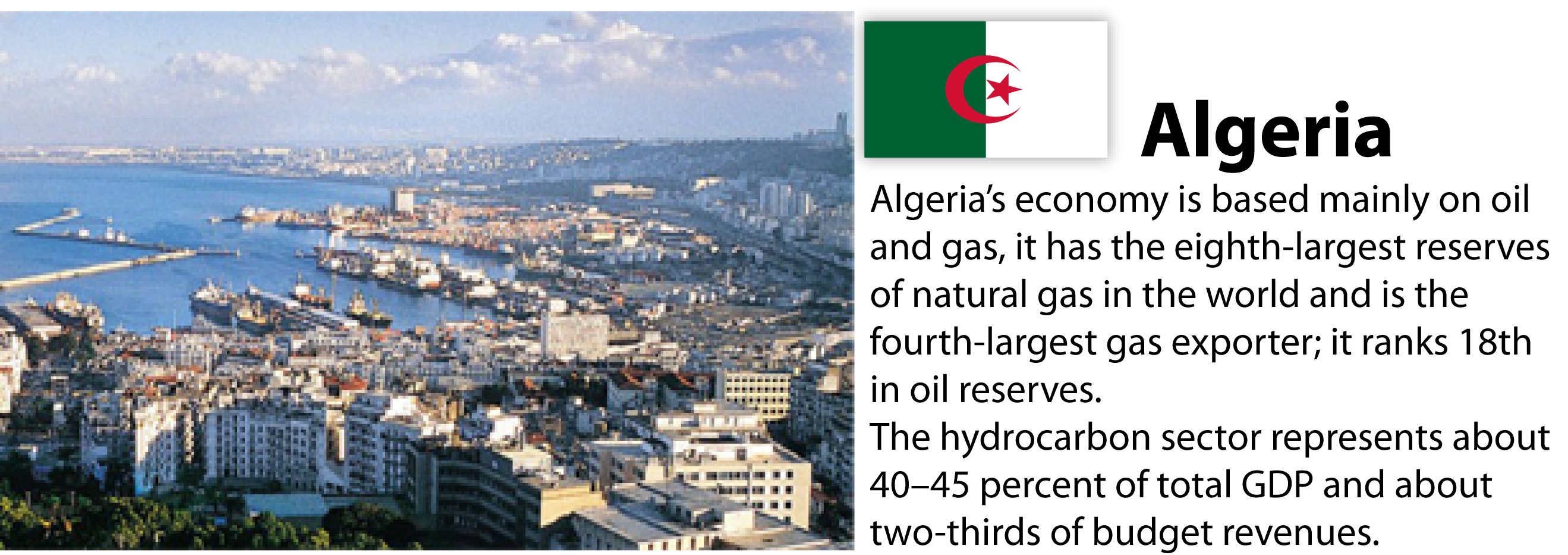
Algeria

10 Mar 2015

  Economy of Algeria Algeria’s economy is based mainly on oil and gas, it has the eighth-largest reserves of natural gas in the world and is the fourth-largest gas exporter; it ranks 18th in oil reserves. The hydrocarbon sector represents about 40–45 percent of total GDP and about two-thirds of budget revenues. Oil and gas resources account for 98 percent of the country’s exports and 70 percent of tax revenues. The chief challenges that Algeria faces in the short and medium terms are the need to diversify the economy, strengthen political and economic reform, improve the business climate, reduce regional inequalities and create jobs. Structural reform within the economy, such as development of the banking sector and the construction of infrastructure, moves ahead slowly. According to the World Bank indicator for ease of doing business in 2015, Algeria is ranked 154 out of 183 economies.   Essential Information   Area: 2,381,741 sq kmCapital: AlgiersPrincipal Towns: Oran, Constantine, Annaba, Stiff, Blida, Sidi Bel Abbes, Skikda, Batna, Tlemcen.Languages: Arabic is the official language but French is still widely used. There are Berber-speaking minorities.Climate: The coast has a moderate climate with temperatures ranging from 13 to 32°C. The summer months of June to September can be hot and humid with daytime temperatures registering between 27 and 32°C; these can be exceeded, for brief periods, when the hot, dry sirocco wind blows from the southCurrency: 1$ = 78.9 Algerian dinar (DZD). DEMOGRAPHY 39,5 (Million 2015 est.) (source: IMF) 0-14 years: 28.4% (male 5,641,148/female 5,378,207) 15-24 years: 17.4% (male 3,451,069/female 3,291,166) 25-54 years: 42.8% (male 8,398,770/female 8,209,634) 55-64 years: 6.2% (male 1,230,865/female 1,186,832) 65 years and over: 5.2% (male 931,769/female 1,094,262) (2014 est.) Source: CIA factbook. EducationLiteracy: definition: age 15 and over can read and write total population: 80.2% male: 87.2% female: 73.1% (2015 est.) (Source: CIA factbook). NATURAL RESOURCESpetroleum, natural gas, iron ore, phosphates, uranium, lead, zinc Fossil FuelOil - proved reserves: 12.2 billion bbl (January 2012 est.)Natural gas - proved reserves: 4.502 trillion cu m (1 January 2011 est.) MineralsIron ore, phosphates, uranium, lead, zincHydro-electric0.3% of production Visa Requirements: Nationals from the following countries do not require a visa to travel to Algeria:Libyan Arab Jamahiriya, Malaysia, Maldives, Mali, Mauritania, Morocco, Democratic Republic Sahraoui, Seychelles, Syrian Arab Republic, Tunisia, Yemen.Non-resident foreigners must change the equivalent of AD 1,000 on entering the country. WTO accession: Observer Independence Day July 5 Current local time  Weather Find the Algerian Diplomatic representation in Switzerland  

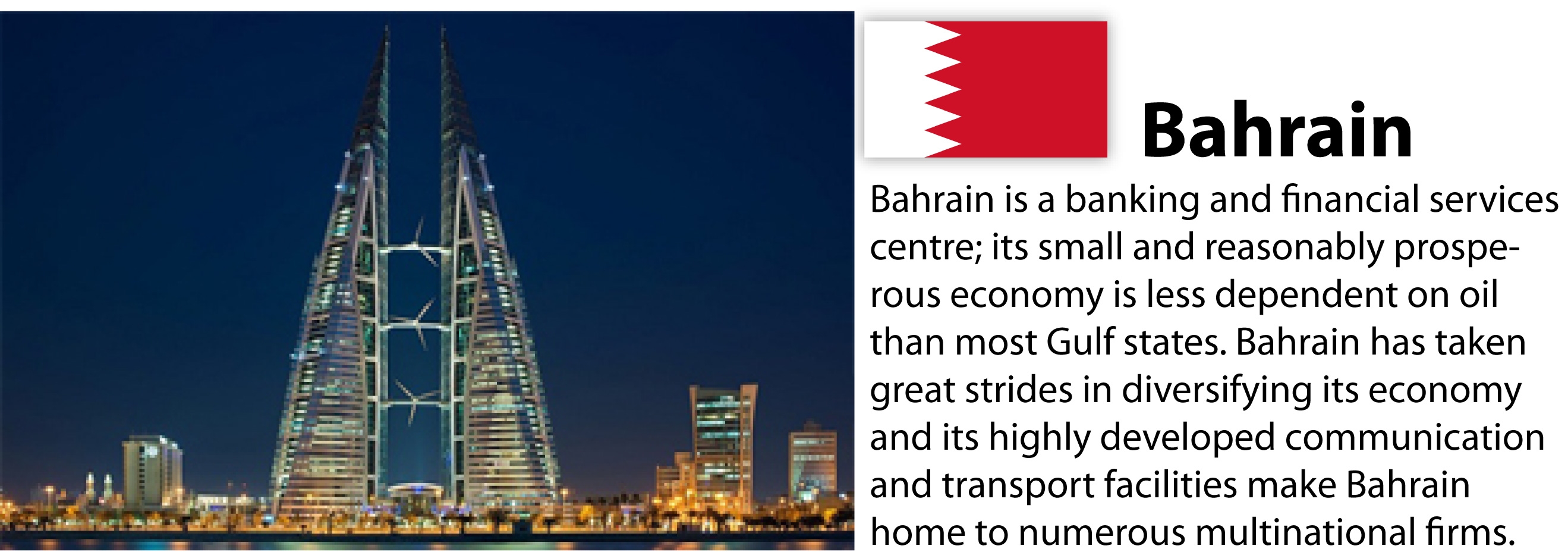
Bahrain

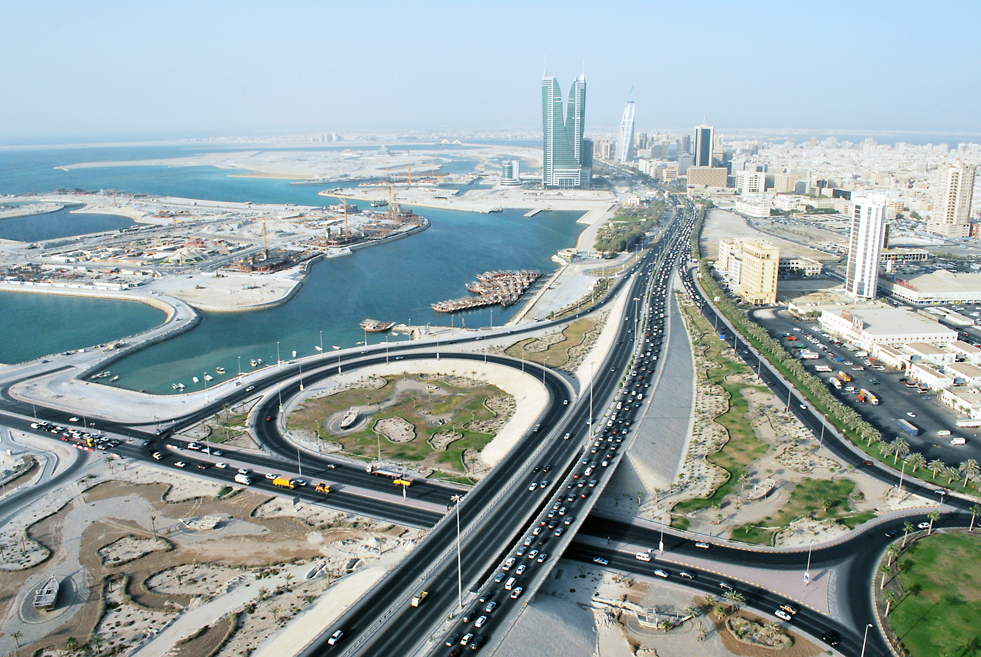
  Bahrain is a banking and financial services centre; its small and reasonably prosperous economy is less dependent on oil than most Gulf states. Bahrain has taken great strides in diversifying its economy and its highly developed communication and transport facilities make Bahrain home to numerous multinational firms with business in the Gulf. Bahrain's economy, however, continues to depend heavily on oil. Petroleum production and refining account for more than 60% of Bahrain's export receipts, 70% of government revenues, and 11% of GDP. Other major economic activities are production of aluminum - Bahrain's second biggest export after oil - finance, and construction. Bahrain competes with Malaysia as a worldwide center for Islamic banking and continues to seek new natural gas supplies as feedstock to support its expanding petrochemical and aluminum industries. The country’s limited oil reserves, which are expected to last only another 10 to 15 years, have led Bahrain to already make significant progress on developing the non-oil sector. Other major segments of Bahrain's economy are the financial and construction sectors. The financial sector contributes around 27 per cent of the kingdom’s GDP, while hydrocarbons contributes around 25 per cent. Manufacturing contributes around 13 per cent. The Kingdom is the main banking hub for the Gulf and a centre for Islamic finance with a total size of $800 billion, which has been attracted by the strong regulatory framework for the industry.   Essential Information Area: 695.25 sq kmPopulation: 1.3 millionCapital: Manama Principal Towns: Muharraq, Jidhafs, Isa Town, Awali, Hidd, Rifaa.Area: 695.25 sq kmPopulation:1.3 millionCapital: ManamaPrincipal Towns: Muharraq, Jidhafs, Isa Town, Awali, Hidd, Rifaa.Languages: Arabic is the official language. English is used widely in business circles.Gross Domestic Product (official exchange rate): $26,5 billion (2012 est)GDP per capita: $20,385 (2012 est.)International Reserves: $5.0 billion (2012 est.)Climate: Tropical Gulf climate with hot summers, mild winters and high year-round humidity. The annual average rainfall is only some 70 mm.Currency: 2.64 US Dollar (USD) = nearly 0.377 Bahraini Dinar (BHD)           Visa Requirements: No visa is required for GCC and British nationals. Other travellers must obtain entry visas in countries where there is a Bahraini consulate, these can then be extended locally. Travellers with an onward reservation may obtain a 72-hour transit visa at the point of entry. Bahrain National Day 16 December Current local time  Weather Bahrain Diplomatic representation in Switzerland  

Comoros

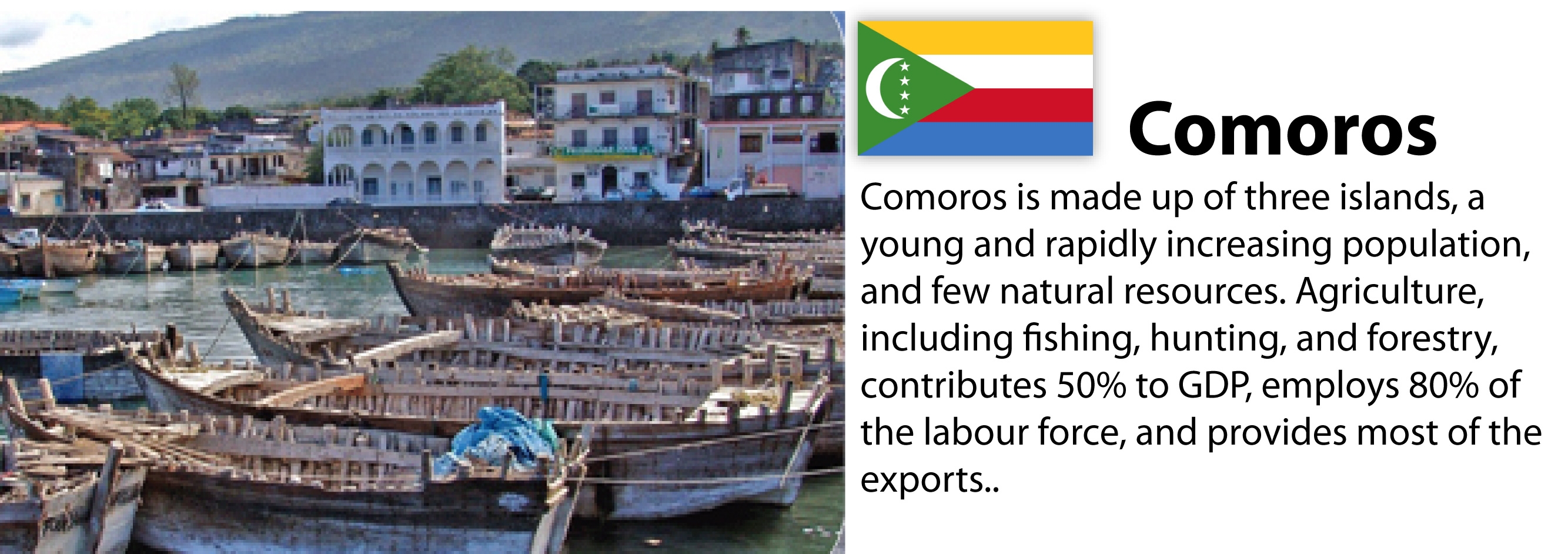
  Comoros is made up of three islands that have inadequate transportation links, a young and rapidly increasing population, and few natural resources. The low educational level of the labour force contributes to a subsistence level of economic activity, high unemployment, and a heavy dependence on foreign grants and technical assistance. Agriculture, including fishing, hunting, and forestry, contributes 50% to GDP, employs 80% of the labour force, and provides most of the exports. Export income is heavily reliant on the three main crops of vanilla, cloves, and ylang-ylang; and Comoros' export earnings are easily disrupted by disasters such as fires. The country is not self-sufficient in food production; rice, the main staple, accounts for the bulk of imports. The government is struggling to upgrade education and technical training, privatize commercial and industrial enterprises, improve health services, diversify exports and promote tourism. Remittances from 150,000 Comorans abroad help supplement GDP.  The international donor community currently plays a modest role in the country’s development. According to the OECD statistics, Comoros received approximately US$25 million in development assistance in 2005. France was by far the largest donor contributing almost $17 million followed by UN agencies (including the World Bank) with over $7 million and the EC with over $4 million. Further, the economy is also significantly dependent upon remittances from the estimated 150,000-strong Comorian Diaspora in France and elsewhere. Economic development in the past two decades has been hindered by a combination of recurrent political crises, macro-economic imbalances, and external shocks. A gradual recovery of the economy is observed since 2008. Real GDP is driven by agriculture and services increased by 0.6% in 2008, 1.1% in 2009 and 2.1% in 2010.   Essential Information      Area: 2,170 sq kmPopulation:795,000 (July 2011 est.) Capital:MoroniPrincipal Towns:Fomboni, Moutsamoudou, DomoniLanguages: Arabic and French are the official languages while Comoran, a blend of Swahili and Arabic, is also spoken. Gross Domestic Product (purchasing power parity):$872 million (2012 est.) Gross Domestic Product (official exchange rate):$595 million (2012 est.) GDP per capita: $1,300 (2012 est.) Reserves: 6.2 months of imports of goods and services (2009 est.)Climate: The coast has a moderate climate with temperatures ranging from 13 to 32°C. The summer months of June to September can be hot and humid with daytime temperatures registering between 27 and 32°C; these can be exceeded, for brief periods, when the hot, dry sirocco wind blows from the south. The Sahara desert is hot and arid with daytime temperatures reaching 43°C while night temperatures fall to 10°C or less. Currency: Comoros Franc (KMF) = nearly 0.00281 US Dollar (USD) Visa Requirements: A valid passport and onward/return ticket are required. A three-week entry visa, which may be extended, may be obtained from the airport on arrival. Travellers should obtain the latest details from the nearest Mission of the Federal Islamic Republic of the Comoros.   Comoros' National Day 6 July   Current local time  Weather Diplomatic representation of Comoros in Switzerland  

Djibouti

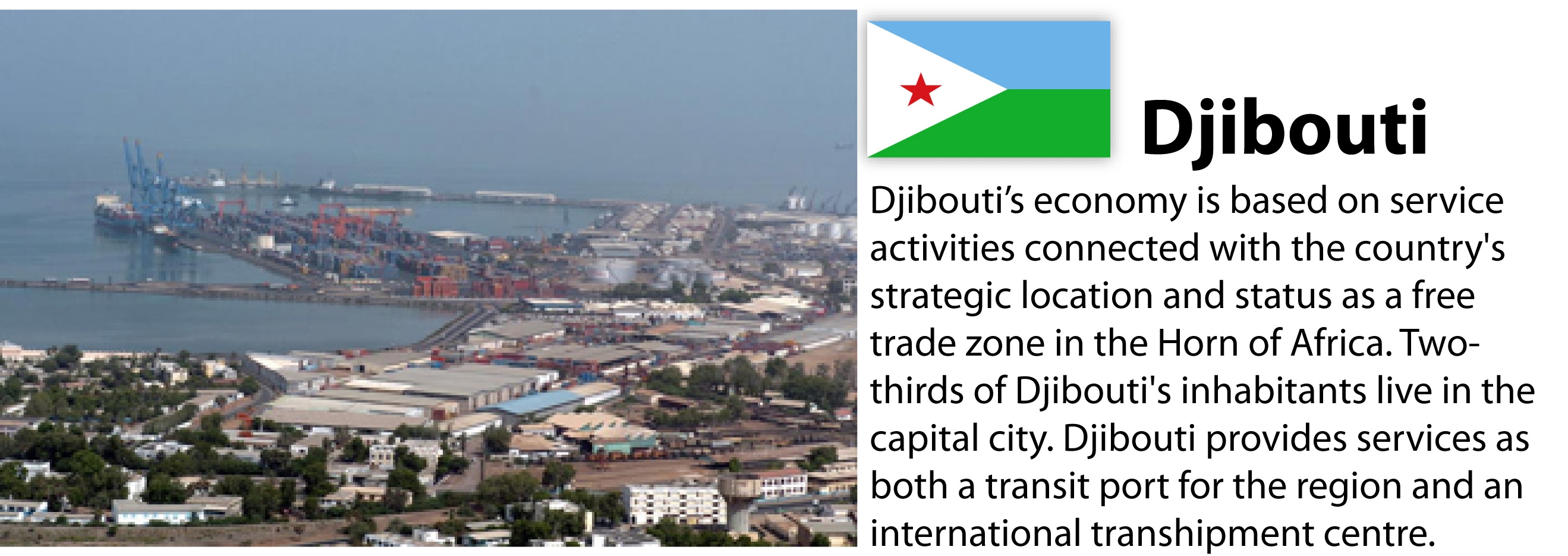
  Djibouti’s economy is based on service activities connected with the country's strategic location and status as a free trade zone in the Horn of Africa. Two-thirds of Djibouti's inhabitants live in the capital city; the remainder are mostly nomadic herders. Djibouti provides services as both a transit port for the region and an international transhipment and refuelling centre. Imports and exports from landlocked neighbour Ethiopia represent 70% of port activity at Djibouti's container terminal. Djibouti has few natural resources and little industry. The nation is, therefore, heavily dependent on foreign assistance to help support its balance of payments and to finance development projects.  The Djiboutian economy has benefited from huge investment in the transport sector namely; port investment, construction and banking sector during the last years. Foreign direct investment (FDI) as well has registered a positive evolution in the last ten years. With the aim of strengthening Djibouti's position as a hub for trade, logistics and related services, as well as a provider of financial services, several road corridors were opened or renovated in 2010. Nevertheless, the economy remains little diversified and highly dependent on port operations in the tertiary sector. This accounts for 76% of GDP, while the primary sector contributes a mere 3.9%. The country depends almost entirely on imports for its food supply. Domestic agricultural production covers only 10% of the country's food needs.  Djibouti is at the crossroads of major sea routes for trading oil and other goods, and wants to become a hub for commercial, logistical and financial services for the Gulf of Aden countries. The government has launched a 4.3 billion US dollar (USD) investment programme, and in 2012, funding was obtained to build new port facilities for salt and potassium exports.  The government is also drafting a long-term development strategy called Vision 2035, and a study is being done of which leading sectors could diversify the sources of national growth and create jobs. Essential Information     Area: 23,200 sq km Population: 792,198 (2013 est.) Capital: Djibouti Principal Towns:Dikhil, Tadjoura, Obock Languages: Arabic and French are the official languages. Afar, Amharic and Somali are also widely spoken. Gross Domestic Product: $1.4 billion (2012 est.) GDP per capita: $1,767 (2012 est.) GDP per capita (PPP): $2,700 (2012 est.) Gross Official Reserves: $0.2 billion (2012 est). Climate: Very hot and arid from April to August with average temperatures of 32°C but reaching 45°C. October through March is slightly cooler with occasional light rain. Currency: 1.00 USD ≈ 179.7 Djiboutian Franc (DJF), 1.00 DJF = 0.00556 USD. Visa requirements: Visas are required by all visitors, except French nationals, on short stay visits. Ten-day visas are available on arrival for US and EU nationals - an onward ticket is also required.    Djibouti National Day, 27 June. Current local time  Weather Diplomatic representation of Djibouti in Switzerland  

Egypt

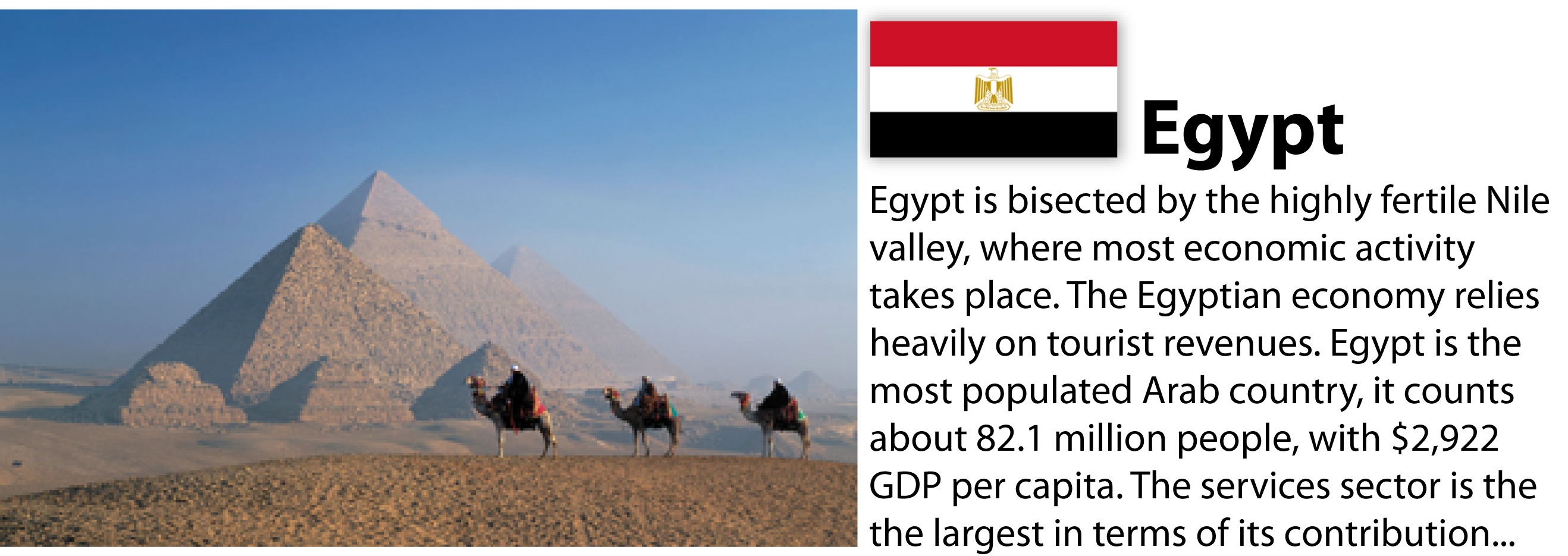
  Egypt is bisected by the highly fertile Nile valley, where most economic activity takes place. The Egyptian economy relies heavily on tourist revenues. Egypt is the most populated Arab country, it counts about 82.1 million people, with $2,922 GDP per capita. The contribution of the Egyptian economy is about 0.3% of the emerging markets index MSCI. Egyptian population is rather young. The aged 15 years or less, about 34%, and the age group of youth from 15-35 years old about 35%.  The people who represent the workforce in the category of 15-65 years old represent 62%, which requires a clear map to take advantage of the power work in economic activity. The services sector is the owner of the largest share in terms of its contribution to the GDP of the acquisition of more than 50%, while the contribution of industry and agriculture, two sectors that offers a real job opportunities, permanent and constitute a measure of value added is 37.7% and 13.1% subsequently. The rising contribution of services sector because of its education and health services, provided by public institutions. On the other hand, the tourism sector is considered historically a main source of Egypt’s national income with some 12 million tourists visiting Egypt and spending about $11 billion annually.Egypt’s economy is still suffering from a severe downturn and the government faces numerous challenges as to how to restore growth, market and investor confidence. Political and institutional uncertainty, a perception of rising insecurity and sporadic unrest continue to negatively affect economic growth. Real GDP growth slowed to just 2.2 percent year on year in October-December 2012/13 and investments declined to 13 percent of GDP in July-December 2012. The economic slowdown contributed to a rise in unemployment, which stood at 13 percent at end-December 2012, with 3.5 million people out of work. Foreign exchange reserves have continued to decline to reach about 3 months of imports. Essential Information  Area: 1,002,000 sq kmPopulation: 85,3 Million (2012 est.) Capital: CairoPrincipal Towns: Alexandria, Tanta, Damietta, Suez, Port Said.Languages: Arabic is the official language; French and English are both widely used, particularly in business circles. Gross Domestic Product: $255billion (2012 est.)GDP per capita: $2,989International Reserves: $15.72 billion Climate: Generally warm and dry from November to March although day temperatures can rise to over 38°C. April to October can see periods of intense heat in Cairo and Upper Egypt. Rainfall is limited to the northern, coastal region. A hot and dusty desert wind, the Khamaseen, blows in April/May and August/September.Currency: 1$ ≈ 6.8 Egyptian Pound (EGP) DEMOGRAPHYAge Distribution (2012 est.) 0-14 years: 32.5% 15-24 years: 18.2% 25-54 years: 38.1% 55-64 years: 6.5% 65 years and over: 4.7%  Population Growth 1.92% (2012 est.) Education71.4% of the total population age 15 and over can read and write  NATURAL RESOURCESFossil FuelPetroleum, natural gas MineralsIron ore, phosphates, manganese, limestone, gypsum, talc, asbestos, lead, zinc  Hydro-electricAssuan and Nasser Dams Visa: All visitors must be in possession of a valid passport and a visa. Travellers should ensure that their passports extend for three months from the date of the visa being issued. Where this date may be exceeded intending visitors are advised to renew their passports beforehand as persons found with non-registered passports can be liable to a £E 20 fine. One-month tourist and seven-day transit visas are available at Egyptian ports, airports and frontier posts; even so it is preferable to obtain visas before travelling.  National Day 23 July. Current local time  Weather Diplomatic representation of Egypt in Switzerland

Doing business

Egypt Accelerates Investment Reforms and Prepares New State-Owned Company Listings

Egypt’s Minister of Investment and Foreign Trade, Mohamed Farid Saleh, announced that the government plans to intensify efforts to improve the business environment and reduce bureaucratic obstacles, while preparing to li…

Opinion

4th Industrial Revolution, but for whom?

  By Ayman Abualkhair   (النسخة العربية) Nowadays, much is being said on the 4th Industrial revolution. The world has gone through three industrial revolutions during the last two centuries. The First Indus…

Finance

World Bank Group Allots US$200 Million for Road Repairs in Lebanon

  World bank   (Version Française) (النسخة العربية)    The World Bank Group has earmarked US$200 million for upgrading Lebanon’s road network, seen as a risk to public safety as well as an impediment to urban-rural …

Diplomatic corner

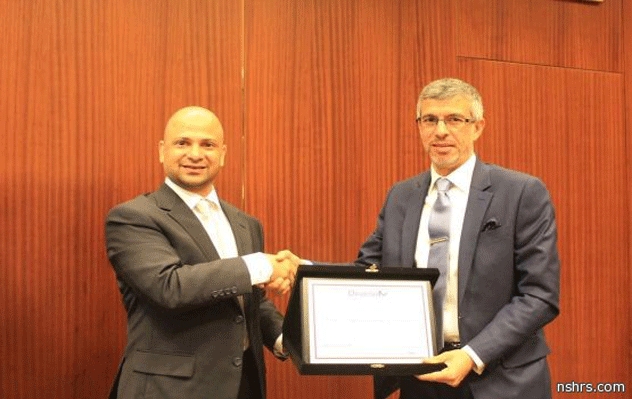
وفد دايركشن المعرفية يزور جنيف ويكرم السفير السعودي الجديد لدى منظمة التجارة العالمية الدكتور عبد العزيز بن محمد الواصل

  نقلا عن موقع "نشر"   قام وفد رحلة دايركشن المعرفية والثقافية بزيارة الى جنيف في السادس والعشرين من شهر كانون الثاني/ يناير من هذا العام حيث التقي سعادة السفير الدكتور عبد العزيز بن محمد الواصل المندوب الدائم لوفد ال…

Reports

Algeria Launches 2026 Oil and Gas Bid Round to Attract New Foreign Investment

22 Apr 2026

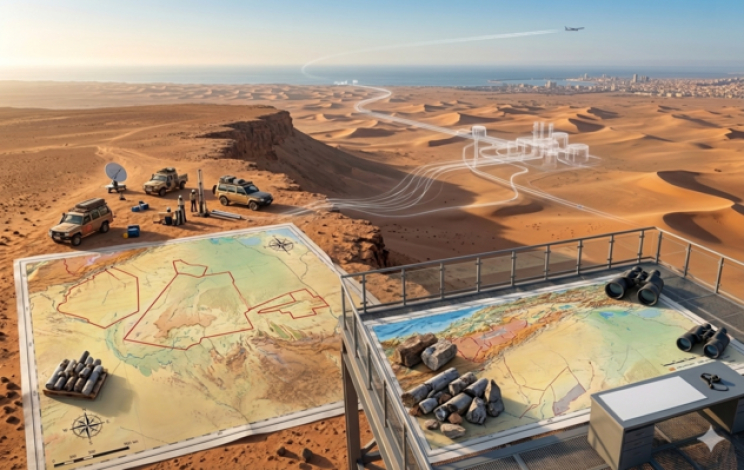
Algeria officially launched a new licensing round for the oil and gas sector, titled "Algeria Bid Round 2026." The move aims to bolster production and attract Foreign Direct Investment (FDI) into the energy sector, the country’s primary source of foreign currency. The bid round includes seven exploration blocks stretching across fields in Ogla, Illizi, Touggourt, and El Bayadh. These areas are believed to hold significant oil and natural gas reserves, positioning them among the most prominent investment opportunities in North Africa this year. This initiative is part of a broader government strategy to revitalize the energy upstream sector and solidify Algeria’s position as a regional gas hub, particularly amid rising global demand for energy sources following the supply chain disruptions of recent years. According to the Algerian Ministry of Energy, the process will enter a technical phase in June 2026, during which project data will be opened to international firms, followed by briefing sessions and technical consultations. Final bids are expected in November 2026, with contracts slated for signing in January 2027. These will include production-sharing contracts (PSCs) or partnership agreements with the state-owned oil giant, Sonatrach. Through this round, Algeria seeks to draw new global energy players into the local market at a time when it is working to scale up production levels and improve the investment climate in a sector that serves as the backbone of the national economy. Its substantial gas reserves further cement its role as a key player in the European and Mediterranean energy markets. The move also highlights a gradual shift in Algeria’s investment policy—moving from traditional reliance on national companies toward a model more open to foreign capital. By offering flexible contractual incentives via production-sharing models, the state aims to mitigate risks for international investors and incentivize entry into high-cost exploration projects. Ultimately, the "Algeria Bid Round 2026" reflects a clear effort to reposition Algeria on the global energy investment map by linking untapped natural resources with foreign capital and technology, amidst a wide-scale reshaping of global energy supply and demand dynamics.

Egypt Ranks Third Regionally in Investment Attractiveness: Insights into Fitch’s FDI Inflows Report

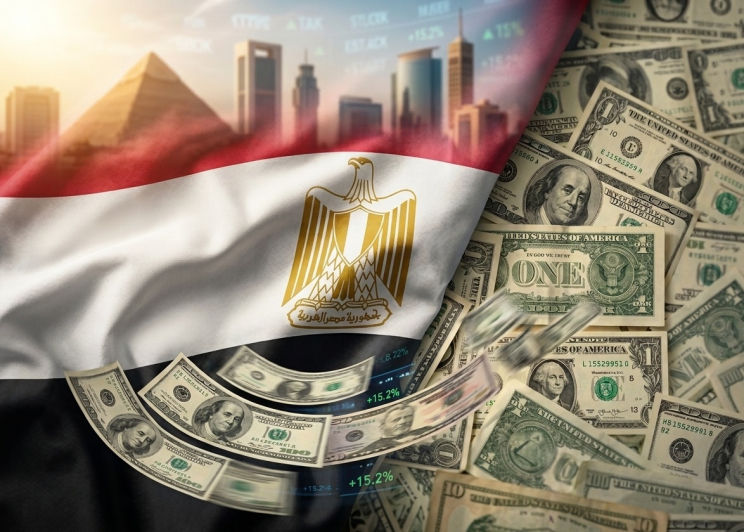
A report by Fitch Ratings—reviewed by the Egyptian Cabinet’s Information and Decision Support Center (IDSC)—revealed that Egypt ranked third among 18 markets in the Middle East and North Africa (MENA) region in terms of investment openness. Globally, Egypt secured the 27th position out of 202 countries, a metric reflecting a relative improvement in its standing on the global investment map. The report indicates that this ranking reflects Egypt's capacity to attract Foreign Direct Investment (FDI) inflows, bolstered by a diversified investment landscape. Key sectors include oil and gas, automotive manufacturing, ICT, food industries, renewable energy, infrastructure, and financial services. This sectoral diversity demonstrates the breadth of the Egyptian economy and its multiple investment catalysts, moving away from reliance on a single sector or limited economic axis. Fitch attributes the improvement in investment flows to several structural factors, including economic growth, a strategic geographic location linking Asia, Africa, and Europe, low labor costs, and a wealth of human talent. This is further supported by a massive domestic market, abundant energy sources, and a tourism sector that remains a long-term draw for capital. Additionally, the report notes the increasing role of Gulf-based financing, which has become a primary source of foreign capital in Egypt in recent years. In the same vein, the report suggests that a flexible exchange rate policy, in alignment with International Monetary Fund (IMF) recommendations, is expected to support the stability of foreign currency inflows in the short and medium term by enhancing the economy’s resilience to external shocks and boosting investor confidence. Egypt aims to attract approximately $60 billion in FDI between 2026 and 2030—a target the report deems relatively achievable, given that annual inflows typically range between $9 billion and $11 billion, excluding exceptional mega-projects. The report contrasts this figure with total investment flows into the African continent, which often remain below $60 billion annually, highlighting the scale of Egyptian ambition relative to its regional context. The report also highlights Egypt's position as a premier investment destination in North Africa, with growing interest from multinational corporations in the industrial, pharmaceutical, and electronic sectors. It notes that the Egyptian government has taken significant steps in recent years to enhance the investment climate, including the implementation of the unified approval system for investment licenses, known as the "Golden License." This system allows for the establishment and operation of projects within a relatively short timeframe of approximately 20 working days, reducing administrative hurdles and accelerating investment entry. The legislative framework has been further strengthened by Investment Law No. 72 of 2017 and its subsequent amendments, which provide tax incentives and guarantees for investors, including facilitating the repatriation of profits and ensuring equality between local and foreign investors. Recent amendments under Law No. 160 of 2023 introduced further incentives, alongside efforts to improve the geographical distribution of investments across the country. Regarding future sectors, the report points to a surge in interest in renewable energy. Fitch expects Egypt to lead the region in solar and wind capacity growth, driven by reforms initiated in 2014 that allowed private sector participation in electricity production and the gradual reduction of energy subsidies. The government aims to increase the contribution of renewable energy to 42% of total electricity production by 2030, a goal currently being met ahead of schedule. The report also sheds light on the expansion of investments in coastal development and tourism, particularly in the North Coast region, alongside the continued importance of the real estate sector, which contributes roughly 20% of GDP, reflecting its deep integration into the macroeconomy. Fitch confirms that Egypt possesses the largest stock of FDI in North Africa. The United Arab Emirates emerged as the largest investor in the country during 2024 and 2025, followed by the United States, the United Kingdom, Italy, Saudi Arabia, and Kuwait, reflecting a diversified base of foreign capital sources. In summary, the report presents a dual image of Egypt as an investment hub: on one hand, there is clear progress in the legislative framework, attractive sectors, and capital flows. On the other hand, actual performance remains tied to the economy's ability to translate these structural advantages into sustainable, long-term inflows within a highly volatile regional and international environment.

Saudi Arabia and Switzerland: A Strategic Partnership from Historical Roots to the Horizons of Vision 2030

The bilateral relationship between the Kingdom of Saudi Arabia and the Swiss Confederation represents a continually evolving partnership. Grounded in a long history of mutual understanding, it has now entered a new phase characterized by strategic depth, particularly in light of the ambitious Saudi Vision 2030. While Switzerland is a global hub for innovation, finance, and technological expertise, Saudi Arabia stands as the region's largest economy and a gateway for monumental developmental transformation. This confluence of interests creates a vital intersection for collaboration in the fields of entrepreneurship, sustainability, and technology. Historical Foundations of Diplomatic Relations The institutional connection between the two countries dates back many decades, with Switzerland recognizing the newly established Kingdom of Saudi Arabia in 1927. However, formal diplomatic relations were only established in 1956. This relationship saw a significant economic turning point with the formation of the Saudi-Swiss Joint Economic Commission (JEC) in 1975. Since then, the JEC has served as the primary platform for enhancing cooperation in economic, trade, investment, scientific, and technical domains. The relationship has been strengthened by high-level reciprocal visits, underscoring Switzerland's role as a trusted partner, even playing a crucial diplomatic role in representing Saudi and Iranian interests in 2017. Analysis of Economic Relations and Investment Opportunities The Kingdom of Saudi Arabia is currently ranked as Switzerland's second most important trading partner in the Middle East (after the UAE). The total trade volume between them amounts to approximately CHF 6.8 billion (including gold), with Swiss exports accounting for over CHF 6 billion of this figure. Furthermore, the cumulative investment of Swiss companies in Saudi Arabia reached about CHF 1.41 billion by the end of 2022. While this economic volume is an indicator of mutual trust, the biggest driver for future growth is Vision 2030. This unprecedented economic shift has offered vast opportunities for numerous Swiss companies to participate in "Giga-projects" such as NEOM, Qiddiya, and the Riyadh Expo 2030. This direction was affirmed during the recent 14th Joint Economic Commission meeting, where discussions emphasized the need to finalize bilateral legal agreements, such as improving the implementation of the Free Trade Agreement between EFTA states and the GCC, and expediting the conclusion of a new Investment Protection Agreement (IPA). Partnership in Transformation Pillars: Technology, Sustainability, and Entrepreneurship The new Saudi-Swiss partnership is focused on three main pillars, as the Kingdom seeks to leverage Switzerland’s extensive expertise to accelerate its non-oil economic diversification. 1. Technology and Innovation Switzerland is a world leader in technological education and innovation, hosting institutions like the Swiss Federal Institute of Technology in Zurich (ETH Zurich), which is globally prominent in areas such as Artificial Intelligence and Robotics. This expertise aligns perfectly with Saudi Arabia's ambition to become a global technology power, especially after its leadership in global digital development indices. Technological cooperation is evident in several forms: AI and Digital Transformation: Specialized Swiss companies are seeking opportunities to integrate solutions in AI, Blockchain, and even the Metaverse into vital Saudi sectors. Digital Infrastructure: Swiss firms are participating in building the advanced digital infrastructure that supports projects like NEOM, which relies entirely on cutting-edge technologies. 2. Sustainability and CleanTech Sustainability holds paramount importance in the partnership, particularly with Saudi Arabia's adoption of ambitious climate initiatives, including the NEOM Green Hydrogen projects, set to be the world's largest of their kind. CleanTech Forum: The two nations hosted the First Saudi-Swiss CleanTech Forum in 2023, gathering Swiss SMEs that offer innovative solutions for climate change mitigation. Knowledge Transfer: Saudi Arabia benefits from the "bottom-up" Swiss approach to innovation, which focuses on funding basic research in universities and supporting start-ups in renewable energy and environmental solutions. 3. Entrepreneurship and Business Localization The Kingdom views the private sector, including Swiss companies, as an essential engine for achieving development goals, specifically in job creation and economic diversification. Figures indicate that Saudis hold a positive perception regarding the availability of entrepreneurial opportunities and the necessary skills to launch a business. The Localization Challenge: As the market grows more attractive, Saudi Arabia has introduced new policies to ensure value localization.The most prominent is the Regional Headquarters (RHQ) program, which requires foreign companies to move their regional headquarters to the Kingdom to secure government contracts. Additionally, the Economic Participation Policy (EPP) has been adopted, mandating a local economic participation of at least 35% in certain public procurement contracts. Swiss Response: Despite the complexity of these rules, about ten Swiss companies have already responded by relocating their regional headquarters to the Kingdom.This reflects the strategic importance they attach to the opportunities in the Saudi market. Furthermore, cooperation in the hospitality and tourism sector through partnerships for qualifying Saudi tourism competencies is evidence of Swiss expertise penetrating new sectors. Future Outlook and Strategic Trajectory The relationship between Saudi Arabia and Switzerland is currently at its strongest point, having evolved from a traditional trade partnership into a strategic alliance aimed at building the future. Vision 2030 serves as the driving force connecting the robustness of the Swiss economy with Saudi Arabia's ambitious push for diversification. While the Kingdom imposes regulatory challenges (such as RHQ and EPP) to ensure value localization, the fields of CleanTech, Artificial Intelligence, and entrepreneurship remain ideal areas for deepening this cooperation, establishing it as a model for partnership between a developed European economy and an ascending regional power.

UAE's Reno, a Home Renovation Tech Platform, Secures $4 Million to Fuel GCC Expansion

Reno, a technology platform based in the UAE specializing in home renovation and interior design, has successfully closed a $4 million funding round, comprised of a mix of equity and debt. The funding is specifically aimed at building the region's first end-to-end operating system for renovation processes. The round was led by prominent investors, including Sanabil 500, Hub71, Plus VC, Zero 100 VC, FlyerOne Ventures, Sandstorm VC, AngelSpark, and the Swiss Founders Fund. Leading Home Renovation with AI Technology Founded in 2024 by Marc Michel, Amr Hosny, and Farah Karabeg, Reno positions itself as a comprehensive, all-in-one platform for interior design and renovation across residential and commercial projects. The current funding will support the launch of Reno’s new app in early 2026, which is set to introduce innovative features, including: Real-time AI-powered design. Instant budget estimates. An Intelligent Materials Engine, providing customers with complete clarity from the very start of their renovation journey. A Comprehensive and Transparent Business Model Unlike traditional renovation services, Reno integrates all stages of the renovation process into a single platform, covering design, project management, contractor oversight, and financing options. One of its signature offerings is the "Renovate Now, Pay Later (RNPL)" financing option. This model provides a transparent, structured, and fully supervised renovation experience, giving homeowners and property investors unmatched control and visibility through AI-driven workflows and transparent, milestone-based processes. Control and Growth for Investors: Ibrahim Shami, CEO and Co-founder of Seraya (one of the fastest-growing short-term rental operators in the UAE), leveraged the RNPL financing options to renovate multiple units without paying upfront. Reno's support helped him double his portfolio's renovation pace from two to four apartments per month, effectively turning a renovation "bottleneck into an opportunity to expand faster and smarter." Reducing Stress for Families: For a customer like Camillo Schobesberger, a busy professional, the platform-driven approach transformed his renovation into a smooth, structured experience thanks to daily updates, clear budget oversight, and milestone-linked payments. He noted that the platform "made the renovation journey smooth for my family, minimising disruption," and the carefully managed upgrades "increased my property value by nearly 40%." Expansion Outlook Marc Michel, Co-founder and CEO of Reno, stated: "Our goal is to make home renovations as seamless and transparent as possible." With the new $4 million funding, Reno plans to expand its geographical footprint across the GCC region, scale its technology capabilities, and continue to refine the renovation experience. By leveraging innovation and data-driven workflows, Reno is redefining how renovations are managed, helping clients save time, reduce stress, and maximize their property value.

TERN Group Raises $24 Million to Expand Partnerships Across Europe and the Gulf

TERN Group, an AI-powered global workforce-mobility platform for healthcare professionals headquartered between the UK and the UAE, has secured $24 million in a Series A funding round, bringing its total capital raised to $33 million. The round was led by Notion Capital (UK) with participation from EQ2 Ventures (UAE), RTP Global, LocalGlobe, Leo Capital, Presight Capital, and investor Tom Stafford, co-founder of DST Global. Founded in 2023 by Avinav Nigam and Krishna Ramkumar, TERN trains, certifies, and places healthcare professionals from 13 countries, cutting international hiring timelines from 6–12 months to under 10 weeks. The new funds will be used to: Scale the company’s AI platform. Enhance training and compliance infrastructure. Strengthen partnerships with healthcare providers across the Gulf region while supporting growth in Europe and the UK. CEO Avinav Nigam emphasized TERN’s mission to make global healthcare hiring faster and more transparent, noting the UAE’s rapidly growing demand for skilled professionals—healthcare spending there is projected to exceed $50 billion by 2029. The platform already serves more than 650,000 healthcare professionals and over 100 healthcare organizations, offering end-to-end solutions including résumé analysis, compliance tracking, and initial interviews, with a support team that assists candidates with training, relocation, and cultural integration. Notion Capital highlighted TERN’s ability to address the global shortage of healthcare workers by combining AI-driven efficiency with strict regulatory compliance, making it a trusted partner for health systems in the UK, UAE, Germany, and beyond. With this investment, TERN Group plans to accelerate expansion in the Gulf and deepen integration with regional health systems, building a sustainable workforce infrastructure that enables hospitals and governments to meet rising healthcare demand efficiently and confidently.

About Us

Enjoy the power of entrepreneurs' platform offering comprehensive economic information on the Arab world and Switzerland, with databases on various economic issues, mainly Swiss-Arab trade statistics, a platform linking international entrepreneurs and decision makers. Become member and be part of international entrepreneurs' network, where business and pleasure meet.


Contact Us

Please contact us : 

Cogestra Laser SA

144, route du Mandement 

1242 Satigny - Geneva

Switzerland