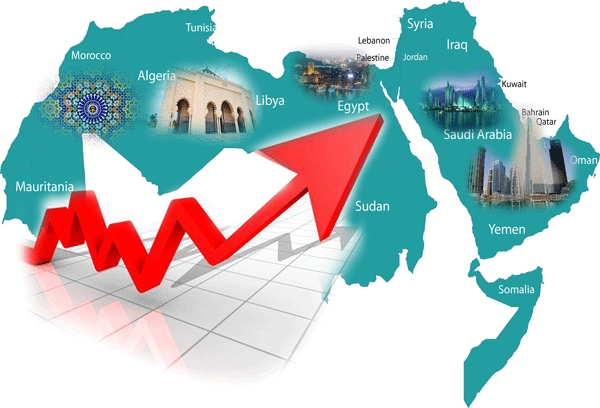

































Across the Arab world, a region where the threads of history, culture, and economy are intricately woven with both profound challenges and burgeoning opportunities, a new generation of entrepreneurs is emerging.
They are audacious, resilient, and resolutely refuse to succumb to the pervasive notion of "impossible." In environments often characterized by daunting institutional, cultural, and economic constraints that can seem like insurmountable walls, these pioneers are unleashing their creativity and determination. They are not merely navigating obstacles but are transforming them into launchpads for tangible impact, actively sketching the contours of a brighter, more dynamic future for the entire region.
This entrepreneurial wave is more than a trend; it's a fundamental shift in mindset and action, driven by a youthful population eager for change and equipped with new tools to enact it.
Transcending Institutional "Impossibility": Innovative Paths Amidst Systemic Hurdles
Establishing and scaling startups in the Arab region often involves navigating a labyrinth of bureaucratic procedures, a scarcity of accessible early-stage funding, and legislative frameworks that may not always keep pace with the speed of innovation. Yet, these entrepreneurs are not deterred.
They are ingeniously building unconventional support networks, increasingly turning to crowdfunding and angel investors, and leveraging the burgeoning ecosystem of incubators and accelerators that have begun to flourish.
These support structures are crucial in providing not only capital but also mentorship, networking opportunities, and a semblance of stability in often volatile markets. Furthermore, there's a growing movement of entrepreneurs advocating for policy reforms, working with governments to create more enabling environments that foster innovation and reduce red tape.
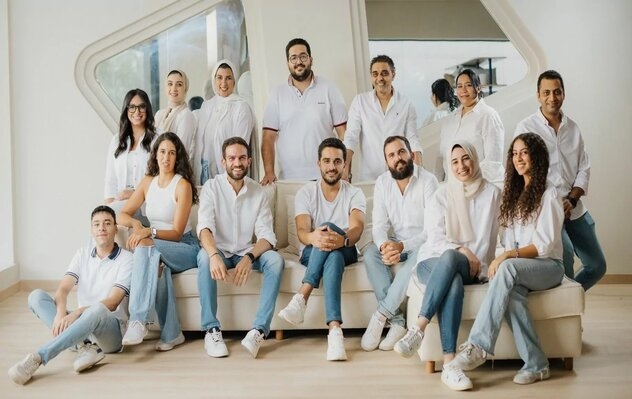
A compelling example is "Wa'ai," an Egyptian startup providing accessible and affordable online psychological counseling services. In a socio-cultural context where discussions around mental health can be fraught with societal sensitivities and stigma, the founders of Wa'ai have skillfully built a bridge of trust with users.
They achieved this through culturally sensitive content, user-friendly technology, and a commitment to privacy, thereby transcending traditional barriers to accessing crucial psychological support and demonstrating a powerful model for social entrepreneurship.
Transforming Cultural "Impossibility": Shattering the Fear of Failure
As noted previously in discussions about the regional entrepreneurial landscape, the fear of failure remains a significant cultural challenge in many Arab societies. Historically, emphasis on stable career paths and social penalties for business failure has discouraged risk-taking.
However, the current generation of entrepreneurs is actively working to reshape this narrative. They increasingly view failures not as definitive ends but as invaluable lessons and opportunities for growth and iteration.
Initiatives aimed at celebrating learning from mistakes and encouraging a culture of calculated risk are gaining traction. This shift is pivotal, as innovation inherently involves experimentation and the possibility of setbacks.
"The GrEEK Campus" in Cairo stands as a prominent testament to this cultural shift. It has evolved into a vibrant hub for innovation and entrepreneurship, a physical and symbolic space where the old narratives are being rewritten.
Its role extends beyond merely providing co-working spaces; it actively cultivates a supportive community that encourages the exchange of experiences and expertise, including the often-unspoken stories of failures that ultimately paved the way for success. Such environments are critical in normalizing failure as part of the entrepreneurial journey and fostering a collective resilience.
Innovating Solutions for Economic "Impossibility": Turning Challenges into Opportunities
Rather than succumbing to economic challenges such as high youth unemployment or resource scarcity prevalent in certain areas, Arab entrepreneurs are increasingly viewing these problems as fertile ground for innovative and sustainable solutions.
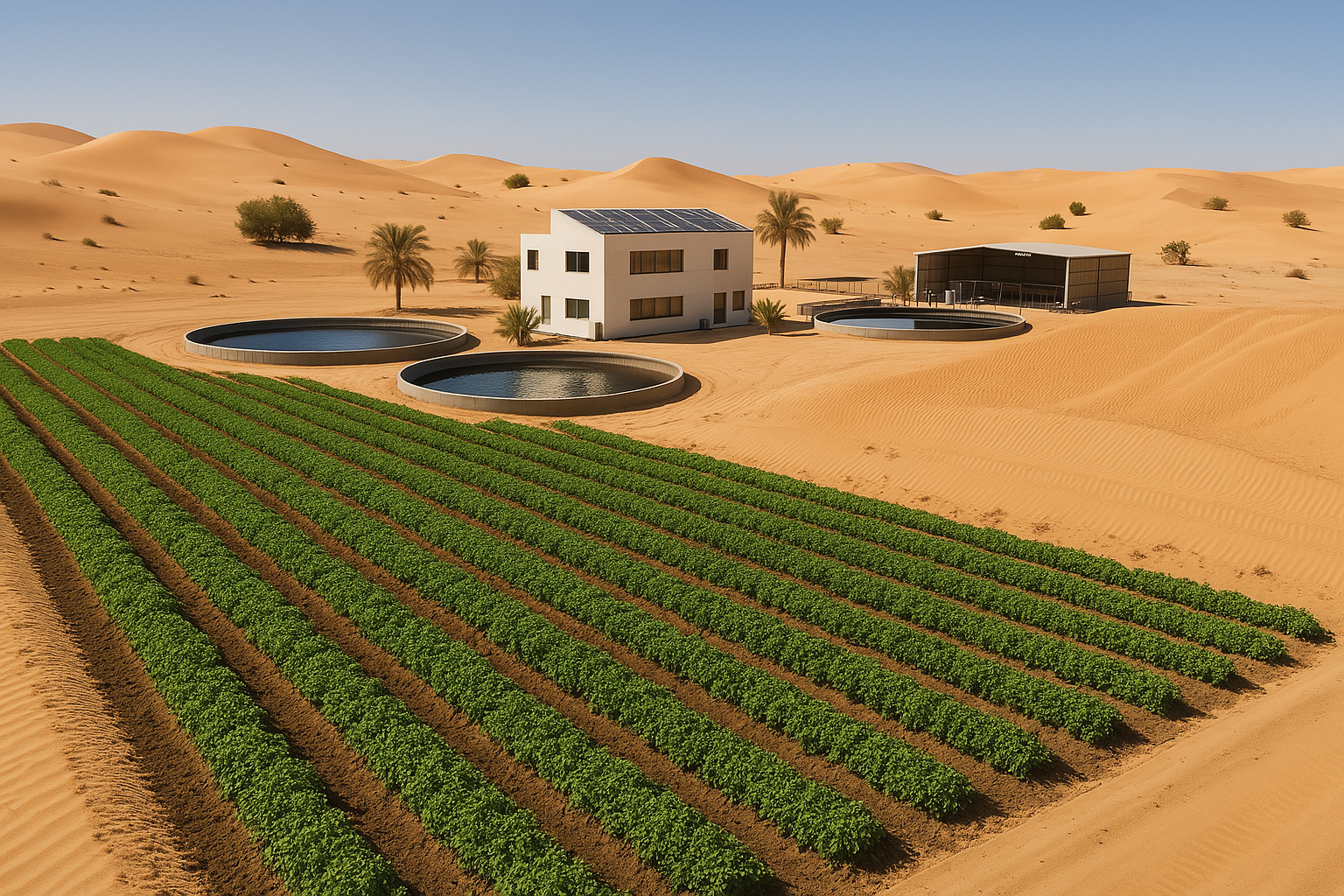
We are witnessing the rise of startups focused on developing technological solutions to address pressing issues like water scarcity, enhancing energy efficiency, promoting sustainable agriculture, and, crucially, creating new employment avenues for the region's burgeoning youth population.
These ventures often blend social impact with viable business models, demonstrating that economic development and societal progress can go hand-in-hand.
The article you provided mentions "Holool Alriyadah" in Saudi Arabia as a noteworthy example of a company developing innovative solutions in waste management and converting waste into valuable resources, thereby addressing both environmental and economic challenges simultaneously.
While specific public information on this company's waste management activities was not readily available in the immediate search, the broader trend of Saudi Arabia investing in waste management and circular economy initiatives is well-documented, aligning with the spirit of this example.
Building a "Possible" Future: The Role of Entrepreneurship in Sustainable Development
The ambition of these entrepreneurs is not confined to building successful companies alone; it extends to a deeper commitment to contributing to a better future for their communities and the wider region.
They are potent agents of change, creating new jobs, fostering innovation ecosystems, attracting domestic and international investment, and directly contributing to the achievement of Sustainable Development Goals (SDGs).
Their work often addresses local needs with global relevance, from educational technology (EdTech) and financial technology (FinTech) to renewable energy and healthcare solutions. This alignment with broader development goals also helps in attracting impact investors and development-focused partnerships.
The Pivotal Role of Technology: A Window to New Horizons
Technology plays a central and indispensable role in empowering Arab entrepreneurs to transcend traditional limitations. Through e-commerce, sophisticated digital platforms, artificial intelligence, blockchain technology, and mobile connectivity, they are able to access new markets far beyond their geographical confines, streamline complex operations, reduce costs, and offer innovative solutions to intricate problems.
The digital transformation sweeping the region is being both fueled by and accelerated by these tech-savvy entrepreneurs.
The "Sary" platform in Saudi Arabia, which connects wholesalers with small retailers through a unified application, perfectly exemplifies how technology can revolutionize a traditional sector, unlocking new avenues for growth, efficiency, and market expansion. Such platforms are not just about commerce; they are about democratizing access to markets and empowering smaller businesses to compete and thrive.
Conclusion: The Dawn of a "Possible" Era
The current generation of entrepreneurs in the Arab world is not merely confronting challenges; they are actively redefining them as opportunities for innovation, growth, and societal betterment. With unwavering determination and a profound belief in their capacity to effect change, these pioneers are proving day by day that "impossible" is merely a starting point for building a "possible," prosperous, and sustainable future for the entire region.
Their success stories, their resilience in overcoming obstacles, and their innovative spirit serve as a powerful source of inspiration not only for their contemporaries but for all future generations of change-makers who will continue to build upon this legacy. The journey is ongoing, but the trajectory is one of increasing empowerment and impact.
Sources:
- Aware Team, "More," Wa'ai, accessed May 16, 2025, https://uraware.org/news/635.
- "Jariik Kambus [The GrEEK Campus]," Wikipedia, last modified October 23, 2022, https://ar.wikipedia.org/wiki/%D8%AC%D8%B1%D9%8A%D9%83_%D9%83%D8%A7%D9%85%D8%A8%D9%88%D8%B3.
- Sary, "‘Sary’ and ‘ShopUp’ Merge to Form ‘SILQ Group’, the Largest B2B Commerce Platform Connecting the Gulf and Emerging Asia, with an Investment Financing of 412.5 Million Riyals," Sary Blog, April 9, 2025, https://blog.sary.com/uncategorized/%D8%B3%D8%A7%D8%B1%D9%8A-%D9%88%D8%B4%D9%88%D8%A8-%D8%A2%D8%A8-%D8%AA%D9%86%D8%AF%D9%85%D8%AC%D8%A7%D9%86-%D9%84%D8%AA%D8%B4%D9%83%D9%8A%D9%84-%D9%85%D8%AC%D9%85%D9%88%D8%B9%D8%A9-%D8%B3/.
- "Entrepreneurship in the Arab World: Challenges Create Champions," Good News, April 17, 2025, https://arabic.animalgoodnews.com/chyin/article/50579/entrepreneurship-in-the-arab-world-challenges-create-champions?session=init&locale=ar-IQ&uid=babfc7b3224135a6c06c5dbe90b95e4e91494b137785ee789f53de27e4f4d15f.
- "The Role of Technology in Supporting Entrepreneurship and Expanding Projects," Tatpik Platform, accessed May 16, 2025, https://www.tatpik.com/%D8%AF%D9%88%D8%B1-%D8%A7%D9%84%D8%AA%D9%83%D9%86%D9%88%D9%84%D9%88%D8%AC%D9%8A%D8%A7-%D9%81%D9%8A-%D8%AF%D8%B9%D9%85-%D8%B1%D9%8A%D8%A7%D8%AF%D8%A9-%D8%A7%D9%84%D8%A3%D8%B9%D9%85%D8%A7%D9%84-%D9%88/.
- "Entrepreneurship, Community, and the Fear of Failure," KAUST News, October 18, 2021, https://www.kaust.edu.sa/ar/news/why-community-is-key-to-entrepreneurship-success.
- "Saudi Green Initiative (SGI) Initiatives," Saudi Green Initiative, accessed May 16, 2025, https://www.sgi.gov.sa/ar-sa/sgi-initiatives. (This source provides context for Saudi Arabia's focus on areas like waste management, relevant to the "Holool Alriyadah" example, rather than being a source for that specific company).