








Featured

News

 (English)

طلال ابو غزالة العالمية من الخدمات الى انتاج أول كمبيوتر عربي

في مقابلة حصرية مع مؤسس ورئيس المجموعة سعادة الاستاذ طلال أبوغزاله يحدثنا عن أول اختراع عربي في مجال المعلوماتية


في اطار المقابلات التي تجريها منصة رواد الأعمال العرب السويسريين مع الشخصيات الاقتصادية العربية والاجنبية المؤثرة، قمنا باجراء لقاء مع الدكتور طلال أبو غزالة مؤسس ورئيس طلال أبو غزالة العالمية.

في هذه المقابلة يسلط الدكتور طلال ابو غزالة الضوء على جهاز الحاسوب الجديد الذي تمكنت مجموعته من انتاجه بالكامل. وهو يستعرض اصول الخلاف القائم بين أمريكا والصين ...والرغبة في ايجاد نظام عالمي جديد والحد من النفوذ الصيني.

ثم ينتقل بنا الى التعريف بمبدأ عام من مباديء الملكية الفكرية بما يسمح لأي فرد أو دولة من استلهام افكارجديدة من خلال منتجات قائمة وتطويرها لتسجيل اختراع جديد، ومن هنا فقد حدثنا عن النهضة الاقتصادية الصينية وكيف تمكنت الصين من استخدام هذا المبدأ لتطوير التكنولوجيا الخاصة بها والتفوق على التقنية الامريكية.

وبخصوص العالم العربي، فقد اعتبر أنه لا وجود لاقتصاد عربي موحد ولا حتى سوق عربية مشتركة بالنظر الى التباينات بين الدول العربية وضعف التبادلات البينية فيما بينها، معربا عن أسفه من عدم الوصول الى التكامل الاقتصادي بين الدول العربية وعدم وجود دور فعال للعرب على المستوى الدولي.

كما قام الدكتور طلال ابو غزاله باطلاعنا على التوجهات الحالية الهامة للنمو الاقتصادي في ظل الثورة الصناعية الراهنة القائمة على التقنيات المعرفية...فالمعرفة هي الثروة الحقيقية....والانسان يشكل عمادها ومادتها الاساسية.

وبخصوص القطاعات الاقتصادية التي بحاجة للاستثمارات، قال بأنه لا حاجة لاضاعة الوقت في البحث عن الاستثمارات الاجنبية، وضرورة الاعتماد على الذات، معربا عن دعمه الكامل لريادة الأعمال والابداع، وختم بالقول أنه لا حدود لابداع العقل البشري، فأية فكرة ابداعية يتخيلها العقل يمكن أن تشكل نواة لاختراع ناجح وثروة هائلة.


شاهد الفيديو.


 طلال أبو غزالة هو المؤسس ورئيس طلال أبو غزالة العالمية، وهي مجموعة شركات عالمية تقدم الخدمات المهنية في مجالات المحاسبة والاستشارات الإدارية ونقل التكنولوجيا والتدريب والتعليم والملكية الفكرية والخدمات القانونية وتقنية المعلومات والتوظيف والترجمة والنشر والتوزيع. وبالإضافة إلى منحه لقب قائد المحاسبة العربية، تم الاعتراف بفضله في الترويج لأهمية الملكية الفكرية في المنطقة العربية.

كذلك يوجد له عدة مؤلفات حيث صدر له مؤخرا كتاب (العالم المعرفي المتوقد) (The Brave Knowledge World). يتحدث فيه عن عالم المعرفة في ظل الثورة الصناعية الرابعة ودور المعرفة في التنمية الاقتصادية.

ولد طلال أبو غزالة في يافا في فلسطين في 22 من أبريل عام 1938، ثم انتقل بعد النكبة الفلسطينية عام 1948 إلى قرية الغازية اللبنانية والتي تبعد ربع ساعة عن مدينة صيدا الساحلية. تلقّى تعليمه الابتدائي والثانوي في صيدا، ثم تابع تعليمه الجامعي في الجامعة الأمريكية في بيروت حيث حصل على منحة دراسية كاملة. عندما كان الدكتور طلال أبو غزالة لا يزال طالباً جامعياً، عمل كمعلم ومترجم. وحصل على أول عمل له بعد التخرج في شركة تدقيق حسابات. في عام 1969، قرر الدكتور طلال أبو غزالة لدى سماعه خطاباً حول الملكية الفكرية في مؤتمر تايم-وورنر في سان فرانسيسكو العمل في مجال حقوق الملكية الفكرية بالإضافة إلى المحاسبة.

قام في العام 1972 بإنشاء شركتين وهما شركة طلال أبو غزالة (تاغكو) وأبو غزالة للملكية الفكرية (أجيب)، حيث اختصت الأولى في مجال المحاسبة.... بينما اختصت الثانية في مجال الملكية الفكرية.... ومنذ ذلك الحين، أسس الدكتور طلال أبو غزالة ما مجموعه 140 شركة للخدمات المهنية المتخصصة في مجالات متنوعة مثل الإدارة والاستشارات والخدمات القانونية وتقنية المعلومات وغيرها الكثير.

نجح الدكتور طلال أبو غزالة على مر السنين في إنشاء شراكات وثيقة مع منظمات عالمية مثل منظمة الأمم المتحدة ومنظمة التجارة العالمية وعين في العديد من المناصب العالمية.


كان لنا هذه المقابلة مع سعادة الدكتور طلال ابو غزالة

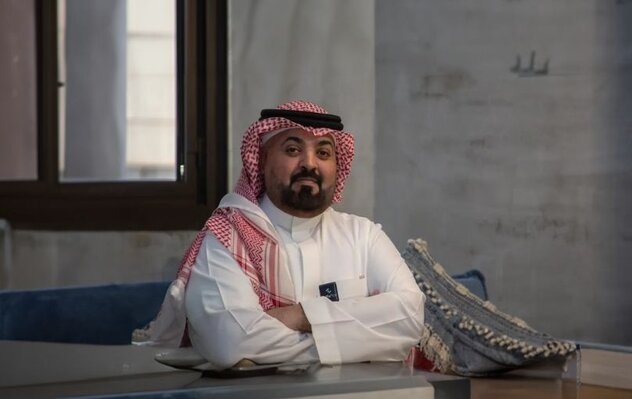
 مؤسس المنصة، الاستاذ أيمن أبو الخير مع سعادة الاستاذ طلال أبو غزالة في مقره الرئيسي في عمان - الأردن


المنصة: طلال ابو غزالة يعتبر من أبرز الشخصيات الاقتصادية في العالم العربي وهو رائد الملكية الفكرية على مستوى العالم، فيا حبذى لو تكرمت باعطائنا نبذة عن أهم انجازاتكم

د. طلال ابو غزالة: من حوالي عشرين سنة انتقلنا من المؤسسة الكبرى في الوطن العربي لنصبح عالميا. مثلا ذكرت الملكية الفكرية، نحن اكبر مؤسسة للملكية الفكرية في الدنيا. لذلك اسمنا تاغ غلوبال.. تاغ العالمية.. ولدينا ما يزيد عن 110 مكتب منتشرة في العالم. ونمارس نشاطات كلها مهنية تدقيق حسابات استشارات تدريب بناء قدرات، في كل المجالات المهنية.

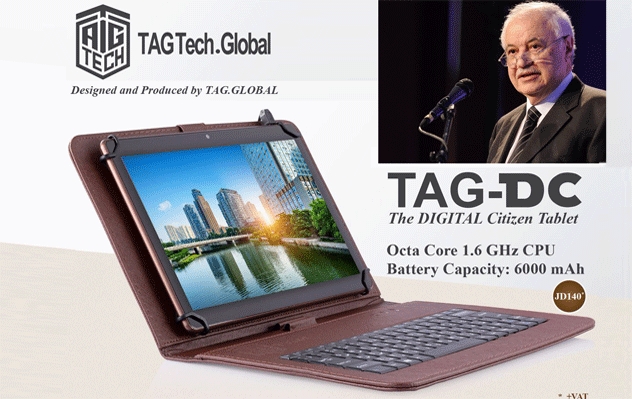
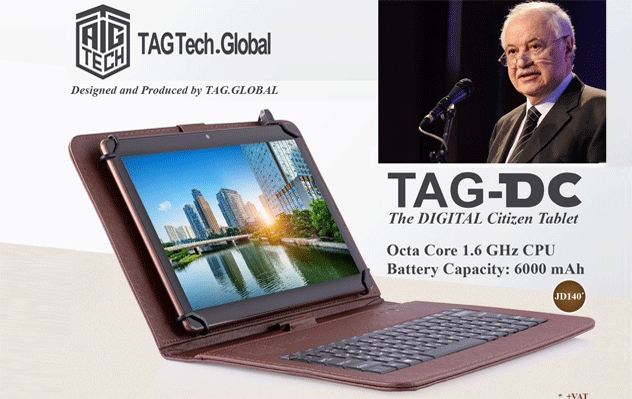
وهذا الشهر بدأنا نشاط جديد وهو نشاط انتاج ادوات التقنية سواءا تابلتس او لابتوبس.


المنصة: في الواقع قرأت عن هذا في الاعلان اذا ممكن تعطونا توضيح عن الاجهزة المختلفة التي تنتجونها؟

د. طلال ابو غزالة: نحن نشعر ان منطقتنا بحاجة الى أن تدخل صناعة الكمبيوتر، لانه لا يوجد سبب يمنع أن يكون هذا الوطن العربي، وانا رايت خارطتك عن الوطن العربي واهتمامك بالوطن العربي، يستحق الوطن العربي ان يكون لديه صناعة كمبيوتر كما للدول الاخرى ...صرنا ندرس ونجرب... خلال فترة عدة سنوات الى أن انتجنا تابلت (tablet) والهدف منها بالاضافة الى أنها جهاز لكل الاستعمالات هي تصلح لأن تكون الحقيبة الدراسية (Smart school bag).

تكاليف المدارس عالية جدا على الدولة... ان تفتح مدرسة وما يعنيه ذلك من تكاليف من منشات واساتذة وطلبة وكتب وما يلزم من تجهيزات... في حين أنه يمكن توفير الكثير باستخدام دراسة بتقنية المعلومات ... دراسة ذكية معرفية. بالاضافة الى هذا الجهاز انجزنا جهازي لابتوب من تصميمنا وتصنيعنا، نحن لسنا منتجين مع مؤسسة تصنيع، نحن ننتج ونسوق، والبراند (العلامة التجارية) خاص بنا ولا يوجد معنا شريك وهي تاغ تك (طلال ابو غزالة للتقنية) ويتم انتاجها بشكل كامل من قبلنا، الفرق الوحيد أننا اردنا في البداية شيء يخفف التكلفة من خلال رسالتنا لنشر المعرفة في الوطن العربي وفي العالم بشكل عام، بالتالي بدانا من منطلق كيف نوفر جهاز رخيص أو منافس في السعر، ولكن بالنظر الى أن اسمنا هو طلال ابو غزالة العالمية، وللحفاظ على الجودة لم يكن باستطاعتنا تنزيل جهاز الى السوق بمستوى اقل من أي مستوى كمبيوتر في العالم، من هنا اصبحنا امام محددين: التكلفة التنافسية واعلى مواصفات عالمية للجودة...اي جهازين بمواصفات أعلى من الموجود في الدنيا.. وانا اتكلم عن المنتجين الرئيسيين في العالم...نحن لدينا تقنيات بمواصفات أعلى من كل الموجود في الدنيا...اما من حيث السعر.. فكون أن هذا المشروع الهدف منه خدمة المجتمع قامت مؤسسة طلال أبو غزالة (Talal Abu Ghazaleh Foundation) والتي هي الذراع لطلال ابو غزالة العالمية لاعمال خدمة المجتمع بتمويل هذا المشروع وبهدف أن يصبح سعره منافسا، وفي نفس الوقت.. واقول لا تصدقونني.. ولكن صدقوا الحقيقة وانظروا الى الجهاز وقوموا بفحصه، قارنوا سعره .. ونحن وضعنا في شعاراتنا (قارن ثم قرر)... قارن هذا الجهاز مع احسن الاجهزة في السوق اذا لم يكن أفضل منها..لا تشتريه.. وقارن سعره، اذا لم يكن أرخص منها ...لا تشتريه... فنحن انجزنا جهاز بأعلى المواصفات .. وبتقريبا نصف السعر... سوف نبدأ من منطقة معينة... وهي المنطقة العربية ..ولكن هدفنا ليست هذه المنطقة فحسب، كما أن ابو غزالة للملكية الفكرية ونشاطات أخرى كثيرة نحن نقود العالم من خلالها، لا ارى أية عقدة أو خجل بأن أقول أننا نريد أن نصبح من المنتجين الدوليين لتقنية المعلومات ...ادوات تقنية المعلومات.


المنصة: نشكركم على هذه المبادرة لانه فعلا. السؤال هو لماذا لا يدخل العالم العربي التصنيع التقني في مجال الكمبيوتر أو التلفونات أو التابلت؟.

د. طلال ابو غزالة: كل الدنيا الدول الغربية والشرقية تنتج هذه التقنيات، هل هو ممنوع على العرب وحدهم أن ينتجوا؟ هل هناك قرار صادر ينص على منع انتاج الاجهزة، واقول هذا الكلام، لان هذا هو اول انتاج عربي من القطاع الخاص.

المنصة: بخصوص المنافسة، سمعت المقارنة التي اجريتها بين السعر والنوعية، نتمنى أن نرى عرض حول مزايا الجهاز؟.


د. طلال ابو غزالة: نقول نحن الافضل نوعا ومواصفاتا، والاكثر تنافسية سعرا. لان اسمنا الدولي وسمعتنا كلها مرتبطة مع بعضها البعض... ونحن حريصين على انتاج جهاز بمواصفات عالية يعكس سمعتنا كواحدة من اكبر شركات المحاسبة في الدنيا وتدقيق الحسابات والاستشارات والترجمة، ونحن اكبر شركة ترجمة في العالم.. نحن اكبر شركة في تقديم برامج التدريب والتأهيل وبناء القدرات في العالم... ونحن اكبر شركة في مجال الملكية الفكرية...لذلك لا نستطيع انتاج منتج ليس على اعلى مستوى، فسمعتنا هي مسألة غاية في الاهمية... وكل نشاطاتنا تنضوي تحت اسم تاغ (Tag)، لذلك لا نستطيع الا أن نكون منتجين للجهاز الأفضل... بدعم من تاغ فاونديشن (Tag foundation) استطعنا أن نجعل هذه التكلفة الارخص.


المنصة: نشكرك جزيل الشكر عن هذه المقدمة عن الاختراع والانتاج العربي في مجال اجهزة الكمبيوتر والتابلت لاول مرة من انتاج شركة أبو غزالة...يقال أن شركة ابو غزالة اكبر شركة في العالم...فهل هي اكبر شركة في الملكية الفكرية أم المحاسبة؟

د. طلال ابو غزالة: هي اكبر شركة في الملكية الفكرية على الاطلاق، في مجال المحاسبة، هناك ما يسمى فورم اوف فيرمز (Forum of Firms) تحت مظلة الاتحاد الدولي للمحاسبين القانونيين ifac (www.ifac.org) في نيويورك، هذا الاتحاد اسس ملتقى (Forum of Accounting Firms) ويختصر ب (FOF) وهو يحتوي على عشرين شركة هي ما يسمى لدى اهل المهنة بـ ج20 وشركتنا تعتبر عضوا فيها، ونحن الوحيدون من المنطقة.

هذا المنتدى (فورم اوف فيرمز) يضم الشركات العالمية التي تلتزم بتطبيق معايير ومباديء المحاسبة الدولية... سواءا كمعايير او مبادي الشفافية... التركيز هو على الالتزام بالمباديء والشفافية... من ينطبق عليه هذه الشروط ينضم الى هذا المنتدى... ونحن عضو فيه منذ تأسيسه وحتى الان.


المنصة: بخصوص مسيرتك الشخصية، ما هي اصعب اللحظات التي واجهتها؟

د. طلال ابو غزالة: بالنسبة لي أصعب اللحظات هي احلى اللحظات...انا اؤمن بأن المشاكل هي التي تصنع النجاح، وان المعاناة نعمة، وعندما يأتوني زملائي يقولون لدينا مشكلة، اقول الحمد لله على ذلك، فيقولون ايها المدير لدينا مشكلة، اقول اسمعك تماما، المشكلة تعني أن هناك حل، يعني أن هناك نجاحا، عندما يكون لديك مشكلة وتستطيع أن تجد لها الحلول وتنتصر عليها. هذه فرصة، فالمشكلة هي فرصة وليست هي مشكلة فقط.

كما اتكلم عن الاقتصاد العالمي الان. وانا اصدرت تقرير كامل يمكن أن ازودك به، عن الازمة العالمية القادمة. والتقرير يشرح كيفية وماهية هذه الازمة التي ستنتهي، وانا اتوقع أن يحصل هذا العام القادم 2020، ستنتهي بما يسمى (stagflation) (الرُّكود التضخُّميّ) أي كساد وغلاء اسعار في نفس الوقت. وهذه وصفة مميتة وسيئة جدا. أن يكون كساد مع ارتفاع في الاسعار. بالتالي انا ازعم وانا لست ابتدع هذا الامر ولا احلم، فأنا ادرس واحلل الظواهر، مراكز الدراسات في العالم وبالذات في امريكا تقول ان هذه الازمة ستفرض على امريكا أن تدخل في حرب. والحرب هذه ليست مع ايران، وجود ايران في المعادلة لأنها تأتي كمزود للصين بالنفط فقط. المشكلة في اجتهادي الشخصي، من حيث منع ايران من تصدير النفط هو ليس بسبب السلاح النووي، فنحن نعرف أن هناك العديد من الدول في العالم لديها السلاح النووي، المشكلة ليست مشكلة قنبلة ذرية أو نووية، المشكلة هي أن امريكا تريد ان تضع حدا لصعود الصين تقنيا واقتصاديا. وهذا حقها، لو كنت انا امريكا، لا يمكن أن أسمح لدولة ما أن تتفوق علي. تعالي يا صين لنجلس سويا، وهذا ليس رأيي ولكني ألخص ما تقوله مراكز الابحاث. امريكا تريد أن تجلس مع الصين، والصين ليست موافقة على الجلوس لوضع نظام عالمي جديد.

الولايات المتحدة الامريكية، وهذا اجتهادها وهي حرة في ذلك، تقول أن النظام الحالي الذي وضع بعد الحرب العالمية الثانية في العام 1948 وما نتج عنه من بريتن وودز وغيرها وما نتج عنها لاحقا لم يعد صالحا، فهي تريد الجلوس مع الصين لصياغة نظام عالمي جديد. الصين تقول انا ليس لدي طوح في السيطرة على العالم لا سياسيا ولا عسكريا ولا اداريا، أنا التزم بما هو موجود من معايير قائمة لأن ذلك يناسبها.

امريكا، وانا اكرر ان لها الحق أن تقوم بكل ما تراه مناسبا لها تقول اننا نحتاج الى نظام جديد. ولذلك نرى أن كل القرارات الامريكية، ولا اقول ترامب، فترامب يمثل المؤسسة الهامة أمريكا، فالمسألة ليست معركة شخصية مع ترامب. فهنالك مراكز لاتخاذ القرارات. طريقة اخراجها وتقديمها تختلف من رئيس الى اخر لكن صنع القرار ليس من صنع الرئيس. فبالتالي هناك توجه امريكي باننا نحن نريد عالم جديد بكل المعايير

ولا نقبل مثلا المحاولات للخروج عن سيطرة الدولار في التعاملات العالمية هذا موضوع مهم جدا وحساس ولا مجال فيه للمزاح، وعندما ينادي ماكرون، وانا اعتقد ان الغضب على ماكرون اساسه مقالته عندما قال حان الوقت لعملة عالمية جديدة، هذا الكلام ليس بالموسيقى بالنسبة لامريكا، بيس موسيقي ابدا.


المنصة: بالنسبة للدولار، ذكرت مسألة مهمة جدا، وهو مرتبط بنظام بريتون وودز، ويتم الحديث عن البترودولار؟

د. طلال ابو غزالة: لا يوجد شيء يسمى بترودولار وهذه من الأمور التي تضحكني، المقصود من هذا ان البترول يباع بالدولار، لا يوجد دولار مكتوبا عليه بترول، كما يقول الامريكيون (the color of money is green) فالدولار الامريكي لونه أخضر ولا يوجد عليه الوان اخرى. كذلك فانني اضحك عندما يقولوا بأن اسعار النفط يقررها العرض والطلب. مثلا نلاحظ في شهر معين بأن أسعار النفط تنخفض بنسبة 50% وحصل هذا الأمر وانخفض السعر الى 20 دولار، فهل استهاك العالم انخفض بنسبة 50% في يوم واحد أو بشهر واحد، ثم يرتفع مرة واحدة، هذه الأيام ترتفع اسعار النفط بشكل يومي. فهل هناك من يقوم بقياس العرض والطلب على النفط؟! طبعا لا، هذه قرارات سياسية.


المنصة: هل هناك امكانية قيام جهة معينة بمنافسة الدولار؟

د. طلال ابو غزالة: أنا لا افشي اسرار، هنالك تصاريح معلنة، بأن الدول بدأت تتعامل بشكل ثنائي بعملاتها (bilaterally)، وهذا غير مقبول امريكيا، لان هناك عملة واحدة وهذا ما تقرر في بريتون وودز ولا يجب أن ننسى أهمية بريطانيا في هذا الموضوع يعني تنازل بريطانيا عن الاسترليني في بريتون وودز ليصبح الدولار العملة الوحيدة للتعامل كعملة قياس وكعملة احتياط، هذا الان اصبح موضع نقاش، فالصين قالت وكل مجموعة بريكس (BRICS) قالت حان الوقت، كذلك البنك الدولي يبحث في صيغ لعملة أخرى هناك تعاملات كبيرة اصبحت تقوم بين الدول، رجعنا الى نظرية المقايضة (Barter) اي بنفس القيمة خذ مني واعطيك، فهذا هو خروج عن سيطرة الدولار على العالم، ويجب أن نراعي ظروف معينة، أنا في نظري أن الموضوع ليس فقط انفراد أمريكا في اتخاذ القرار، امريكا تشعر أن العالم الذي نعيش فيه الان لم يعد يصلح له ما صيغ قبل 70 أو 80 سنة. نحن نعلم أن الحروب تنتهي باجتماعات ومفاوضات واتفاقيات، لا يوجد حرب محلية ولا اقليمية ولا دولية، الا انتهت باجتماعات للتفاوض واتخاذ قرارات جديدة، فهذا هو المطلوب، المطلوب أن تحصل حرب لتجبر امريكا ومعها بريطانيا، والصين ومعها روسيا ليجلسوا على طاولة التفاوض لايجاد حلول جديدة للعالم.


المنصة: بخصوص الملكية الفكرية، يقول الاقتصاديون بان الملكية الفكرية تستخدم كسلاح للنيل من الشركات الصغيرة والحيلولة دون دخول منافسين جدد؟

د. طلال ابو غزالة: لا يوجد شركات كبيرة وصغيرة. انا خدمت على نظام المنظمة العالمية للملكية الفكرية التي تعتبر مسؤولة عن الملكية الفكرية وعلى مجلس خبراء المنظمة العالمية للتجارة، لبحث شؤون المليكة الفكرية. الملكية الفكرية هي انظمة واتفاقيات واضحة، لا يوجد فيها صغير أو كبير. فيها قوانين تحدد كيف تسجل اختراعك، كيف تحمي اختراعك، كيف ترفع دعاوى واجراءات لمن يتعدى على اختراعك. هنالك نظرة جديدة في هذا الموضوع تقودها امريكا، أمريكا تعتقد أن هذا النظام فيه خلل ما، عندما اخترع أنا موبايل على سبيل المثال، وانت تخترع موبايل افضل منه. كما نحن الان نصنع جهاز تقنية معلومات جهاز لابتوب او تابلت أحسن من الموجود. هذا يعتبر استغلال للمنتج الموجود، ولا يعتبر أختراع جديد. اتفاقيات المنظمة العالمية للتجارة في مجلس تريبس (TRIPS) والمنظمة العالمية للملكية الفكرية، واتفاقيات الملكية الفكرية في كل الدنيا تقول أن أي تحديث على شيء موجود هو اختراع جديد. هذا هو النظام الحالي. الان هناك وجهة نظر امريكية تقول أنني عندما وضعت منتجات أبل لديكم في الصين لصناعتها فأخذتم التقنية الموجودة في أبل وعملتم مخترع جديد، هذا المخترع هو تعدي علي ويتوجب عليكم دفع تعويضات على ذلك، هذه وجهة نظر لا أريد أن ابحث فيها، لأن هذا صراع بين الكبار، وبالمناسبة هذا الموضوع لا يتحدث فيه احد. الخلاف ين الصين وأمريكا بحسب رأيي ليس حول الضرائب على المنتجات ولا على الجمارك ولا العقوبات الاقتصادية، بل هو بشأن هذا الموضوع. لانك اذا اردت أن تتكلم على سرقة أو تعدي على تقنيات أمريكية من قبل الصين أنت تتكلم، وانا استعمل هذه الكلمات من وجهة نظر أمريكية، أنت تتكلم عن، ليس فقط مليارات، بل تريليونات. نحن نتحدث عن كل المجالات وليس فقط الادوات التقنية، في كل مجال،

مثلا الانترنت، هي اختراع امريكي وفي المقابل هناك انترنت صينية، أمريكا تعتبر هذا تعدي على حقوقها من وجهة نظرها. من وجهة نظر صينية اتفاقيات الملكية الفكرية تقول ان اي اختراع مختلف أو ما يمسى (innovation) ابتكار، فيه تحديث، هو اختراع جديد وهذه هي المشكلة الكبرى.


المنصة: بالمناسبة تعقيبا على هذا الموضوع، قرات في كتاب اقتصادي يذكر فيه الاقتصاد الصيني كنموذج جديد غير المعطيات الحالية بحيث أنه قلب النوذج الغربي القائم على الابداع، من خلال اعتماده على المحاكاة وادى الى احداث ثورة اقتصادية جديدة.

د. طلال ابو غزالة: في شعوري هذه هي المشكلة الرئيسية، والباقي كله تفاصيل لانه، وانا ازعم، القوة والهيمنة والسيطرة على العالم هي نتاج التقنية ولم تعد كما في السابق: الاقتصاد والقوة السياسية والعسكرية، هذا كان في السابق، وهكذا انهار الاتحاد السوفييتي رغم أنه كان متفوقا عسكريا ولكنه كان متخلف اقتصاديا، لم يعد هذا المعيار، المعيار الأهم الان اصبح ليس القوة العسكرية بل شيئين: القوة التقنية والقوة الاقتصادية، والقوة التقنية هي التي توصل الى القوة الاقتصادية، فيمكن اختصار الموضوع بأن التفوق التقني هو قيادة العالم.


المنصة: بخصوص الاقتصاد العربي ما هو تقييمك للاقتصاد العربي. هناك عوامل قوة من الموارد الطبيعية والسكان. كيف تقيم الاقتصادات العربية بشكل عام وما هي المعوقات للنهضة والتنمية الاقتصادية؟.

د. طلال ابو غزالة: المشكلة وأقولها بألم، ليس هناك اقتصاد عربي واحد وليس هناك اي تكامل اقتصادي عربي، لكي نكون صادقين مع انفسنا، الاوضاع العالمية والسياسية الاقليمية والمحلية فرضت علينا أن لا يكون هناك تكامل اقتصادي. بالتالي لا نستطيع ان نتكلم عن الدول العربية كوحدة. الجامعة العربية جامعة تدار بطريقة لا تحقق التكامل الاقتصادي. لها دور هام وأنا أعتز بها كبيت للعرب وكرمز لوحدتنا العربية، لكن لا يوجد شيء يسمى الاقتصاد العربي.

الدول العربية تتعامل مع الدول الاجنبية بشكل اكبر بكثير من تعاملها مع بعضها البعض. ثانيا لا يوجد تشابه لا بين الاقتصاد الموجود في اية دولة خليجية أو دولة في المغرب أو في دولة في وسط العالم العربي. المشكلة الان اصبحت، وفقا لدراسة حديثة، ستراها في تقريري عن الاقتصد العالمي، تقول بأنه في العام 2030، سيصبح الاقتصاد الصيني ضعف حجم الاقتصاد الأمريكي، 2030 يعني بكرة.


المنصة: فعليا الاقتصاد الصيني تجاوز الاقتصاد الأمريكي.

د. طلال ابو غزالة: لكن سيصبح الضعف. الاقتصاد الثاني حجما في العالم هو الهند، وبعدها اندونيسيا. نحن أمام عالم متغير لان معايير النمو فيه ليست المعايير التقليدية. الانتاجية الان تعتمد على: اولا، حجم السكان، ولا نستطيع القول أن حجم سكان العالم العربي كذا، لأنه ليس هناك علاقة بين حجم السكان في اي دولة مع أي دولة عربية أخرى، على العكس في كل من أندونيسيا أو الهند اللتان تتمتعان بحجم سكان كبير.

في عالم المعرفة الانتاجية هي للفرد وبالتالي حجم السكان مهم جدا. وثانيا أن تستطيع أن تتصرف بتحويل دولتك الى دولة معرفية تقنية تستطيع أن تنافس تكنولولجيا. وهذا موضوع مهم جدا، لاننا ما زلنا نظن بأن القوة في استجلاب استثمارات اجنبية، ونصرف وقتنا في الدعوة للاستثمار وجلب الاستثمارات الاجنبية في حين أن اختراع واحد، الذي هو برنامج (بروغرام)، مثلا غوغل ما هي الا تطبيق على الكمبيوتر لا يحتاج الى مواد أولية ولا استثمار ولا رأس مال أجنبي ولا رأس مال حكومي ولا أي شيء من هذا القبيل ولا يعرف أصلا اين هي. اصبحت قيمتها توازي تريليون دولار وهو حجم الاقتصاد العربي. فنظرتنا للتوجه الاقتصادي ما زالت بالمعايير التي اصبحت لا تنطبق في عصر المعرفة.


المنصة: اذا كان لا يمكن الحديث عن اقتصاد عربي موحد، نتيجة لعوامل اللغة، يمكن مثلا الحديث عن سوق عربي واحد، على سبيل المثال الاختراع الخاص بكم يمكن أن يستهدف العالم العربي كسوق واحد؟

د. طلال ابو غزالة: لا يمكن التفكير في المنطقة العربية كسوق واحد اطلاقا، لان كل دولة لها أنظمتها وحدودها ومتطلباتها ومستوى معيشتها ومستوى الغلاء فيها وقدراتها، فلا يوجد دولة واحدة، نحن لسنا الهند، وحتى اتفاقية السوق المشتركة طبعا اصبحت حلم لم يتحقق، فدعنا نبدأ من جديد، اذا نريد أن نصبح سوق واحدة وقوية واحدة يجب أن نبدأ من جديد ونتوقف عن الحلم ونقول ماذا يجب أن نعمل كي نصبح كذلك.


المنصة: بالنسبة لريادة الأعمال، ما هي نظرتك لريادة الأعمال في العالم العربي، ويقال بشكل عام بأن المستقبل هو ليس للوظائف ولكن للمهن المستقلة أو ريادة الأعمال، ما هي نظرتك لهذا الأمر وما هي القطاعات التي يمكن العمل عليها وتطويرها؟

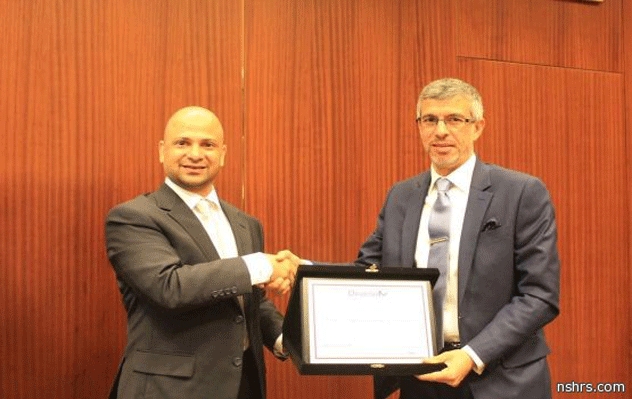
د. طلال ابو غزالة: رواد الأعمال هم جزء من اقتصاد البلد. مثلا عندما ينجح بيل غيتس فان الاقتصاد الامريكي برمته يستفيد. لذلك انا اؤيد وأدعم بقوة رواد الأعمال. وقد كنت شاركت في احتفال لتكريم طلبة التوجيهي الأوائل في الاردن، وكرمتهم واعطيتهم الدروع التكريمية وجلست معهم وحاورتهم لانهم هم من يستطيع أن يصنع المستقبل.


المنصة: هل هناك قطاعات محددة تود أن يتم التوجه اليها؟

د. طلال ابو غزالة: ابدا، اي اختراع في الدنيا. من يمكن ان يتخيل أن اختراع مثل جهاز التلفون سيغير العالم. وأنا طبعا كنت في اساس وضع استراتيجيات تقنيات المعلومات عندما انتخبت في الامم المتحدة عام 2001 كرئيس لفريق تقنية المعلومات في الامم المتحدة الذي وضع اتسراتيجية تقنيات المعلومات من موبايلات ولابتوبس...الخ. أي تطوير هو أختراع. فلو تخترع نظام لحماية الأمن السبرالي هو اختراع. وان تخترع شيء في الجينيتكس هو اختراع. وتخترع اختراع في الروبوتس هو اختراع. الاختراعات لا حدود لها. والمبادرات توفر لمبادري الأعمال بحر من المجالات ليخترعوا. وقد اشرت الى هذا الأمر خلال لقائي مع الطلبة. قلت لا يمكن أن تتخيل كم مجال امامك للاختراع، اذا كنت مهندس لديك مجال للاختراعات في الهندسة. هناك تطبيقات في الذكاء الاصطناعي لا تحصى. في هذا المجال هناك اكثر من 1000 مشروع وطريقة لتطوير نظام الهندسة. وانا قلت جملة واريد أن اختم بها: كل ما يستطيع العقل البشري أن يتخيله... كحلم أو كخيال هو حقيقة تنتظر التطبيق. سبحانه وتعالى عندما خلق الانسان جعل عقله هو القيادة للابداع. يعني اذا أنا فكرت أن هنالك شيء يجب أن يحصل وممكن أن يحصل سيحصل. عندما كنا نفكر كيف يمكن للطائرة أن تطير كان الأمر نكتة. اذ كيف يمكن لجسم حديدي أن يطير في الهواء. كان الخيال العلمي في الماضي للتسلية فاصبح حقيقة. كل ما يستطيع العقل البشري أن يتخيله هو حقيقة تنتظر التطبيق!.


Economy

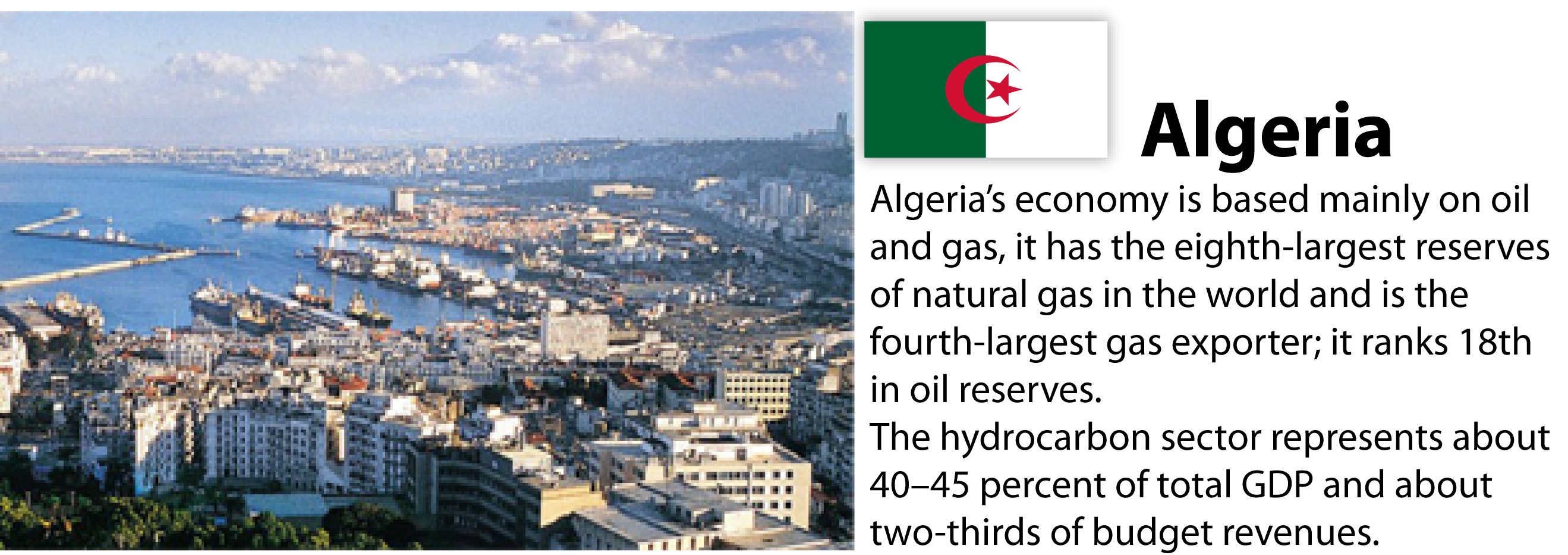
Algeria

10 Mar 2015

  Economy of Algeria Algeria’s economy is based mainly on oil and gas, it has the eighth-largest reserves of natural gas in the world and is the fourth-largest gas exporter; it ranks 18th in oil reserves. The hydrocarbon sector represents about 40–45 percent of total GDP and about two-thirds of budget revenues. Oil and gas resources account for 98 percent of the country’s exports and 70 percent of tax revenues. The chief challenges that Algeria faces in the short and medium terms are the need to diversify the economy, strengthen political and economic reform, improve the business climate, reduce regional inequalities and create jobs. Structural reform within the economy, such as development of the banking sector and the construction of infrastructure, moves ahead slowly. According to the World Bank indicator for ease of doing business in 2015, Algeria is ranked 154 out of 183 economies.   Essential Information   Area: 2,381,741 sq kmCapital: AlgiersPrincipal Towns: Oran, Constantine, Annaba, Stiff, Blida, Sidi Bel Abbes, Skikda, Batna, Tlemcen.Languages: Arabic is the official language but French is still widely used. There are Berber-speaking minorities.Climate: The coast has a moderate climate with temperatures ranging from 13 to 32°C. The summer months of June to September can be hot and humid with daytime temperatures registering between 27 and 32°C; these can be exceeded, for brief periods, when the hot, dry sirocco wind blows from the southCurrency: 1$ = 78.9 Algerian dinar (DZD). DEMOGRAPHY 39,5 (Million 2015 est.) (source: IMF) 0-14 years: 28.4% (male 5,641,148/female 5,378,207) 15-24 years: 17.4% (male 3,451,069/female 3,291,166) 25-54 years: 42.8% (male 8,398,770/female 8,209,634) 55-64 years: 6.2% (male 1,230,865/female 1,186,832) 65 years and over: 5.2% (male 931,769/female 1,094,262) (2014 est.) Source: CIA factbook. EducationLiteracy: definition: age 15 and over can read and write total population: 80.2% male: 87.2% female: 73.1% (2015 est.) (Source: CIA factbook). NATURAL RESOURCESpetroleum, natural gas, iron ore, phosphates, uranium, lead, zinc Fossil FuelOil - proved reserves: 12.2 billion bbl (January 2012 est.)Natural gas - proved reserves: 4.502 trillion cu m (1 January 2011 est.) MineralsIron ore, phosphates, uranium, lead, zincHydro-electric0.3% of production Visa Requirements: Nationals from the following countries do not require a visa to travel to Algeria:Libyan Arab Jamahiriya, Malaysia, Maldives, Mali, Mauritania, Morocco, Democratic Republic Sahraoui, Seychelles, Syrian Arab Republic, Tunisia, Yemen.Non-resident foreigners must change the equivalent of AD 1,000 on entering the country. WTO accession: Observer Independence Day July 5 Current local time  Weather Find the Algerian Diplomatic representation in Switzerland  

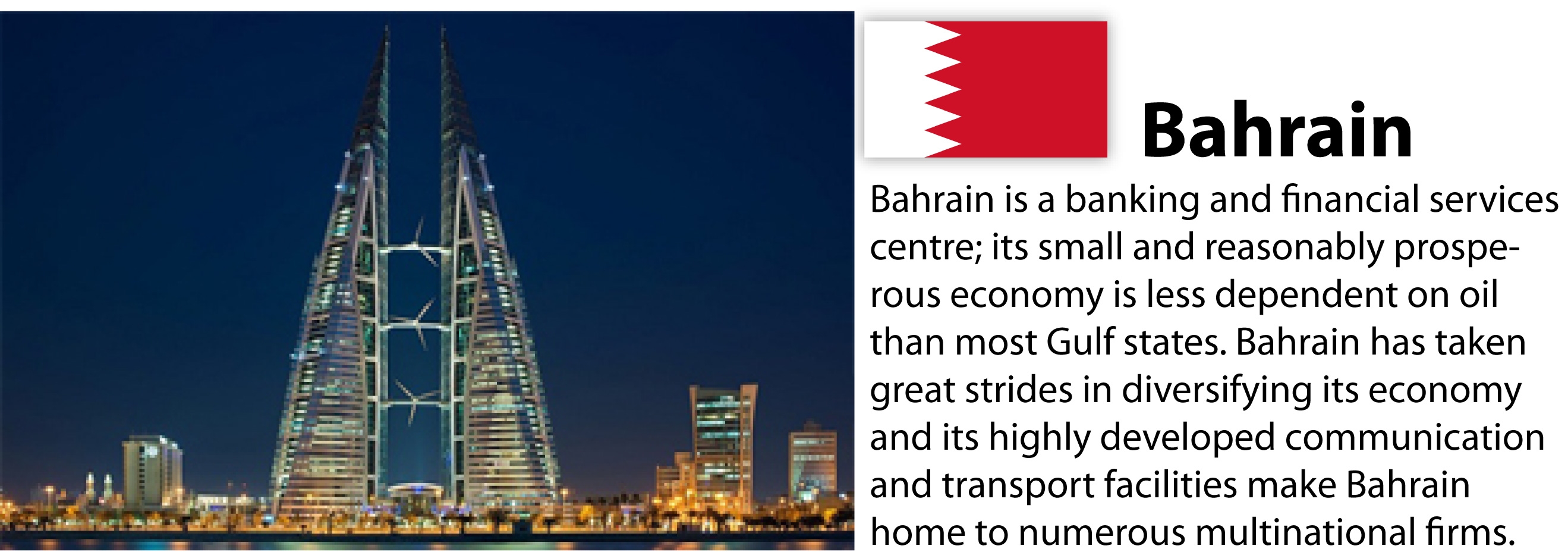
Bahrain

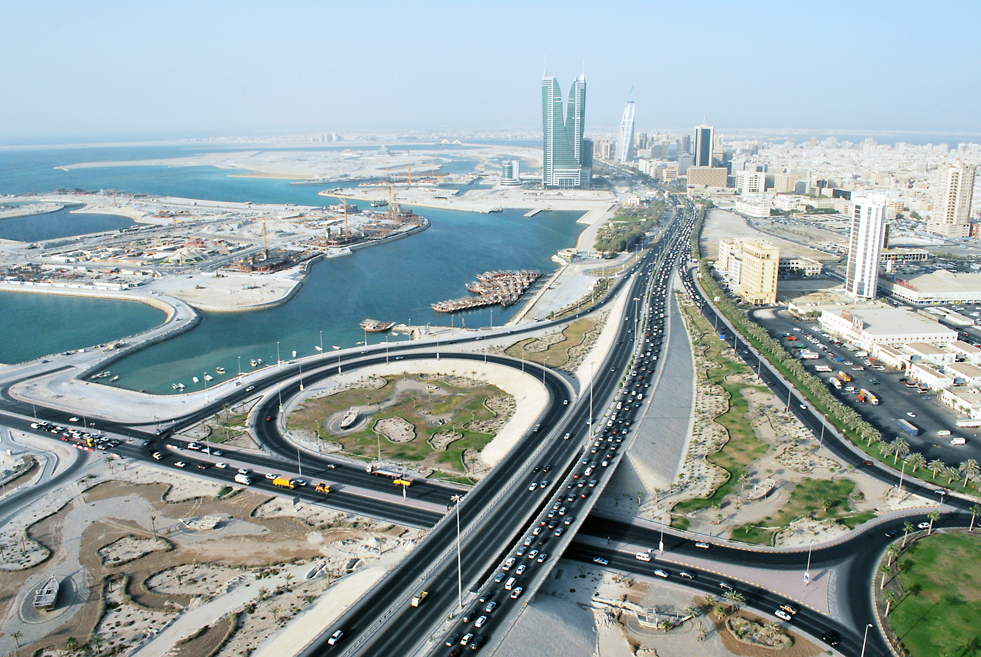
  Bahrain is a banking and financial services centre; its small and reasonably prosperous economy is less dependent on oil than most Gulf states. Bahrain has taken great strides in diversifying its economy and its highly developed communication and transport facilities make Bahrain home to numerous multinational firms with business in the Gulf. Bahrain's economy, however, continues to depend heavily on oil. Petroleum production and refining account for more than 60% of Bahrain's export receipts, 70% of government revenues, and 11% of GDP. Other major economic activities are production of aluminum - Bahrain's second biggest export after oil - finance, and construction. Bahrain competes with Malaysia as a worldwide center for Islamic banking and continues to seek new natural gas supplies as feedstock to support its expanding petrochemical and aluminum industries. The country’s limited oil reserves, which are expected to last only another 10 to 15 years, have led Bahrain to already make significant progress on developing the non-oil sector. Other major segments of Bahrain's economy are the financial and construction sectors. The financial sector contributes around 27 per cent of the kingdom’s GDP, while hydrocarbons contributes around 25 per cent. Manufacturing contributes around 13 per cent. The Kingdom is the main banking hub for the Gulf and a centre for Islamic finance with a total size of $800 billion, which has been attracted by the strong regulatory framework for the industry.   Essential Information Area: 695.25 sq kmPopulation: 1.3 millionCapital: Manama Principal Towns: Muharraq, Jidhafs, Isa Town, Awali, Hidd, Rifaa.Area: 695.25 sq kmPopulation:1.3 millionCapital: ManamaPrincipal Towns: Muharraq, Jidhafs, Isa Town, Awali, Hidd, Rifaa.Languages: Arabic is the official language. English is used widely in business circles.Gross Domestic Product (official exchange rate): $26,5 billion (2012 est)GDP per capita: $20,385 (2012 est.)International Reserves: $5.0 billion (2012 est.)Climate: Tropical Gulf climate with hot summers, mild winters and high year-round humidity. The annual average rainfall is only some 70 mm.Currency: 2.64 US Dollar (USD) = nearly 0.377 Bahraini Dinar (BHD)           Visa Requirements: No visa is required for GCC and British nationals. Other travellers must obtain entry visas in countries where there is a Bahraini consulate, these can then be extended locally. Travellers with an onward reservation may obtain a 72-hour transit visa at the point of entry. Bahrain National Day 16 December Current local time  Weather Bahrain Diplomatic representation in Switzerland  

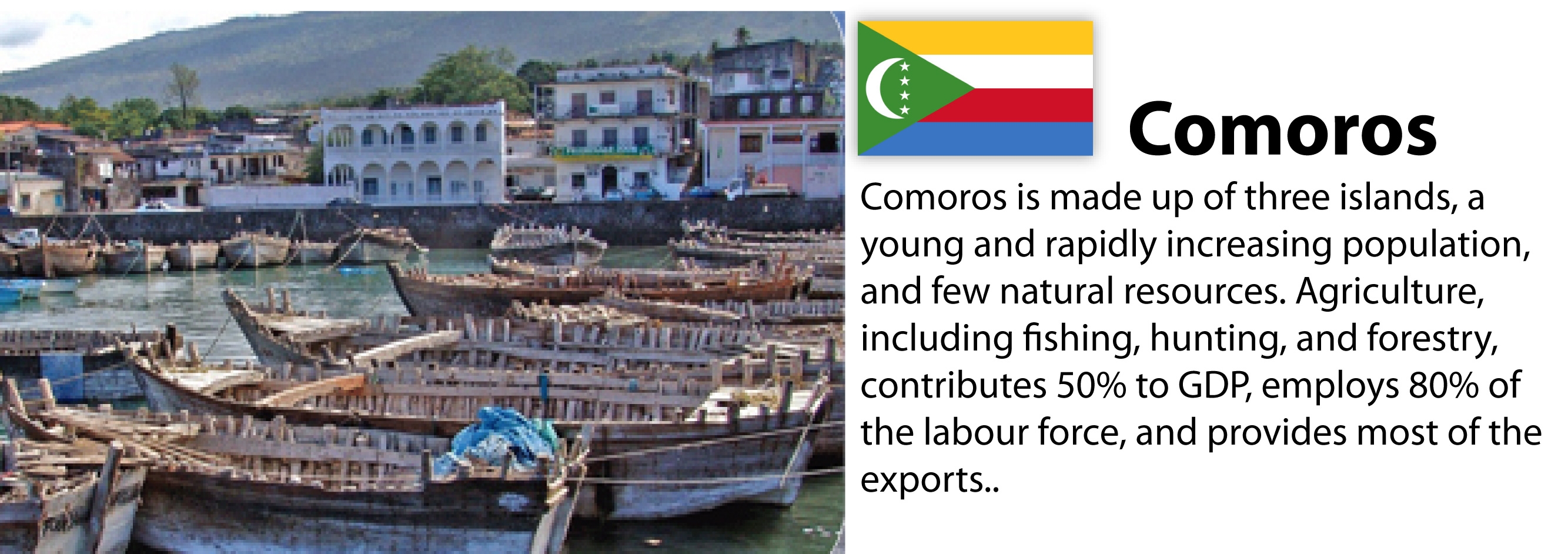
Comoros

  Comoros is made up of three islands that have inadequate transportation links, a young and rapidly increasing population, and few natural resources. The low educational level of the labour force contributes to a subsistence level of economic activity, high unemployment, and a heavy dependence on foreign grants and technical assistance. Agriculture, including fishing, hunting, and forestry, contributes 50% to GDP, employs 80% of the labour force, and provides most of the exports. Export income is heavily reliant on the three main crops of vanilla, cloves, and ylang-ylang; and Comoros' export earnings are easily disrupted by disasters such as fires. The country is not self-sufficient in food production; rice, the main staple, accounts for the bulk of imports. The government is struggling to upgrade education and technical training, privatize commercial and industrial enterprises, improve health services, diversify exports and promote tourism. Remittances from 150,000 Comorans abroad help supplement GDP.  The international donor community currently plays a modest role in the country’s development. According to the OECD statistics, Comoros received approximately US$25 million in development assistance in 2005. France was by far the largest donor contributing almost $17 million followed by UN agencies (including the World Bank) with over $7 million and the EC with over $4 million. Further, the economy is also significantly dependent upon remittances from the estimated 150,000-strong Comorian Diaspora in France and elsewhere. Economic development in the past two decades has been hindered by a combination of recurrent political crises, macro-economic imbalances, and external shocks. A gradual recovery of the economy is observed since 2008. Real GDP is driven by agriculture and services increased by 0.6% in 2008, 1.1% in 2009 and 2.1% in 2010.   Essential Information      Area: 2,170 sq kmPopulation:795,000 (July 2011 est.) Capital:MoroniPrincipal Towns:Fomboni, Moutsamoudou, DomoniLanguages: Arabic and French are the official languages while Comoran, a blend of Swahili and Arabic, is also spoken. Gross Domestic Product (purchasing power parity):$872 million (2012 est.) Gross Domestic Product (official exchange rate):$595 million (2012 est.) GDP per capita: $1,300 (2012 est.) Reserves: 6.2 months of imports of goods and services (2009 est.)Climate: The coast has a moderate climate with temperatures ranging from 13 to 32°C. The summer months of June to September can be hot and humid with daytime temperatures registering between 27 and 32°C; these can be exceeded, for brief periods, when the hot, dry sirocco wind blows from the south. The Sahara desert is hot and arid with daytime temperatures reaching 43°C while night temperatures fall to 10°C or less. Currency: Comoros Franc (KMF) = nearly 0.00281 US Dollar (USD) Visa Requirements: A valid passport and onward/return ticket are required. A three-week entry visa, which may be extended, may be obtained from the airport on arrival. Travellers should obtain the latest details from the nearest Mission of the Federal Islamic Republic of the Comoros.   Comoros' National Day 6 July   Current local time  Weather Diplomatic representation of Comoros in Switzerland  

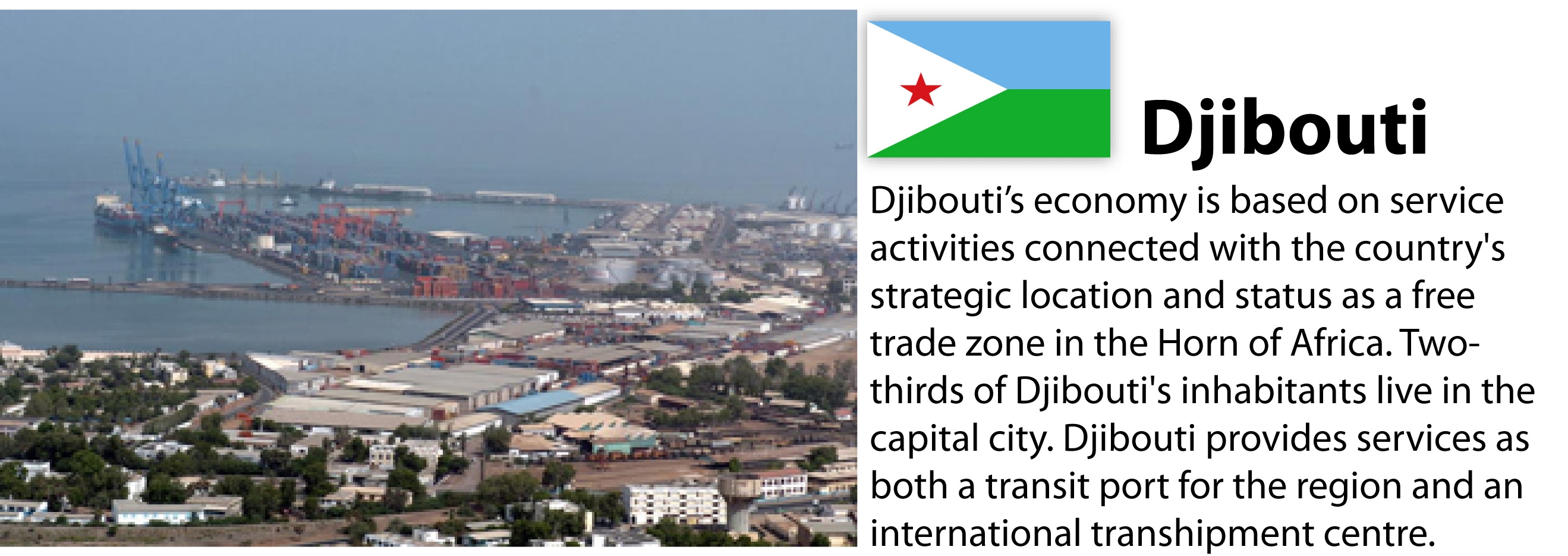
Djibouti

  Djibouti’s economy is based on service activities connected with the country's strategic location and status as a free trade zone in the Horn of Africa. Two-thirds of Djibouti's inhabitants live in the capital city; the remainder are mostly nomadic herders. Djibouti provides services as both a transit port for the region and an international transhipment and refuelling centre. Imports and exports from landlocked neighbour Ethiopia represent 70% of port activity at Djibouti's container terminal. Djibouti has few natural resources and little industry. The nation is, therefore, heavily dependent on foreign assistance to help support its balance of payments and to finance development projects.  The Djiboutian economy has benefited from huge investment in the transport sector namely; port investment, construction and banking sector during the last years. Foreign direct investment (FDI) as well has registered a positive evolution in the last ten years. With the aim of strengthening Djibouti's position as a hub for trade, logistics and related services, as well as a provider of financial services, several road corridors were opened or renovated in 2010. Nevertheless, the economy remains little diversified and highly dependent on port operations in the tertiary sector. This accounts for 76% of GDP, while the primary sector contributes a mere 3.9%. The country depends almost entirely on imports for its food supply. Domestic agricultural production covers only 10% of the country's food needs.  Djibouti is at the crossroads of major sea routes for trading oil and other goods, and wants to become a hub for commercial, logistical and financial services for the Gulf of Aden countries. The government has launched a 4.3 billion US dollar (USD) investment programme, and in 2012, funding was obtained to build new port facilities for salt and potassium exports.  The government is also drafting a long-term development strategy called Vision 2035, and a study is being done of which leading sectors could diversify the sources of national growth and create jobs. Essential Information     Area: 23,200 sq km Population: 792,198 (2013 est.) Capital: Djibouti Principal Towns:Dikhil, Tadjoura, Obock Languages: Arabic and French are the official languages. Afar, Amharic and Somali are also widely spoken. Gross Domestic Product: $1.4 billion (2012 est.) GDP per capita: $1,767 (2012 est.) GDP per capita (PPP): $2,700 (2012 est.) Gross Official Reserves: $0.2 billion (2012 est). Climate: Very hot and arid from April to August with average temperatures of 32°C but reaching 45°C. October through March is slightly cooler with occasional light rain. Currency: 1.00 USD ≈ 179.7 Djiboutian Franc (DJF), 1.00 DJF = 0.00556 USD. Visa requirements: Visas are required by all visitors, except French nationals, on short stay visits. Ten-day visas are available on arrival for US and EU nationals - an onward ticket is also required.    Djibouti National Day, 27 June. Current local time  Weather Diplomatic representation of Djibouti in Switzerland  

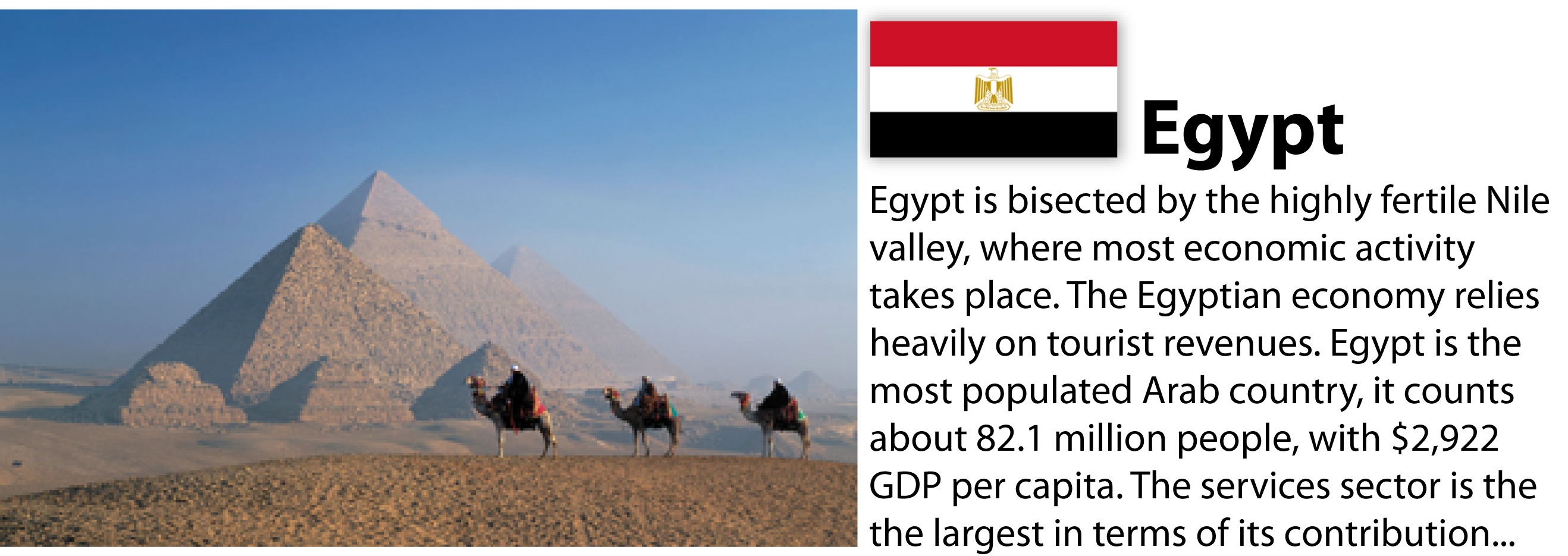
Egypt

  Egypt is bisected by the highly fertile Nile valley, where most economic activity takes place. The Egyptian economy relies heavily on tourist revenues. Egypt is the most populated Arab country, it counts about 82.1 million people, with $2,922 GDP per capita. The contribution of the Egyptian economy is about 0.3% of the emerging markets index MSCI. Egyptian population is rather young. The aged 15 years or less, about 34%, and the age group of youth from 15-35 years old about 35%.  The people who represent the workforce in the category of 15-65 years old represent 62%, which requires a clear map to take advantage of the power work in economic activity. The services sector is the owner of the largest share in terms of its contribution to the GDP of the acquisition of more than 50%, while the contribution of industry and agriculture, two sectors that offers a real job opportunities, permanent and constitute a measure of value added is 37.7% and 13.1% subsequently. The rising contribution of services sector because of its education and health services, provided by public institutions. On the other hand, the tourism sector is considered historically a main source of Egypt’s national income with some 12 million tourists visiting Egypt and spending about $11 billion annually.Egypt’s economy is still suffering from a severe downturn and the government faces numerous challenges as to how to restore growth, market and investor confidence. Political and institutional uncertainty, a perception of rising insecurity and sporadic unrest continue to negatively affect economic growth. Real GDP growth slowed to just 2.2 percent year on year in October-December 2012/13 and investments declined to 13 percent of GDP in July-December 2012. The economic slowdown contributed to a rise in unemployment, which stood at 13 percent at end-December 2012, with 3.5 million people out of work. Foreign exchange reserves have continued to decline to reach about 3 months of imports. Essential Information  Area: 1,002,000 sq kmPopulation: 85,3 Million (2012 est.) Capital: CairoPrincipal Towns: Alexandria, Tanta, Damietta, Suez, Port Said.Languages: Arabic is the official language; French and English are both widely used, particularly in business circles. Gross Domestic Product: $255billion (2012 est.)GDP per capita: $2,989International Reserves: $15.72 billion Climate: Generally warm and dry from November to March although day temperatures can rise to over 38°C. April to October can see periods of intense heat in Cairo and Upper Egypt. Rainfall is limited to the northern, coastal region. A hot and dusty desert wind, the Khamaseen, blows in April/May and August/September.Currency: 1$ ≈ 6.8 Egyptian Pound (EGP) DEMOGRAPHYAge Distribution (2012 est.) 0-14 years: 32.5% 15-24 years: 18.2% 25-54 years: 38.1% 55-64 years: 6.5% 65 years and over: 4.7%  Population Growth 1.92% (2012 est.) Education71.4% of the total population age 15 and over can read and write  NATURAL RESOURCESFossil FuelPetroleum, natural gas MineralsIron ore, phosphates, manganese, limestone, gypsum, talc, asbestos, lead, zinc  Hydro-electricAssuan and Nasser Dams Visa: All visitors must be in possession of a valid passport and a visa. Travellers should ensure that their passports extend for three months from the date of the visa being issued. Where this date may be exceeded intending visitors are advised to renew their passports beforehand as persons found with non-registered passports can be liable to a £E 20 fine. One-month tourist and seven-day transit visas are available at Egyptian ports, airports and frontier posts; even so it is preferable to obtain visas before travelling.  National Day 23 July. Current local time  Weather Diplomatic representation of Egypt in Switzerland

Doing business

Egypt Accelerates Investment Reforms and Prepares New State-Owned Company Listings

Egypt’s Minister of Investment and Foreign Trade, Mohamed Farid Saleh, announced that the government plans to intensify efforts to improve the business environment and reduce bureaucratic obstacles, while preparing to li…

Opinion

4th Industrial Revolution, but for whom?

  By Ayman Abualkhair   (النسخة العربية) Nowadays, much is being said on the 4th Industrial revolution. The world has gone through three industrial revolutions during the last two centuries. The First Indus…

Finance

World Bank Group Allots US$200 Million for Road Repairs in Lebanon

  World bank   (Version Française) (النسخة العربية)    The World Bank Group has earmarked US$200 million for upgrading Lebanon’s road network, seen as a risk to public safety as well as an impediment to urban-rural …

Diplomatic corner

وفد دايركشن المعرفية يزور جنيف ويكرم السفير السعودي الجديد لدى منظمة التجارة العالمية الدكتور عبد العزيز بن محمد الواصل

  نقلا عن موقع "نشر"   قام وفد رحلة دايركشن المعرفية والثقافية بزيارة الى جنيف في السادس والعشرين من شهر كانون الثاني/ يناير من هذا العام حيث التقي سعادة السفير الدكتور عبد العزيز بن محمد الواصل المندوب الدائم لوفد ال…

Reports

Algeria Launches 2026 Oil and Gas Bid Round to Attract New Foreign Investment

22 Apr 2026

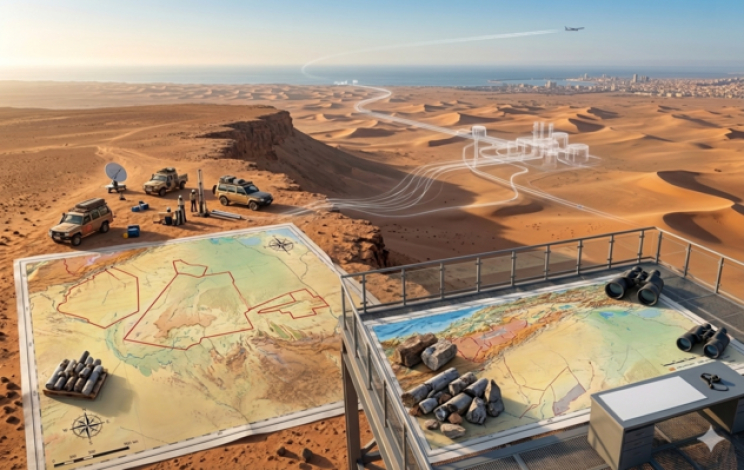
Algeria officially launched a new licensing round for the oil and gas sector, titled "Algeria Bid Round 2026." The move aims to bolster production and attract Foreign Direct Investment (FDI) into the energy sector, the country’s primary source of foreign currency. The bid round includes seven exploration blocks stretching across fields in Ogla, Illizi, Touggourt, and El Bayadh. These areas are believed to hold significant oil and natural gas reserves, positioning them among the most prominent investment opportunities in North Africa this year. This initiative is part of a broader government strategy to revitalize the energy upstream sector and solidify Algeria’s position as a regional gas hub, particularly amid rising global demand for energy sources following the supply chain disruptions of recent years. According to the Algerian Ministry of Energy, the process will enter a technical phase in June 2026, during which project data will be opened to international firms, followed by briefing sessions and technical consultations. Final bids are expected in November 2026, with contracts slated for signing in January 2027. These will include production-sharing contracts (PSCs) or partnership agreements with the state-owned oil giant, Sonatrach. Through this round, Algeria seeks to draw new global energy players into the local market at a time when it is working to scale up production levels and improve the investment climate in a sector that serves as the backbone of the national economy. Its substantial gas reserves further cement its role as a key player in the European and Mediterranean energy markets. The move also highlights a gradual shift in Algeria’s investment policy—moving from traditional reliance on national companies toward a model more open to foreign capital. By offering flexible contractual incentives via production-sharing models, the state aims to mitigate risks for international investors and incentivize entry into high-cost exploration projects. Ultimately, the "Algeria Bid Round 2026" reflects a clear effort to reposition Algeria on the global energy investment map by linking untapped natural resources with foreign capital and technology, amidst a wide-scale reshaping of global energy supply and demand dynamics.

Egypt Ranks Third Regionally in Investment Attractiveness: Insights into Fitch’s FDI Inflows Report

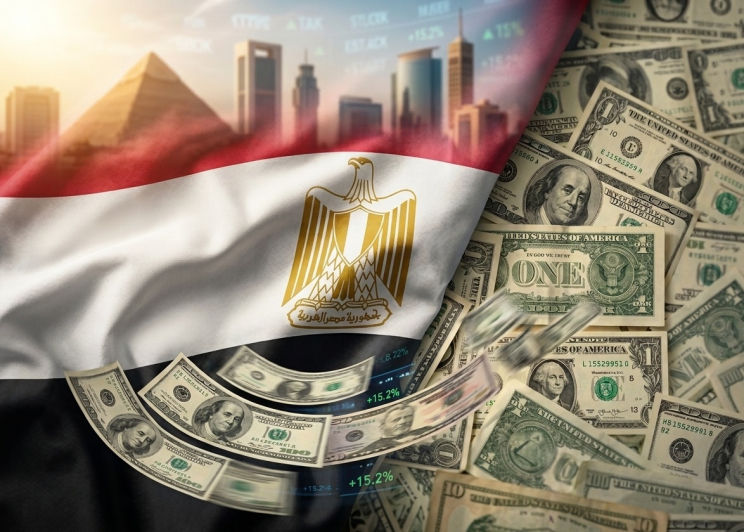
A report by Fitch Ratings—reviewed by the Egyptian Cabinet’s Information and Decision Support Center (IDSC)—revealed that Egypt ranked third among 18 markets in the Middle East and North Africa (MENA) region in terms of investment openness. Globally, Egypt secured the 27th position out of 202 countries, a metric reflecting a relative improvement in its standing on the global investment map. The report indicates that this ranking reflects Egypt's capacity to attract Foreign Direct Investment (FDI) inflows, bolstered by a diversified investment landscape. Key sectors include oil and gas, automotive manufacturing, ICT, food industries, renewable energy, infrastructure, and financial services. This sectoral diversity demonstrates the breadth of the Egyptian economy and its multiple investment catalysts, moving away from reliance on a single sector or limited economic axis. Fitch attributes the improvement in investment flows to several structural factors, including economic growth, a strategic geographic location linking Asia, Africa, and Europe, low labor costs, and a wealth of human talent. This is further supported by a massive domestic market, abundant energy sources, and a tourism sector that remains a long-term draw for capital. Additionally, the report notes the increasing role of Gulf-based financing, which has become a primary source of foreign capital in Egypt in recent years. In the same vein, the report suggests that a flexible exchange rate policy, in alignment with International Monetary Fund (IMF) recommendations, is expected to support the stability of foreign currency inflows in the short and medium term by enhancing the economy’s resilience to external shocks and boosting investor confidence. Egypt aims to attract approximately $60 billion in FDI between 2026 and 2030—a target the report deems relatively achievable, given that annual inflows typically range between $9 billion and $11 billion, excluding exceptional mega-projects. The report contrasts this figure with total investment flows into the African continent, which often remain below $60 billion annually, highlighting the scale of Egyptian ambition relative to its regional context. The report also highlights Egypt's position as a premier investment destination in North Africa, with growing interest from multinational corporations in the industrial, pharmaceutical, and electronic sectors. It notes that the Egyptian government has taken significant steps in recent years to enhance the investment climate, including the implementation of the unified approval system for investment licenses, known as the "Golden License." This system allows for the establishment and operation of projects within a relatively short timeframe of approximately 20 working days, reducing administrative hurdles and accelerating investment entry. The legislative framework has been further strengthened by Investment Law No. 72 of 2017 and its subsequent amendments, which provide tax incentives and guarantees for investors, including facilitating the repatriation of profits and ensuring equality between local and foreign investors. Recent amendments under Law No. 160 of 2023 introduced further incentives, alongside efforts to improve the geographical distribution of investments across the country. Regarding future sectors, the report points to a surge in interest in renewable energy. Fitch expects Egypt to lead the region in solar and wind capacity growth, driven by reforms initiated in 2014 that allowed private sector participation in electricity production and the gradual reduction of energy subsidies. The government aims to increase the contribution of renewable energy to 42% of total electricity production by 2030, a goal currently being met ahead of schedule. The report also sheds light on the expansion of investments in coastal development and tourism, particularly in the North Coast region, alongside the continued importance of the real estate sector, which contributes roughly 20% of GDP, reflecting its deep integration into the macroeconomy. Fitch confirms that Egypt possesses the largest stock of FDI in North Africa. The United Arab Emirates emerged as the largest investor in the country during 2024 and 2025, followed by the United States, the United Kingdom, Italy, Saudi Arabia, and Kuwait, reflecting a diversified base of foreign capital sources. In summary, the report presents a dual image of Egypt as an investment hub: on one hand, there is clear progress in the legislative framework, attractive sectors, and capital flows. On the other hand, actual performance remains tied to the economy's ability to translate these structural advantages into sustainable, long-term inflows within a highly volatile regional and international environment.

Saudi Arabia and Switzerland: A Strategic Partnership from Historical Roots to the Horizons of Vision 2030

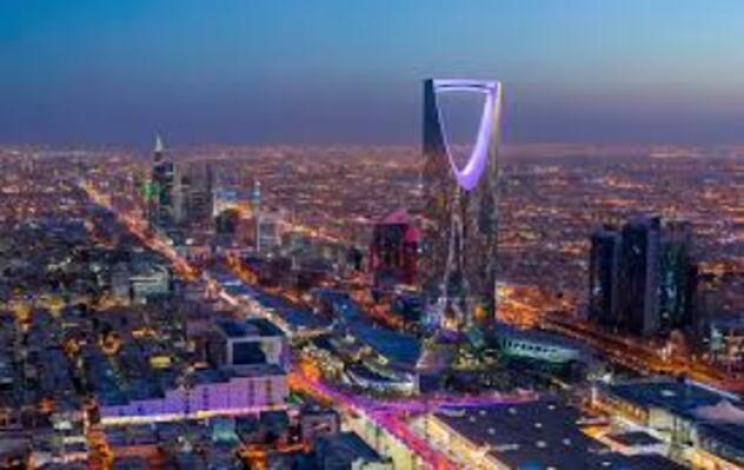
The bilateral relationship between the Kingdom of Saudi Arabia and the Swiss Confederation represents a continually evolving partnership. Grounded in a long history of mutual understanding, it has now entered a new phase characterized by strategic depth, particularly in light of the ambitious Saudi Vision 2030. While Switzerland is a global hub for innovation, finance, and technological expertise, Saudi Arabia stands as the region's largest economy and a gateway for monumental developmental transformation. This confluence of interests creates a vital intersection for collaboration in the fields of entrepreneurship, sustainability, and technology. Historical Foundations of Diplomatic Relations The institutional connection between the two countries dates back many decades, with Switzerland recognizing the newly established Kingdom of Saudi Arabia in 1927. However, formal diplomatic relations were only established in 1956. This relationship saw a significant economic turning point with the formation of the Saudi-Swiss Joint Economic Commission (JEC) in 1975. Since then, the JEC has served as the primary platform for enhancing cooperation in economic, trade, investment, scientific, and technical domains. The relationship has been strengthened by high-level reciprocal visits, underscoring Switzerland's role as a trusted partner, even playing a crucial diplomatic role in representing Saudi and Iranian interests in 2017. Analysis of Economic Relations and Investment Opportunities The Kingdom of Saudi Arabia is currently ranked as Switzerland's second most important trading partner in the Middle East (after the UAE). The total trade volume between them amounts to approximately CHF 6.8 billion (including gold), with Swiss exports accounting for over CHF 6 billion of this figure. Furthermore, the cumulative investment of Swiss companies in Saudi Arabia reached about CHF 1.41 billion by the end of 2022. While this economic volume is an indicator of mutual trust, the biggest driver for future growth is Vision 2030. This unprecedented economic shift has offered vast opportunities for numerous Swiss companies to participate in "Giga-projects" such as NEOM, Qiddiya, and the Riyadh Expo 2030. This direction was affirmed during the recent 14th Joint Economic Commission meeting, where discussions emphasized the need to finalize bilateral legal agreements, such as improving the implementation of the Free Trade Agreement between EFTA states and the GCC, and expediting the conclusion of a new Investment Protection Agreement (IPA). Partnership in Transformation Pillars: Technology, Sustainability, and Entrepreneurship The new Saudi-Swiss partnership is focused on three main pillars, as the Kingdom seeks to leverage Switzerland’s extensive expertise to accelerate its non-oil economic diversification. 1. Technology and Innovation Switzerland is a world leader in technological education and innovation, hosting institutions like the Swiss Federal Institute of Technology in Zurich (ETH Zurich), which is globally prominent in areas such as Artificial Intelligence and Robotics. This expertise aligns perfectly with Saudi Arabia's ambition to become a global technology power, especially after its leadership in global digital development indices. Technological cooperation is evident in several forms: AI and Digital Transformation: Specialized Swiss companies are seeking opportunities to integrate solutions in AI, Blockchain, and even the Metaverse into vital Saudi sectors. Digital Infrastructure: Swiss firms are participating in building the advanced digital infrastructure that supports projects like NEOM, which relies entirely on cutting-edge technologies. 2. Sustainability and CleanTech Sustainability holds paramount importance in the partnership, particularly with Saudi Arabia's adoption of ambitious climate initiatives, including the NEOM Green Hydrogen projects, set to be the world's largest of their kind. CleanTech Forum: The two nations hosted the First Saudi-Swiss CleanTech Forum in 2023, gathering Swiss SMEs that offer innovative solutions for climate change mitigation. Knowledge Transfer: Saudi Arabia benefits from the "bottom-up" Swiss approach to innovation, which focuses on funding basic research in universities and supporting start-ups in renewable energy and environmental solutions. 3. Entrepreneurship and Business Localization The Kingdom views the private sector, including Swiss companies, as an essential engine for achieving development goals, specifically in job creation and economic diversification. Figures indicate that Saudis hold a positive perception regarding the availability of entrepreneurial opportunities and the necessary skills to launch a business. The Localization Challenge: As the market grows more attractive, Saudi Arabia has introduced new policies to ensure value localization.The most prominent is the Regional Headquarters (RHQ) program, which requires foreign companies to move their regional headquarters to the Kingdom to secure government contracts. Additionally, the Economic Participation Policy (EPP) has been adopted, mandating a local economic participation of at least 35% in certain public procurement contracts. Swiss Response: Despite the complexity of these rules, about ten Swiss companies have already responded by relocating their regional headquarters to the Kingdom.This reflects the strategic importance they attach to the opportunities in the Saudi market. Furthermore, cooperation in the hospitality and tourism sector through partnerships for qualifying Saudi tourism competencies is evidence of Swiss expertise penetrating new sectors. Future Outlook and Strategic Trajectory The relationship between Saudi Arabia and Switzerland is currently at its strongest point, having evolved from a traditional trade partnership into a strategic alliance aimed at building the future. Vision 2030 serves as the driving force connecting the robustness of the Swiss economy with Saudi Arabia's ambitious push for diversification. While the Kingdom imposes regulatory challenges (such as RHQ and EPP) to ensure value localization, the fields of CleanTech, Artificial Intelligence, and entrepreneurship remain ideal areas for deepening this cooperation, establishing it as a model for partnership between a developed European economy and an ascending regional power.

UAE's Reno, a Home Renovation Tech Platform, Secures $4 Million to Fuel GCC Expansion

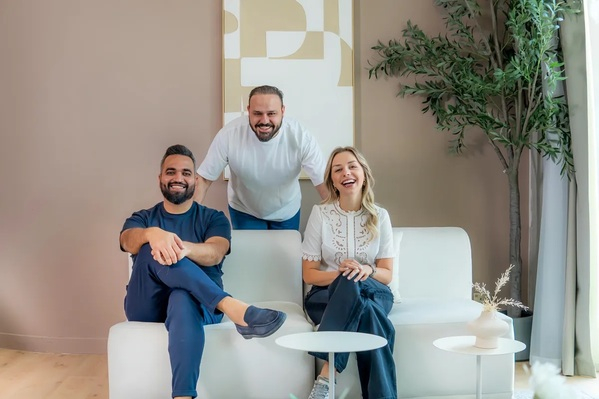
Reno, a technology platform based in the UAE specializing in home renovation and interior design, has successfully closed a $4 million funding round, comprised of a mix of equity and debt. The funding is specifically aimed at building the region's first end-to-end operating system for renovation processes. The round was led by prominent investors, including Sanabil 500, Hub71, Plus VC, Zero 100 VC, FlyerOne Ventures, Sandstorm VC, AngelSpark, and the Swiss Founders Fund. Leading Home Renovation with AI Technology Founded in 2024 by Marc Michel, Amr Hosny, and Farah Karabeg, Reno positions itself as a comprehensive, all-in-one platform for interior design and renovation across residential and commercial projects. The current funding will support the launch of Reno’s new app in early 2026, which is set to introduce innovative features, including: Real-time AI-powered design. Instant budget estimates. An Intelligent Materials Engine, providing customers with complete clarity from the very start of their renovation journey. A Comprehensive and Transparent Business Model Unlike traditional renovation services, Reno integrates all stages of the renovation process into a single platform, covering design, project management, contractor oversight, and financing options. One of its signature offerings is the "Renovate Now, Pay Later (RNPL)" financing option. This model provides a transparent, structured, and fully supervised renovation experience, giving homeowners and property investors unmatched control and visibility through AI-driven workflows and transparent, milestone-based processes. Control and Growth for Investors: Ibrahim Shami, CEO and Co-founder of Seraya (one of the fastest-growing short-term rental operators in the UAE), leveraged the RNPL financing options to renovate multiple units without paying upfront. Reno's support helped him double his portfolio's renovation pace from two to four apartments per month, effectively turning a renovation "bottleneck into an opportunity to expand faster and smarter." Reducing Stress for Families: For a customer like Camillo Schobesberger, a busy professional, the platform-driven approach transformed his renovation into a smooth, structured experience thanks to daily updates, clear budget oversight, and milestone-linked payments. He noted that the platform "made the renovation journey smooth for my family, minimising disruption," and the carefully managed upgrades "increased my property value by nearly 40%." Expansion Outlook Marc Michel, Co-founder and CEO of Reno, stated: "Our goal is to make home renovations as seamless and transparent as possible." With the new $4 million funding, Reno plans to expand its geographical footprint across the GCC region, scale its technology capabilities, and continue to refine the renovation experience. By leveraging innovation and data-driven workflows, Reno is redefining how renovations are managed, helping clients save time, reduce stress, and maximize their property value.

TERN Group Raises $24 Million to Expand Partnerships Across Europe and the Gulf

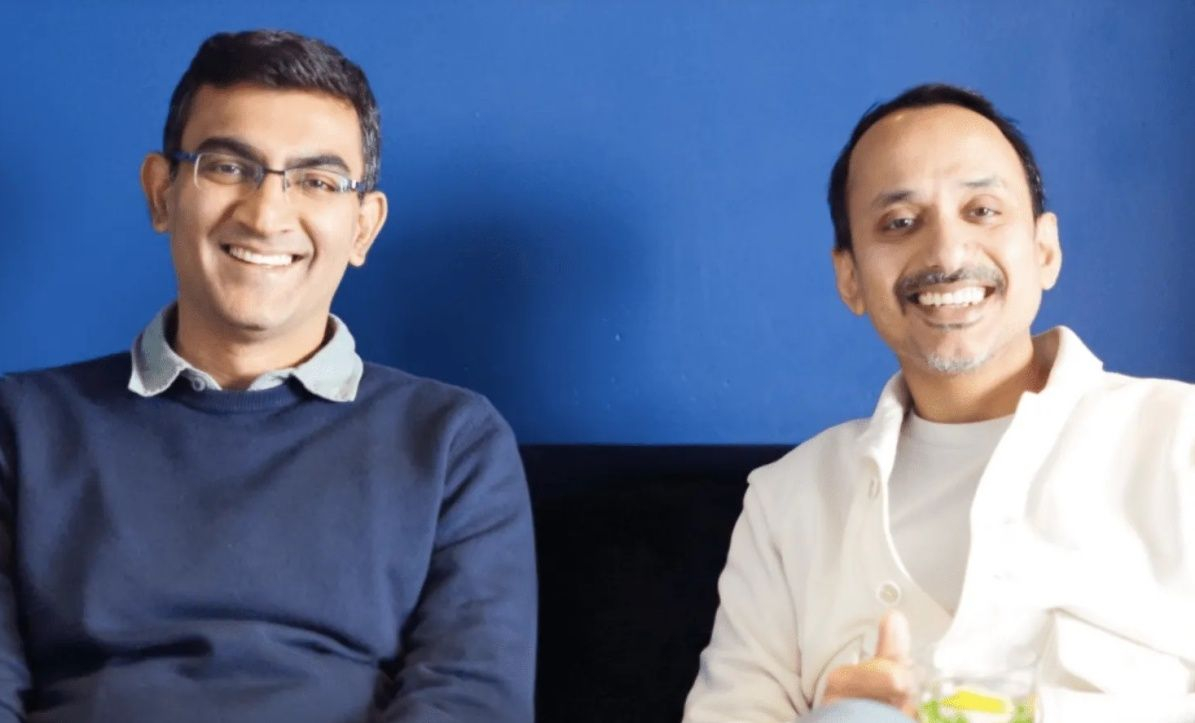
TERN Group, an AI-powered global workforce-mobility platform for healthcare professionals headquartered between the UK and the UAE, has secured $24 million in a Series A funding round, bringing its total capital raised to $33 million. The round was led by Notion Capital (UK) with participation from EQ2 Ventures (UAE), RTP Global, LocalGlobe, Leo Capital, Presight Capital, and investor Tom Stafford, co-founder of DST Global. Founded in 2023 by Avinav Nigam and Krishna Ramkumar, TERN trains, certifies, and places healthcare professionals from 13 countries, cutting international hiring timelines from 6–12 months to under 10 weeks. The new funds will be used to: Scale the company’s AI platform. Enhance training and compliance infrastructure. Strengthen partnerships with healthcare providers across the Gulf region while supporting growth in Europe and the UK. CEO Avinav Nigam emphasized TERN’s mission to make global healthcare hiring faster and more transparent, noting the UAE’s rapidly growing demand for skilled professionals—healthcare spending there is projected to exceed $50 billion by 2029. The platform already serves more than 650,000 healthcare professionals and over 100 healthcare organizations, offering end-to-end solutions including résumé analysis, compliance tracking, and initial interviews, with a support team that assists candidates with training, relocation, and cultural integration. Notion Capital highlighted TERN’s ability to address the global shortage of healthcare workers by combining AI-driven efficiency with strict regulatory compliance, making it a trusted partner for health systems in the UK, UAE, Germany, and beyond. With this investment, TERN Group plans to accelerate expansion in the Gulf and deepen integration with regional health systems, building a sustainable workforce infrastructure that enables hospitals and governments to meet rising healthcare demand efficiently and confidently.

About Us

Enjoy the power of entrepreneurs' platform offering comprehensive economic information on the Arab world and Switzerland, with databases on various economic issues, mainly Swiss-Arab trade statistics, a platform linking international entrepreneurs and decision makers. Become member and be part of international entrepreneurs' network, where business and pleasure meet.


Contact Us

Please contact us : 

Cogestra Laser SA

144, route du Mandement 

1242 Satigny - Geneva

Switzerland