From Oil to Innovation: Saudi Arabia Opens its Doors to European Entrepreneurs
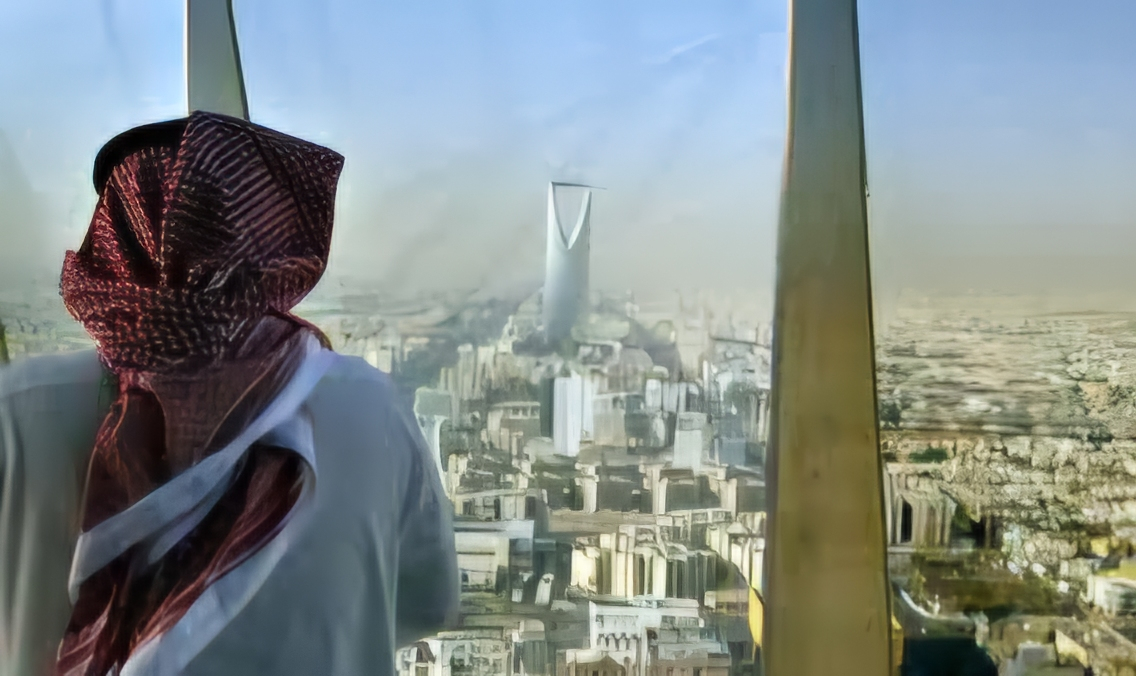
Since the launch of Saudi Vision 2030 in 2016 [REED, 2016], Saudi Arabia has embarked on a significant economic transformation. This article explores why the Kingdom is becoming a focus for European entrepreneurs, examining how this ambitious vision, supported by reforms and investment, seeks to create opportunities for global startups.
Saudi Arabia actively encourages foreign investment, striving to provide an environment with updated legal frameworks, flexible ownership, and fiscal incentives.
A Radical Transformation: Vision 2030 and its Central Role in Entrepreneurship
At the core of this transformation lies "Vision 2030" [Ramos, P4], a comprehensive strategic roadmap to redefine Saudi Arabia's economic identity.
The Vision aims to diversify income streams, reducing historical reliance on oil [Fattouh, P2], which constitutes about 25% of global reserves. Recognizing oil as a finite resource, the Vision prioritizes new, sustainable economic sectors.
Vision 2030 emerged in 2016 due to pressing economic challenges. Following robust growth (5.5% between 2004-2014), the economy declined from 4.1% in 2015 to 1.7% in 2016, driven by falling oil prices and increased US production [Kumar, P96].
This highlighted oil dependency. Domestic challenges like youth unemployment and housing shortages [Alshuwaikhat, P5] [Bahmam, P5] further fueled the government's resolve for comprehensive economic overhaul.
The Kingdom is expanding its economic focus beyond traditional sectors to broaden the private sector's contribution and foster an environment conducive to innovation and diverse employment.
Economic data indicates this shift. Saudi Arabia reported a 44% year-on-year increase in foreign direct investment (FDI) inflows during Q1 of the current year, reaching SAR 22.2 billion (USD 6 billion). This surge reflects ongoing government efforts to enhance national economic appeal.
With an ambitious goal to attract USD 100 billion in FDI by 2030, significant capital is allocated to mega-projects like NEOM, Qiddiya, and the Red Sea Project, designed to create new economic ecosystems for startups.
General Authority for Statistics data shows FDI inflows reached approximately SAR 24 billion (USD 6.4 billion) in Q1 2025, a 24% increase compared to Q1 2024.
While slightly down from the previous quarter, these figures suggest a sustained upward trajectory in attracting global capital.
Incentives for International Investment: Saudi Arabia's Approach to Attracting Entrepreneurs
Policy actions support this investment momentum. Riyadh has implemented measures to encourage foreign companies, offering various facilities:
-
100% Foreign Ownership: This significant shift removes the local partner requirement for full company ownership in most sectors (e.g., wholesale/retail, IT, education, healthcare, manufacturing). However, some strategic sectors (e.g., oil/gas exploration, military equipment, specific real estate) may still have restrictions.
-
Streamlined Procedures and Flexibility: Investment licenses can be obtained rapidly, sometimes in one business day, via the digital "Invest in Saudi" portal, reflecting a commitment to simplifying administration.
-
Support Frameworks and Funding Mechanisms: The Ministry of Investment (MISA) guides entrepreneurs. Significant financial backing comes from sovereign and private investment funds, notably the Public Investment Fund (PIF). Accelerators and incubators like "Misk" and "Falak" offer crucial support, mentorship, and resources.
-
Adaptive Regulatory Environment: Government continuously updates investment laws and reduces bureaucracy. Since 2021, companies seeking government contracts must establish regional headquarters in Saudi Arabia, aiming to deepen foreign business presence.
Vision 2030 reports indicate that FDI as a percentage of GDP met its annual target for 2023, with inflows reaching SAR 96 billion (USD 25.6 billion), a 50% increase from 2022 (excluding an exceptional Aramco deal). This expansion and diversification across sectors reflect growing foreign investor confidence.
Vision 2030 Pillars and Programs: Foundations of Comprehensive Development
Vision 2030 rests on three main pillars [Alshuwaikhat, P7], aiming for sustainable development:
-
A Vibrant Society: Focuses on empowering society, fostering identity, and providing a healthy, fulfilling life. Goals include increasing cultural/entertainment spending, boosting sports participation, and extending life expectancy. In smart cities, this implies safe areas, reduced car dependency, waste management, and renewable energy.
-
A Thriving Economy: Leverages investment power and strategic location to diversify the economy and create jobs. Aims to reduce unemployment from 11.6% to 7% [Alshuwaikhat, P7], increase SME contribution to GDP, raise female labor force participation, improve global competitiveness, and boost private sector contribution.
-
An Ambitious Nation: Emphasizes government's role in guiding mega-projects while supporting the private sector. Seeks to enhance government efficiency through competence, transparency, accountability, and empowering human resources. Aims to improve Saudi Arabia's ranking in government effectiveness and e-government indices.
To operationalize these, Saudi Arabia launched key programs intersecting with sustainable development and smart city concepts:
-
National Transformation Program (NTP): Focuses on digital transformation and Fourth Industrial Revolution technologies.
-
National Industrial Development and Logistics Program (NIDLP): Aims to transform Saudi Arabia into a global logistics hub and industrial powerhouse.
-
Health Sector Transformation Program: Seeks to improve healthcare quality via digital infrastructure, electronic health records, and telemedicine.
-
Housing Program: Aims to raise Saudi household homeownership to 70% by 2030 [Bahmam, P6] via "Sakani" and "Ejar" platforms.
-
Quality of Life Program: Targets placing at least three Saudi cities among the top 100 most livable cities globally, by enhancing services and experiences.
Sectoral Diversification: Beyond Oil
Saudi Arabia has significantly expanded investments beyond oil into sports and infrastructure. Cristiano Ronaldo's arrival at Al Nassr FC in 2023 boosted interest in the Saudi Professional League and highlighted government focus on sports development, culminating in hosting the 2034 World Cup.
The Kingdom also focuses on attracting investors for infrastructure, building modern cities and entertainment destinations linked to supporting sectors.
This aims to reduce oil dependence, moving towards promising future horizons by leveraging economic principles that involve non-governmental entities. This shift is seen as necessary for economic resilience.
Competitive Advantages of the Saudi Business Environment
Saudi Arabia offers competitive advantages for entrepreneurs and investors:
-
Strategic Location: At the crossroads of three continents, it grants unique access to global markets and facilitates trade.
-
Taxation Framework: Foreign companies face a 20% corporate income tax and 15% VAT (GCC nationals are subject to Zakat). Special Economic Zones (SEZs) may offer tax holidays and customs duty exemptions.
-
Economic Cities and Free Zones: Areas like King Abdullah Economic City, NEOM, the Red Sea Project, and designated SEZs offer tailored incentives and, sometimes, relaxed Saudization requirements.
-
Ease of Doing Business Reforms: Platforms like "Meras" and "Qiwa" streamline business registration and HR compliance. Investor visa procedures are expedited, with dedicated support teams.
Steps for Business Setup for Foreign Entrepreneurs
Establishing a business requires planning and adherence to legal steps, overseen by the Ministry of Investment (MISA). Compliance with legal requirements and cultural values is crucial. Common legal structures include: Limited Liability Company (LLC), Branch Office of a Foreign Company, Joint Venture (JV), and Technical and Scientific Services Office.
Key steps:
-
Obtain a MISA License: Submit business plan, financial capabilities proof, professional services record, and meet sector-specific requirements.
-
Commercial Registration (CR) from the Ministry of Commerce (MOC): Register with MOC for a CR certificate, formalizing legal existence. This includes trade name reservation and drafting Articles of Association.
-
Chamber of Commerce Membership: Required for registered businesses for commercial validation and access to services.
-
Zakat, Tax and Customs Authority (ZATCA) Registration: Mandatory for foreign companies (corporate income tax). Businesses over SAR 375,000 revenue must register for and pay VAT, complying with e-invoicing.
-
Municipal and Sector-Specific Licenses: Obtain a municipal (Baladiya) license. Certain sectors (e.g., healthcare, education) require additional approvals from relevant authorities.
Business Etiquette and Cultural Considerations
Understanding and respecting local business etiquette and culture is fundamental:
-
Building Relationships and Trust: Personal relationships and trust are paramount. Invest time in building rapport. Patience is essential, as decisions may take longer.
-
Communication Styles: Often indirect. Use formal greetings and titles. Be mindful of non-verbal cues (eye contact, personal space). Active listening is key.
-
Negotiation Tactics and Practices: Blend formal and informal practices. A collaborative approach is beneficial. Be prepared for a slower pace and demonstrate flexibility.
Local Resources and Support Networks
Saudi Arabia offers diverse support:
-
Government Agencies and Investment Promotion: MISA facilitates foreign investment. The Ministry of Commerce (MOC) oversees commercial activities. The Saudi Export Development Authority (SEDA) supports local businesses' international reach.
-
Business Incubators and Accelerators: Organizations like King Abdulaziz City for Science and Technology (KACST) and Badir Program provide resources, mentorship, and funding for startups.
-
Networking Opportunities and Events: Events (e.g., Saudi International Trade Exhibition, Future Investment Initiative) and local chambers of commerce offer platforms for connections.
Challenges and Mitigation Strategies for Foreign Investors
While opportunities exist, foreign investors should be aware of challenges:
-
Local Market Dynamics: Economy influenced by oil prices. Understanding cultural differences, consumer preferences, and intense competition is crucial.
-
Legal and Compliance Challenges: Complex regulatory environment. Saudization policy requires careful HR planning. Proactive measures and legal counsel are advised for IP protection.
-
Economic and Political Considerations: Regional geopolitical tensions and global oil market dynamics can create uncertainty. Understanding the local political landscape is important.
To mitigate, engaging local consultants or legal/accounting firms is highly recommended. Utilizing government portals like MISA, MOC, ZATCA, GOSI, and "Qiwa" streamlines processes and ensures compliance.
The Future of Innovation in the Middle East Starts Here
In summary, foreign entrepreneurs considering investment in Saudi Arabia navigate a dynamic environment. Success depends on understanding the regulatory framework, market opportunities, cultural nuances, proactive relationship building, leveraging resources, and pragmatic assessment of challenges.
As Saudi Arabia continues its ambitious journey of economic diversification and embraces foreign investment, the scope for growth and innovation appears significant. With a well-informed strategy and adaptability, international entrepreneurs may find rewarding outcomes and contribute to the Kingdom's vision for a prosperous future.
References:
-
REED, M. M. 2016. Saudi Vision 2030: Winners and Losers. [online] Carnegie, 2.8.2016. [cit. 9.1.2019] Available at: https://carnegieendowment.org/sada/64227
-
Ramos, Natalia Torregrosa. "Vision 2030 in Saudi Arabia." P4.
-
Kumar, Nitish. "Saudi Arabia’s “Vision 2030”: Structural Reforms and Their Challenges." P96.
-
Alshuwaikhat, Habib & Mohammed, Ishak. "Sustainability Matters in National Development Visions—Evidence from Saudi Arabia’s Vision for 2030." P5.
-
Bahmam, Ali bin Salem bin Omar. "Housing in the vision of the Kingdom of Saudi Arabia (2030)." P5.
-
Fattouh, Bassam & Sen, Amrita. "Saudi Arabia’s Vision 2030, Oil Policy and the Evolution of the Energy Sector." P2.
-
Alshuwaikhat, Habib & Mohammed, Ishak. "Sustainability Matters in National Development Visions—Evidence from Saudi Arabia’s Vision for 2030." P7.
-
Bahmam, Ali bin Salem bin Omar. "Housing in the vision of the Kingdom of Saudi Arabia (2030)." P6.
-
Gustiawarman, Defri. "Saudi Arabia’s Economic Transformation: Step in Progress." Modern Diplomacy, March 4, 2025.
https://moderndiplomacy.eu/2025/03/04/saudi-arabias-economic-transformation-step-in-progress/