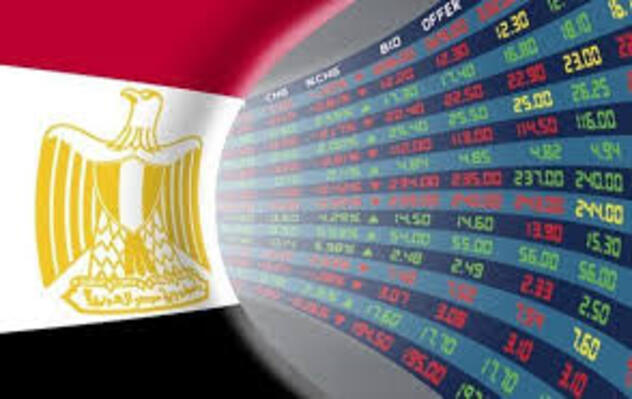
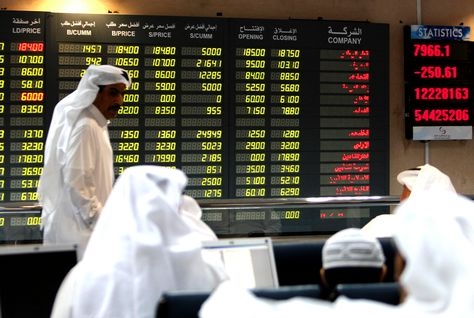
Egypt’s Minister of Investment and Foreign Trade, Mohamed Farid Saleh, announced that the government plans to intensify efforts to improve the business environment and reduce bureaucratic obstacles, while preparing to list up to four state-owned companies on the Egyptian Stock Exchange over the next 12 months.
According to Saleh, the planned reforms aim to simplify company formation procedures, facilitate capital raising, and streamline mergers and acquisitions, particularly for non-listed firms. The government’s immediate priority is to make it easier for existing businesses to operate and expand.
The minister also stated that more than seven companies could be listed on the stock exchange during the coming year, including three to four state-owned enterprises and four to five private-sector firms. The move forms part of a broader strategy to increase private-sector participation and gradually reduce the state's direct role in economic activity.
In March, the government announced plans to sell up to a 20% stake in Misr Life Insurance, a transaction expected to raise approximately EGP 14 billion.
Regarding foreign direct investment (FDI), Saleh projected that inflows during the current fiscal year would increase by 10–15% compared with the previous year’s level of $12.2 billion.
The minister reaffirmed Egypt’s commitment to a flexible exchange-rate regime despite recent pressures on the Egyptian pound stemming from regional tensions. He also stressed that the government remains committed to fiscal discipline and to implementing the economic reforms agreed upon with the International Monetary Fund (IMF).
Saleh further noted that Egypt has met or exceeded several targets under its $8 billion IMF program and indicated that the government is not currently considering a follow-up financing arrangement once the existing program expires.
These measures come as Egypt seeks to strengthen its position as one of the leading destinations for foreign investment in the Middle East and North Africa. Over the past several years, the country has faced a series of economic challenges, including the effects of the COVID-19 pandemic, rising global borrowing costs, regional conflicts, and pressures on foreign currency earnings.
In response, the government has placed foreign direct investment at the center of its economic strategy, viewing it as a more sustainable source of foreign exchange than external borrowing or short-term portfolio inflows. This approach has been accompanied by a wide-ranging reform agenda that includes exchange-rate liberalization, an expanded privatization program, and efforts to create a more competitive environment for private businesses.
Despite its economic challenges, Egypt remains an attractive market for investors due to its strategic geographic location, large domestic market of more than 110 million people, and its role as a regional hub connecting Africa, the Middle East, and Europe. Key sectors attracting investor interest include manufacturing, renewable energy, logistics, real estate, and technology.
However, international investors continue to closely monitor issues such as exchange-rate stability, the ease of profit repatriation, public debt levels, and the pace of reforms aimed at expanding the role of the private sector. The success of the government's current initiatives will likely play a significant role in determining whether Egypt can sustain higher levels of foreign investment in the years ahead.
Tourism revenue, an important source of foreign currency for Egypt, plunged by 70% in 2020.
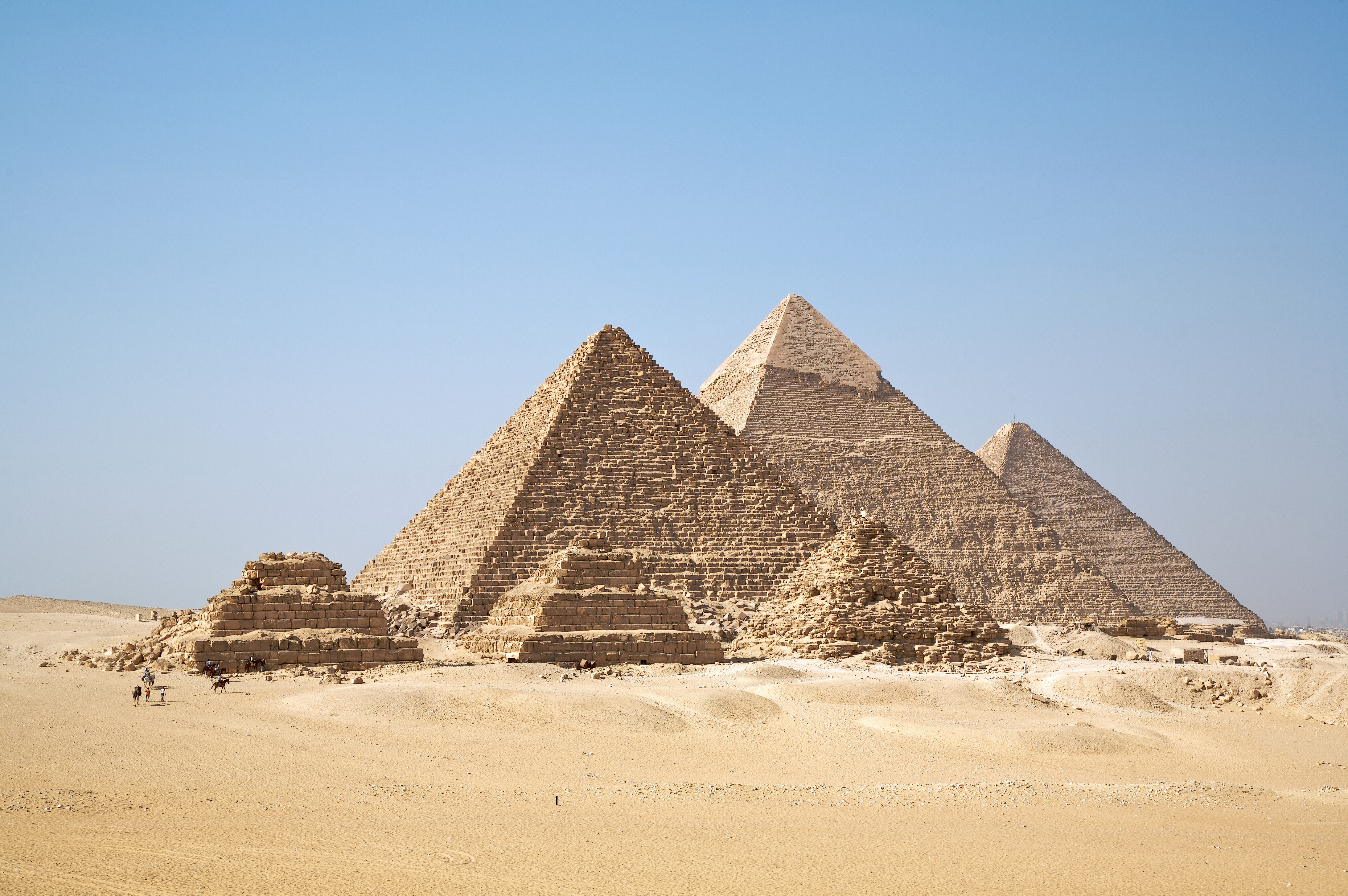
Egypt is optimistic about welcoming more visitors this year with numbers increasing steadily since January to around half a million tourists a month, Tourism and Antiquities Minister Khaled El-Enany told Reuters.
Tourism revenue, an important source of foreign currency for Egypt, plunged by 70% in 2020 due to the coronavirus pandemic. Tourism usually accounts for up to 15% of the country's gross domestic product.
Monthly tourism revenues stood at about $500,000, half of what they were before the pandemic. But Egypt hopes for a recovery by the end of the year when it aims to have vaccinated tourism staff in resorts along the Red Sea and name the area a COVID-free destination, Enany said.
More than 65% of (tourists) are coming to the Red Sea and South Sinai governorates because they are open air spaces and (there are) water activities. It is exactly what the tourist is seeking after COVID," the minister told Reuters in an interview.
Egypt and Russia in April agreed to resume all flights between the two countries in a call between their presidents, Abdel Fattah al-Sisi and Vladimir Putin, Egypt's presidency said in a statement.
"As you know the Russian market was a very important one to Egypt. Until 2015 they were ranking number one, around 3.5 million tourists a year."
Flights from Russia to resort destinations Sharm al-Sheikh and Hurghada were suspended after a Russian passenger plane crashed in Sinai in October 2015, killing 224 people.
Foreigners exited the government debt market when the pandemic began to take hold, but they were enticed back when some stability returned during the current fiscal year
Egypt has one of the highest interest rates in the world, but in 2020 rates fell from 12.25 percent to 8.25 percent, making it more attractive for potential investors
CAIRO: The value of foreign investments in Egyptian government debt instruments in the first quarter of the current fiscal year amounted to about $29 billion, according to a government official.
Egypt’s portfolio of foreign investors in its treasury bills and bonds includes sovereign funds and large Arab financial institutions, the official said.
The country has one of the highest interest rates in the world but, according to the Egyptian Central Bank, in 2020 rates fell from 12.25 percent to 8.25 percent, making it more attractive for potential investors.
The official explained that foreigners exited the government debt market at the beginning of last year, when the impact of the coronavirus pandemic began to take hold in March, but they were enticed back when some stability returned during the first quarter of the current fiscal year.
During the period of the pandemic, about $18 billion of foreign investment exited Egypt’s government debt market, seeing it drop to about $10 billion. The peak of investment was recorded in Feb. 2020, at $27.8 billion.
The six-month reprieve will come into effect once the investors receive their units at the industry clusters recently offered by the Industrial Development Authority
Egypt’s Minister of Trade and Industry Nevine Gamea announced that investors applying for industrial units in the seven new industry clusters will be granted a six-month reprieve from rent.
The six-month reprieve will come into effect once the investors receive their units at the industry clusters recently offered by the Industrial Development Authority (IDA).
Gamea said that the decision aims to relieve the burdens on small enterprises and investors, whilst giving them the opportunity to start their projects.
The minister also announced a two-week extension on the submission period for applications to obtain industrial units in the seven new clusters. The period will now come to a close on 12 December, to give investors an opportunity to prepare feasibility studies for their projects.
Gamea said that the rent set for new units are very affordable for small manufacturers and investors, and that the state has been keen to provide these units at a lower price than the cost. The governmental move aims to support young people, as these clusters were not launched for making a profit.
She also said that the executive regulations under the Micro, Small and Medium-Sized Enterprise Development Law are being drawn up. This represents a significant improvement in terms of facilities, advantages, and investment opportunities that will provide help for young investors working in this promising sector to develop their projects.
Moreover, IDA Chairperson Mohamed Al-Zalat said that the authority is keen to constantly communicate with investors working in all industrial areas and complexes. This aims to help them overcome all the obstacles they may face, and to ensure collaboration to solve their problems.
Al-Zalat said that the IDA is committed to providing all necessary facilities to help investors in the new industrial complexes to obtain all necessary licences for their projects.
He added that units available in the new industry custers will be very distinctive, with each unit equipped with all utilities, including sanitation and water networks.
beltone Financial Investment bank expects the real estate sector to decelerate in 2020 as real estate sales have lost pace or are coming flat, driven by continued oversupply risks in upper middle and high-end project offerings, and slower price increases due to slower inflation readings and stabilisation in the cost base.
Beltone analysts continue to list tier-1 developers, namely TMG Holding (TMGH), Palm Hills Developments (PHDC), Emaar Misr (EMFD), Orascom Development (ORHD), Sodic (OCDI), and Madinet Nasr Housing (MNHD), as they capitalise on their names and track record to drive new sales versus the small and medium sized new entrants.
These tier-1 developers also deliver 7k-10k units per annum combined, which is relatively low compared to the target client segment, representing 2%-3% of Egypt’s growing population as well as the number of marriages of up to 900k per annum.
Real estate sales grew by 2% year over year (YoY) during 1H19 to EGP 31.7bn, compared to 53% YoY growth in the first half of 2018 (1H18) versus 1H17, which looks to be the only slight growth due to existing projects nearing completion, thus slowng down tier-1 developers YoY from launching new real estate. However, Beltone analysts expect 2H19 to be stronger, driven by new project launches toward the end of the year, reaching total sales of EGP 67.2bn, higher by 18% y-o-y.
Throughout 2019, the Central Bank of Egypt’s (CBE) Monetary Policy Committee (MPC) cut interest by 650 basis points , followed by another expected 300 bps cut in 2020, according to Beltone analysts’ expectation.
This led tier-1 to extend payment schemes to reach an average of eight years in 2H19, up from seven years in 2018, to fuel new sales, maintain current growth, and avoid lower prices YoY.
Most importantly, Beltone analysts believe that lower interest rates will push the resale market out of stagnation, which has been pressured by lower disposable income since the Egyptian pounds floatation. The plan is to offer affordable mortgage products for real homebuyers who intend to buy delivered homes in cash.
Beltone analysts added that reviving the resale market therefore should stabilise the local real estate market by attracting new buyers for the primary market.
They also positively view that the latest joint venture including TMGH, EFG Hermes (HRHO), and GB Capital (AUTO) to fund ready-for-sale units in TMGH’s Madinty and Al Rehab Projects, to be followed by funding units in other projects with target sales of EGP 450m-EGP 500m in 2020, to capitalise on lower interest rates and offer a new product to the market.
They also believe that, the beneficiaries from interest rates cuts in 2H19 and 2020 based on size of debt on their balance sheet are PHDC, TMGH, ORAS, OCDI, HELI, MNHD, ORHD, and PORT.
On the other hand, EFG Hermes Investment Bank expected real estate stocks to have underperformed in the general market indices in Egypt.
Market conditions have been challenging, with companies facing difficulties to increase their contracted sales, selling prices, with developers offering extended payment terms, if possible, to encourage sales along with new product offerings across various projects.
They added that a number of macro initiatives failed to reflect positively on the sector’s activity and in turn respective stock prices.
In Egypt, a series of interest rate cuts did not encourage more activity or demand on new launches, given the insignificance of the mortgage activity in the sector’s performance.
Moreover, there have been extended payment terms for new projects across most developers, with a minimal positive impact seen.
They expect real estate stocks in general to underperform the general market index in Egypt 2020, with a few expectations that they will relatively outperform their peers.
Although they have a cautious outlook on the real estate sector and think the stocks will reflect the operating environment, they think that there will be some outperformers and underperformers, on a relative basis in 2020.
They prefer exposures to companies with solid recurring income stream asset bases and strong balance sheets, with a significant debt and local obligation dues. Their key ideas for the year are Orascom Development Egypt and Emaar Misr Egypt.
Moreover, Pharos Holding expect a decline in sales with 10% increase in cost and 5% increase in prices, which lead to lower margins.
They believe that there is no further extension of installment scheduled or an increase in debt.
Pharos analysts hope that, interest rate cuts to sustain demand, stability in costs in light of weaker commodity prices, and a rise in consumer demand on the back of suburban migration.
While they fear deacceleration or decline in demand due to affordability issues, further extension of installments schedule, significant jump in prices, and emergence of installment schedules in the resale market and compete with development companies. They prefer ORHD and TMGH.
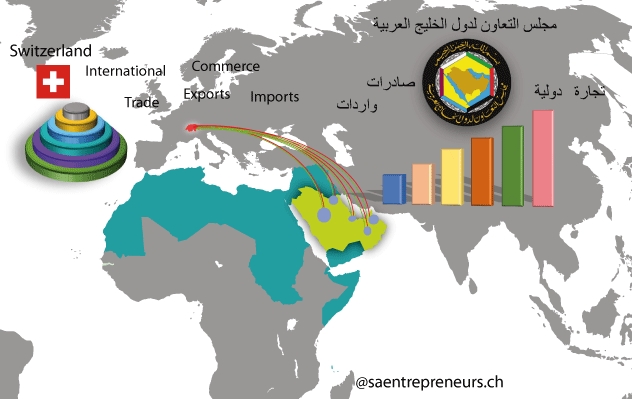
Enjoy the power of entrepreneurs' platform offering comprehensive economic information on the Arab world and Switzerland, with databases on various economic issues, mainly Swiss-Arab trade statistics, a platform linking international entrepreneurs and decision makers. Become member and be part of international entrepreneurs' network, where business and pleasure meet.