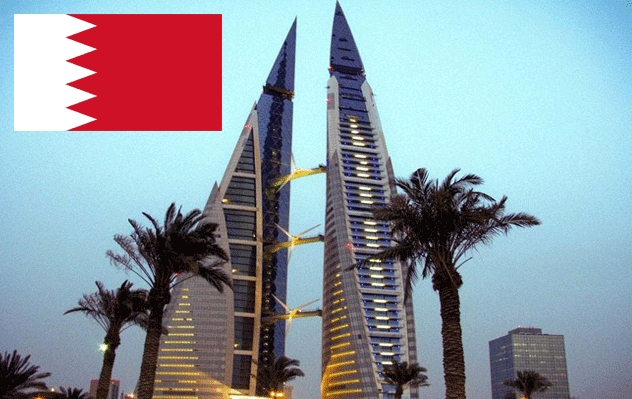



Bahrain Unlocks Golden Residency: Lowering Investment Threshold to Fuel Entrepreneurship
06 Dec 2025

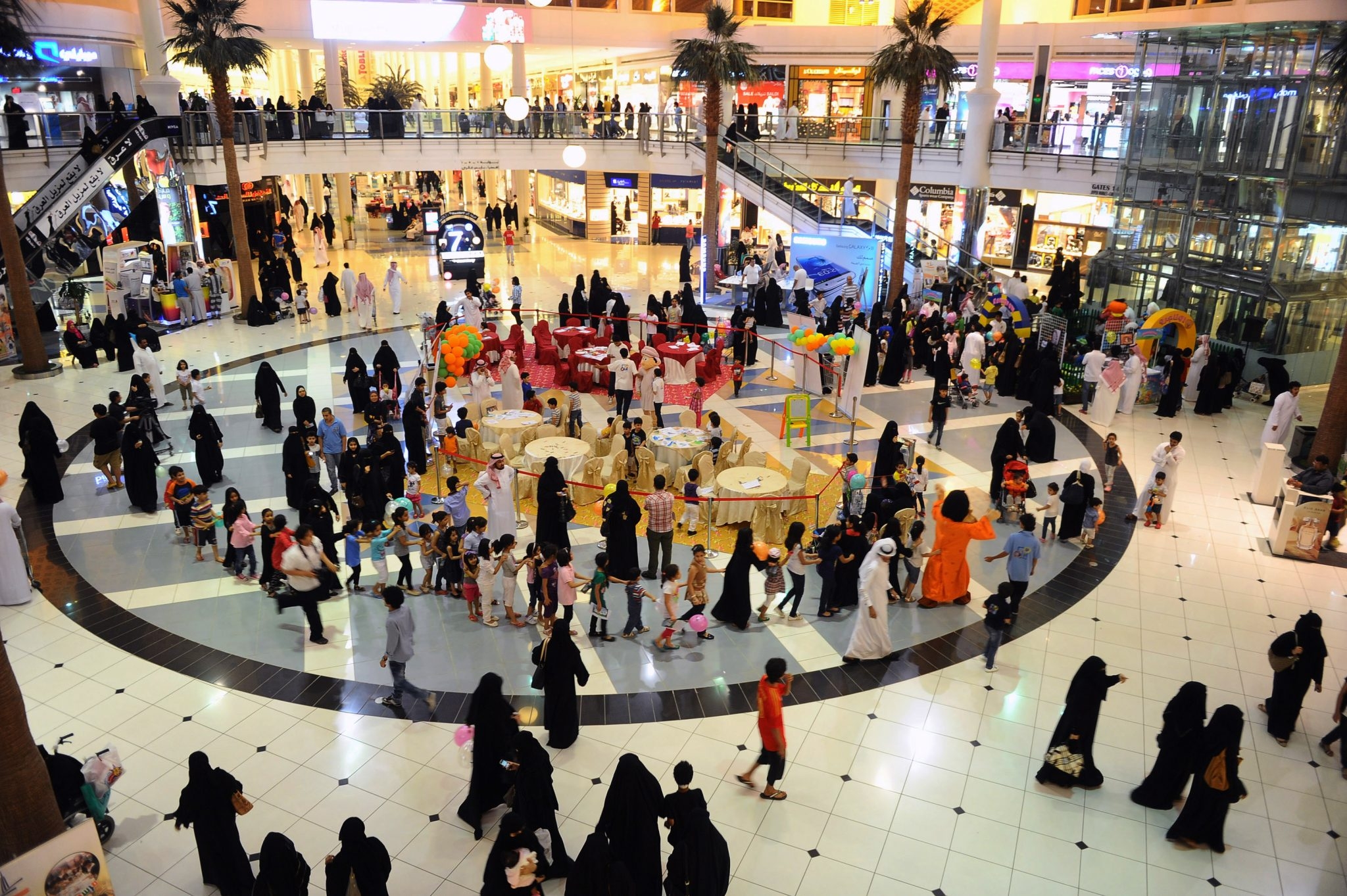
Cities do not have to expand higher and lower, they can grow in the use of time.
Expanding night time creates jobs and supports social inclusion
The Evening Economy (EE) is increasingly capturing the attention of researchers, policymakers, private business, public agencies, the media and the wider community.
The UK’s EE alone supports 1.3 million jobs and creates $100 billion per year in revenue. The EE accounts for 10-16 percent of town center jobs in Sydney. New York’s EE supports around 300,000 employees.
Last week, the Saudi Council of Ministers endorsed the regulation to grant the private sector the right to extend business hours to 24 hours.
This will have a positive impact on the economy by increasing employment opportunities, consumption and disposable income, and allowing new small and medium enterprises (SMEs), especially restaurants and retail operators, to participate in evening hours.
Due to the recent deregulation of business hours, there will be 45,000 direct jobs created in the restaurant and retail sectors, and 20,000 indirect jobs created, over the short to medium term.
An estimated 30,000 part-time jobs could be established.
Female and youth employment could also be encouraged over time. Female unemployment is still high at
31.7 percent but is down from the fourth quarter of 2018.
SMEs could see an uptick in business activity by 6-8 percent, and an increase of 5-6 percent in terms of new establishments.
Restaurants could see an increase in 7-9 percent of their annual business turnover, which could translate to SR68 billion ($18 billion).
Total non-oil gross domestic product (GDP) would amount to an increase of 0.4-0.5 percent of additional value added over the next three years. In terms of gross value added, it translates to SR90-100 billion per annum.
The impact on tourism GDP would amount to an increase of 2.4 percent. The entertainment sector could see an increase of 4 percentage points in value-added terms.
Deregulated business hours is the direction that most developed economies worldwide are taking.
The effects of deregulating business hours are unequivocally positive on the overall economy.
Deregulation will have a negligible effect on inflation on average prices throughout the economy, even as more recently the food and beverage sector has seen prices rise by 1.1 percent.
International agricultural prices have been rising in conjunction with an uptick in some local food items.
Throughout history, towns and cities have had some manifestation of an economy that operates in the evening and at night.
In ancient Greece (and probably before), people traded objects and services beyond the end of the commonly understood working day.
In Asia, night markets selling domestic goods, medicines and food have existed for thousands of years.
But in the 21st-century leisure or post-industrial age, the transactional nature of the evening and night has appeared to grow in importance to the functioning of towns and cities.
So while not having the same weight of economic contribution as daytime activity, what happens “after dark” has greater strategic interest than ever before.
This makes the importance of measuring the location, makeup and economic significance of the EE relevant to a range of policymakers and planners.
This is particularly true in Western and Western-influenced nations, where regenerated post-industrial areas have developed a strong focus on leisure consumption linked to the rise of complimentary changes such as the increase in city-center living, agglomeration of industries attracting mobile young professionals in the new economies and the rise of urban tourism.
The many potential benefits of a vibrant EE have been underemphasized.
There have been no studies of the wellbeing and mental health benefits that may come from enjoying a city’s EE provision.
With Vision 2030 targets to raise female participation rates, working hours in the retail sector gain extra significance. Youth unemployment and part-time employment would also be supported over time.
Businesses are expected to extend their working day by an average of three hours.
This should give people more opportunities to shop in the evening.
Unlike other countries, Saudi Arabia’s peak hours tend to center around the late evening window (around 9 p.m.) for climate and social reasons.
According to the UN, by 2050 more than 80 percent of the world’s population will live in urban areas.
This can be seen as a challenge or an opportunity. To feed and house people, cities will have to create more on the same land.
Cities do not have to expand higher and lower, they can grow in the use of time. Expanding night time creates jobs and supports social inclusion.
Source: zawya
Saudi Arabia is the third Gulf country in nine months to introduce a “golden visa”. Permanent residence starts at €187,000, while one-year renewable residencies are available from €23,000.
Saudi Arabia’s new “Premium Residency” program – approved in May – is now open for applications through a government-administered website.
Under the plan, foreigners will be able to buy real estate, take up employment, conduct business, come and go as they please, as well as sponsor residence permits for their family members, all without a Saudi sponsor, as previously needed, reports Bloomberg.
Subject to their having a clean criminal record and bill of health, as well as demonstrating financial solvency, the program is open to applicants of at least 21 years of age.
The plan “ensures that residents and expatriates – including those who have lived in the kingdom for decades – are an active part of Saudi Arabia’s economy.
This will strengthen the state’s revenue and robustly support the Saudi economy,” Economy Minister Mohammed Al-Tuwaijri told Bloomberg.
Under Saudi law, foreign employees and workers have been subject to considerable monthly fees intended to incentivize private firms to prefer local employees to expatriate ones. Resident foreigners, moreover, needed local sponsors and permission to leave the country, and could not own property.
Those legislative handicaps, coupled with dismal growth in economic output (-0.7% in 2017), have impelled the departure of several hundred thousand expats from the country in recent years, a trend the young ruler hopes to reverse.
Lofty – but perhaps not unrealistic – revenue targets
The program – first proposed by Crown Prince and de facto regent Mohammed bin Salman – is part of a wider strategy to boost foreign investment and reduce the economy’s dependence on oil.
When floating the idea in 2016, the monarch estimated the scheme would raise some US$10 billion per year by 2020.
While that estimate may appear ambitious (even the most popular European programs struggle to reach a billion euros in annual revenue), Saudi Arabia’s golden visa has a built-in customer group; thousands of wealthy Arabs who have lived in the country for decades, and 12 million foreign residents overall, more than a third of the total population.
In a region historically characterized by skepticism toward foreign influence and hyper-restrictive residence requirements, Saudi Arabia becomes the latest country to confirm a trend of immigration policy relaxation; in September last year, both the UAE and Qatar introduced means-based residence visas for expats.
Source: imidaily
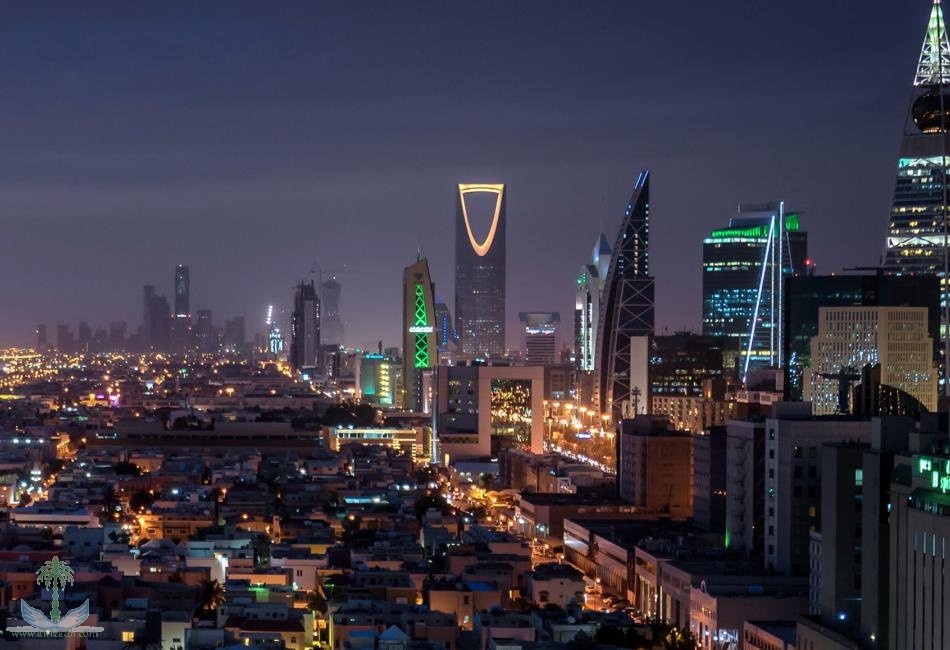
Saudi Arabia seeks foreign direct investment to help diversify the economy away from oil.
The Saudi Arabia General Investment Authority (SAGIA) said that the number of new licences approved for foreign businesses in Saudi Arabia rose by 70 per cent in the first quarter from a year earlier.
Ibrahim Al Omar, the Governor of SAGIA, said that applications from British and Chinese companies drove the increase, rising by 86 per cent and 71 per cent, respectively.
The fastest-growing industries were education, which the Kingdom only opened to foreign investors in November, and information and communications technology, added Al Omar.
The year-on-year growth in foreign licences follows Saudi efforts to remove restrictions on international investments. Yet, fresh foreign direct investment in the country has been modest.
SAGIA is working with the World Bank to improve its ranking on the ease-of-doing-business index, where it currently ranks 92 among 190 countries.
“We are reviewing all licencing requirements, and you will see a 50 per cent drop overall from government departments in terms of the time, cost and number of requirements to invest in Saudi Arabia,” Al Omar said.
Source: bankerme
Saudi Arabian investment firm Kingdom Holding will put the proceeds from the sale of its stake in ride-hailing startup Careem toward $600 million in investments in the kingdom and Europe, its chief executive told Reuters on Friday.
Kingdom, which is 95 percent owned by billionaire Price Alwaleed bin Talal, sold its stake in Careem this week for 1.25 billion riyals ($333 million). It will receive 565 million riyals in cash, plus convertible bonds in Uber Technologies worth 685 million riyals.
"We have five companies on the table that are being discussed, deliberated. Hopefully we will be able to come to a conclusion on where to invest within the next eight weeks," Talal Ibrahim al-Maiman said in a phone interview.
Some of the companies are in Saudi Arabia and some are in Europe, he said. "We're talking about $600 million or so."
"We will not deploy all the cash in one go, but this is the first tranche," he added. "It's a combination of debt and equity."
Kingdom's investments will be directed 70 percent into income-generating dividend-distributing investments and 30 percent into technology and potential growth companies, he said.
Kingdom was among the first investors in Careem, the Middle East rival of Uber, which acquired it this week in a $3.1 billion deal ahead of a hotly anticipated initial public offering.
Lyft, another Uber rival, was valued at $24.3 billion in the sector's first IPO on Thursday and shares opened up more than 20 percent on Friday. Kingdom has a 2.98 percent stake in the firm.
"If we assume exit, which we cannot of course because there's a lock-up period, we've made an IRR (internal rate of return) of 53 percent on Lyft," Maiman said.
"We've made almost 100 percent in Careem, so we've done very well. It's been really a good week for Kingdom."
Maiman said Kingdom would consider raising its investments in Lyft or Uber "if we see an opportunity there".
He added: "I think it would be a while before Lyft looks outside North America... but the Middle East would probably be one of the best international markets versus, for example, South America or the like."
Source: Reuters

E-commerce innovator partners up with Saudi government sector to boost economic diversification in the Kingdom
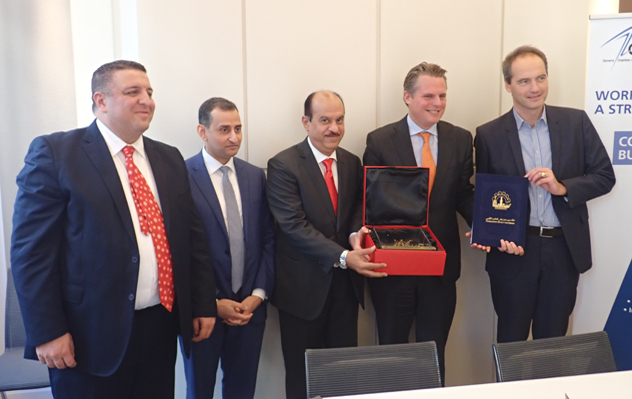
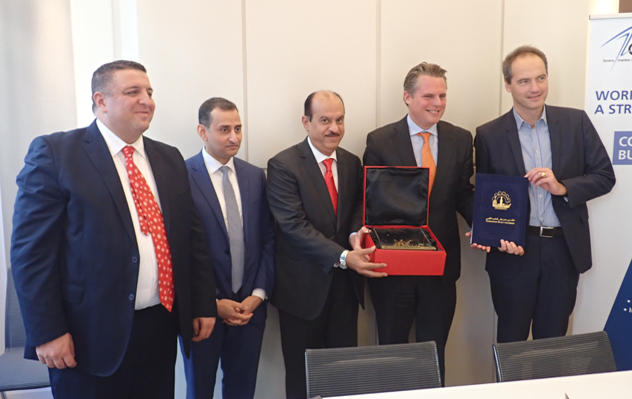
Jollychic, the global online shopping platform and E-commerce ecosystem innovator, attended the Saudi Arabian Investment and Cooperation Forum on February 22, 2019, at the invitation of H.E. Dr. Majid Bin Abdullah Al Qasabi, Minister of Commerce and Investment. Jollychic founder and CEO, Arron Li, signed a memorandum of understanding (MoU) with the Governor of the Saudi Arabia General Investment Authority (SAGIA), Ibrahim Al-Omar, agreeing to form a comprehensive partnership to support the acceleration of digital transformation and enhancing economic diversification in Saudi Arabia.
As the Kingdom steadily advances toward the realization of Vision 2030, the Saudi government has launched a series of ambitious industrial initiatives that aim to contribute to the development of a robust and diversified economic infrastructure. The initiatives include the National Industrial Development Program (NIDLP), the Riyadh provincial development plan and free zone construction plan, as well as the the adoption of a "Cloud First Policy", which aims to accelerate the pace at which cloud computing is adopted within the public sector. Meanwhile, emerging industries such as information technology, modern logistics and e-commerce platforms have received more strategic direction and guidance policies.
Taking place at a transformative time for the Saudi economy, the MoU lays the foundation for Jollychic to establish a strategic relationship with SAGIA as well as relevant government sectors and stakeholders, thereby allowing for Jollychic to deepen its roots in the kingdom.
"It's an honor to partner with SAGIA and we hope to drive the overall competitiveness of KSA business community in the context of the Internet age while bringing unique value to the Kingdom while on its way to Vision 2030", Li said.
As the only e-commerce enterprise to sign an MoU during the forum, Jollychic will take full advantage of its position as an industry leader to lead and contribute to the development of an E-commerce ecosystem in Saudi Arabia, thereby contributing to the establishment of a diversified digital economy in the Kingdom and the achievement of Vision 2030.
As outlined in the MoU, SAGIA will provide comprehensive support for Jollychic to contribute in promoting the local e-commerce industry and ecosystem in Saudi Arabia. "Jollychic is a successful example of a company that is effectively stimulating employment and promoting social progress in the digital economy sector of Saudi Arabia." said Dr. Mazin M. Al Zaidi, Director of Innovation and Entrepreneurship at SAGIA. "We look forward to more tech companies gaining success in Saudi Arabia through a long-term development plan," he continued.
Relying on the solid foundation and business vision of Jollychic in Saudi Arabia, the MoU also captures key content about the e-commerce ecosystem and digital economy in Vision 2030.
Data from market researcher BMI shows that e-commerce sales in Saudi Arabiaare expected to reach $13.9 billion in 2021, up from $8.7 billion in 2017. According to the Kingdom's plans for Vision 2030, the Saudi government aims to increase the contribution of modern trade and E-commerce to 80% of the retail sector by 2020. As a country where about 60 percent of the population is under 30 years old and mobile Internet penetration exceeds 75%, the emerging Internet sector still has massive potential for growth.
With the comprehensive partnership framework called TIES, which stands for Technology, Investment, Employment and Social Awareness, Jollychic will work to enhance communication and cooperation with the Saudi government and other stakeholders to strengthen localization and investment in the areas of technology sharing, investment commitment, promoting employment and raising social awareness, comprehensively cementing the strategic bond for Jollychic with the Saudi market.
"As a non-oil company that had invested and rooted itself in Saudi Arabia at a very early stage, the Kingdom has always been an important strategic market for Jollychic. At present, the company owns one of the largest e-commerce fulfillment centers of the Middle East in Saudi Arabia," said Li. "Jollychic will promote infrastructural improvements such as a logistics network, Internet professional training and so on in Saudi, and actively utilize our expertise in artificial intelligence, big data, and Internet model innovation practice, etc. to build a healthy and sustainable e-commerce ecosystem, and drive economic diversification in Saudi Arabia," he concluded.
Source: prnewswire
06 Dec 2025
16 Aug 2023

16 May 2022
30 Oct 2020
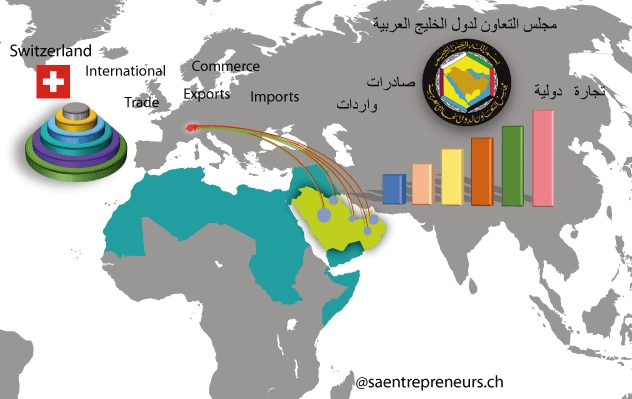
Enjoy the power of entrepreneurs' platform offering comprehensive economic information on the Arab world and Switzerland, with databases on various economic issues, mainly Swiss-Arab trade statistics, a platform linking international entrepreneurs and decision makers. Become member and be part of international entrepreneurs' network, where business and pleasure meet.




Please contact us :
Cogestra Laser SA
144, route du Mandement
1242 Satigny - Geneva
Switzerland