

Bahrain Unlocks Golden Residency: Lowering Investment Threshold to Fuel Entrepreneurship
06 Dec 2025

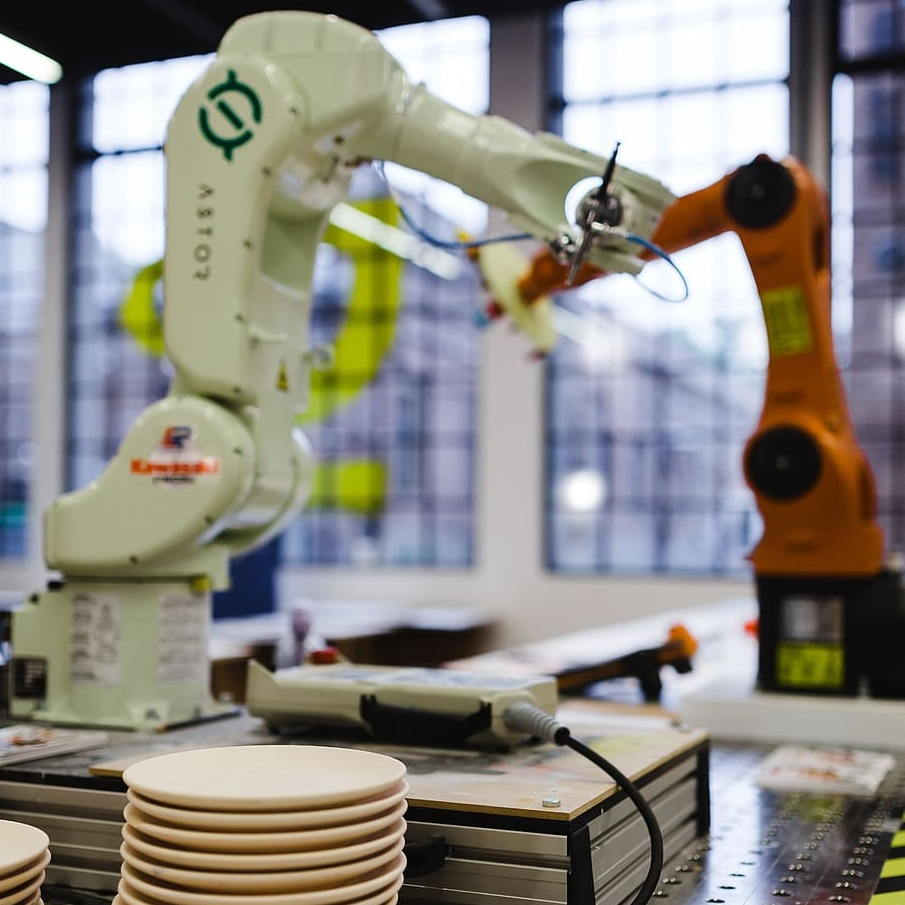
The robot offers options for all taste preferences and meal choices
The enterprising owners of a Saudi restaurant have taken health food technology to a futuristic new level — by employing the services of a salad robot.
Customers at RAW.K’s Riyadh eatery are being offered nutritious, fresh, and energizing meals and snacks from a machine utilizing the latest appliance of robotics science.
The hi-tech, healthy fast food option has been introduced in the Kingdom by RAW.K in partnership with the robot’s creator, Chowbotics, a Silicon Valley-based food robotics company that developed the machine as a means to tackle food-service challenges such as speed, freshness, and convenience.
Fahad Al-Humaidan, a cofounder of RAW.K, told Arab News: “Robotics in the food industry is emerging as a tool to provide a better experience to customers as well as solving many pain points of the industry.
“As a fresh food brand that puts freshness and customer preferences as a key driver for the business, RAW.K found Chowbotics to be the best partner to strengthen our offerings by introducing RAW.K robot.”
Sally the Robot, which was rolled out in Saudi under the name RAW.K Robot, uses precision robotics to assemble customizable salads, bowls, and snacks made from up to 22 ingredients such as chicken, tenderloin beef, baby arugula, corn, and fresh peaches.
The robot also offers options for all taste preferences along with breakfast, lunch, and dinner meal choices. Users can start by selecting from a chef-curated meal or build their own bowl consisting of two bases such as greens or grains, six toppings, and dressings, all of which are replenished daily.
For health-conscious customers or those with strict dietary requirements, the robot provides handy interactive nutrition information that updates as users personalize their meal.
One machine fill can provide 80 to 100 meals and operatives involved in the daily cleaning and replenishment of the stations are given notifications on ingredients’ expiration through a cloud-based dashboard.
source: zawya
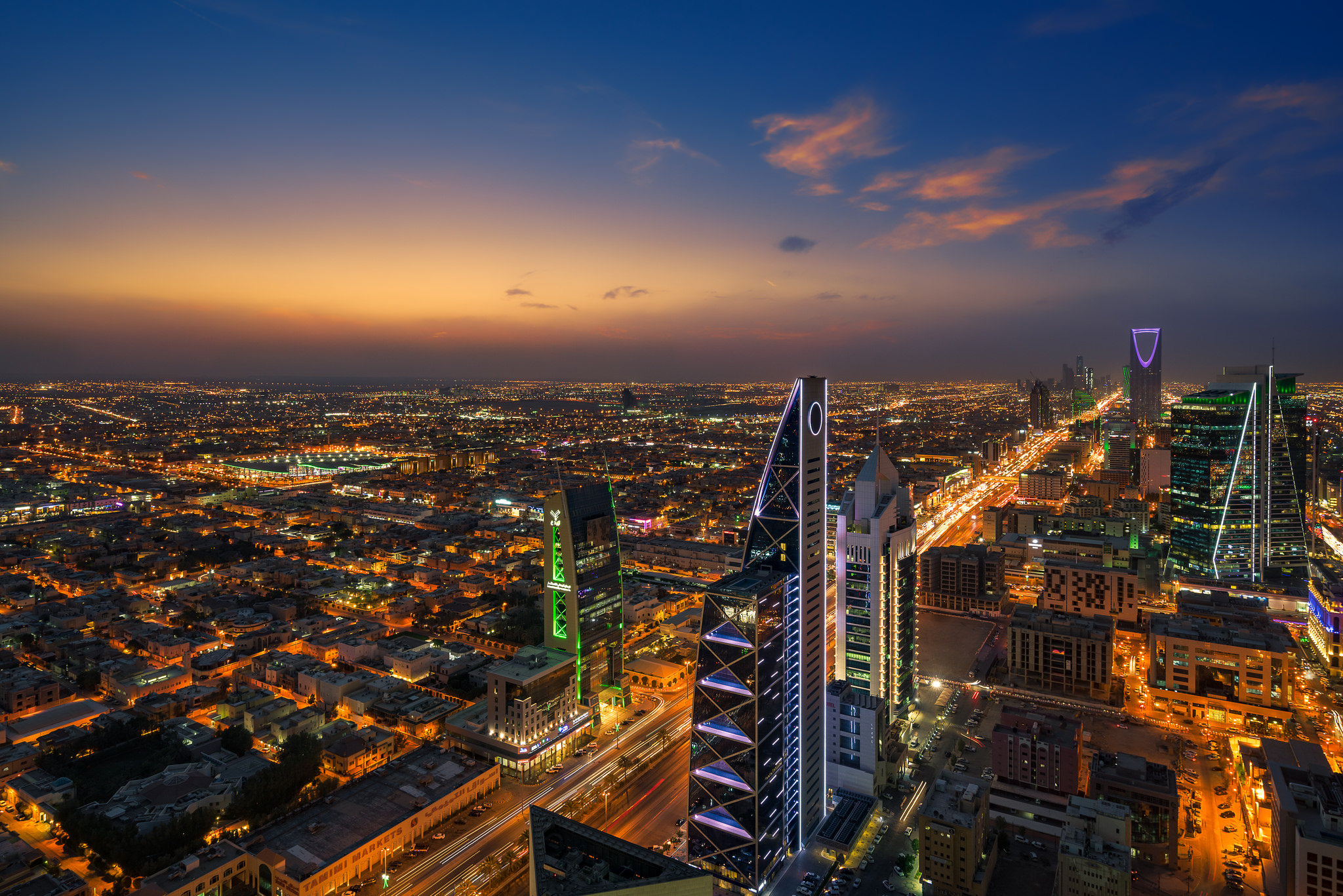
The results of the survey by International Budget Partnership reflected recent efforts exerted by the Saudi government to enhance transparency and disclosure in public finance.
Saudi Arabia has made a marked improvement in terms of budget transparency and accountability, according to the Open Budget Index survey released on Wednesday.
According to the survey, conducted by International Budget Partnership (IBP), an international non-profit organization concerned with evaluating disclosure and transparency of general budgets worldwide, Saudi Arabia has advanced 18 ranks compared to the previous survey, after scoring 18 points compared to one point in the previous survey conducted in 2017.
The results of the survey reflected recent efforts exerted by the Saudi government to enhance transparency and disclosure in public finance.
Commenting on the result of the survey, Dr. Saad Alshahrani, deputy minister for macro-fiscal policies at the Ministry of Finance, highlighted the importance of this achievement that the Kingdom managed to realize within a short period of time and confirmed that with this progress, we aspire in the future to achieve a higher ranking that reflects efforts made in the framework of improving the quality of fiscal data and enhancing the level of transparency and disclosure thereof, which is one of the important tracks pursued by the government of the Custodian of the Two Holy Mosques in line with the Kingdom's Vision2030.
The Ministry of Finance has sought to develop its fiscal systems, providing the greatest possible amount of information about its fiscal policy, disclosing its fiscal and economic data and publishing relevant periodic reports to inform specialists, analysts and citizens in a timely manner.
This has also allowed the private sector and investors to plan ahead and make informed decisions.
Dr. Alshahrani said that the budget forum held annually by the ministry is an effective way to enhance communication and an important channel for identifying the best ways to develop the budget preparation process.
He also said that this forum underscores the importance of partnership between different government agencies to share challenges in preparing the budget and mechanisms to achieve the goals.
The forum is considered a successful initiative to inform the public finance stakeholders on the various projects of the finance ministry and related programs, and to provide training opportunities following the highest international standards.
The deputy minister added that the jump in the Kingdom’s score was the result of several concrete measures taken to enhance transparency. Since the launch of the Kingdom's Vision2030, the ministry has released many reports and has continuously developed its content on an annual basis according to best practices.
The reports address a broad base of specialized recipients and the general public inside and outside the Kingdom.
In 2017, the ministry issued the first detailed budget statement, quarterly (periodic) reports for the budget performance, the citizen’s budget, in addition to the publication of its medium-term fiscal framework. During the past two years, the ministry began periodically publishing the pre-budget statement and year-end report on its website.
Dr. Alshahrani explained that transparency is one of the important aspects of concern to international financial and investment institutions, impacting their investment decisions and is usually reflected in their reports.
He added that, in the past year, the Kingdom’s government joined the Special Data Dissemination Standard (SDDS) adopted by the International Monetary Fund, as well as implemented the Statistical Data and Metadata Exchange (SDMX) initiative on the national data page, making the Kingdom the first among the G20 countries adopting SDDS and to apply SDMX.
The general government coverage was also introduced in the presentation of fiscal data for the first time in the past year. Also, the National Fiscal and Economic Data Page was created on the website of the Ministry of Finance with the participation of the Saudi Arabian Monetary Authority and the General Authority for Statistics.
All of these measures contributed to a material and unprecedented shift in the levels of disclosure and transparency in the Kingdom, leading to an enhanced position on various international indicators and contributing to supporting domestic and foreign investment, as well as the credit rating of the Kingdom.
The Open Budget Index (OBI) is an important global tool, independently prepared every two years to assess the transparency of government budgets around the world.
Countries covered by the open budget survey are ranked according to their scores in the survey.
source: zawya

They can also add $5.3bln to country's GDP, says Bain & Company
Saudi Arabia stands to gain from municipal investments, which are projected to contribute 20 billion Saudi riyals ($5.33 billion) every year to the country’s gross domestic product (GDP), a global management consulting firm said.
At the recent Municipal Investment Forum in Riyadh, Bain & Company highlighted the positive impact of municipal investments, citing that they are “pegged to achieve 5 billion riyals to government revenues” annually and also create 125,000 jobs for residents.
“Given the immense economic impact of municipal investments, it is critical to entice more investors into supporting initiatives in various municipalities and governorates,” Samer Bohsali, a Middle East-based partner at Bain & Company said.
“Investments such as these are key to building competitive cities in Saudi Arabia in support of the goals and objectives of Vision 2030,” Bohsali added.
Municipal investments can support the 35 objectives of Vision 2030 and its six main programs, namely privatisation, housing, quality of life, hajj, national transformation and fiscal balance, according to the global management consulting firm.
“It is significant for governments worldwide, not just in Saudi Arabia, to focus on building competitive cities because of their many economic benefits,” he said.
“A competitive city’s GDP growth stands at 5 times compared with average cities. Job growth stands at 4.5 time relative to average cities. In terms of income growth, competitive cities experience a 10 times increase compared with average cities,” Bohsali said.
source: zawya

Capital adequacy of applicants to be assessed on a case-by-case basis
Saudi Arabia's central bank is reviewing licence requests for two digital banks to operate in the kingdom, the Saudi Arabian Monetary Authority (SAMA) confirmed to Zawya on the phone.
“Work is underway to evaluate these two licence requests,” Yazeed Alsheikh, director for general of banking control at SAMA, was earlier quoted as saying in local daily Aleqtisadiyah.
He added that the policy for granting licenses for digital banks is done through a comprehensive evaluation process that takes into account what added value a provider can bring to the Saudi banking sector.
Earlier this week, SAMA issued licensing guidelines for digital-only banks in Saudi Arabia.
It stipulated that online banks must set up as a locally incorporated joint-stock company and maintain a physical presence in the kingdom.
The Saudi regulator will assess the adequacy of capital of applicants “on a case-by-case basis considering the scale, nature and complexity of the operations,” SAMA said.
source: zawya
The name "Neom" was constructed from two words. The first three letters form the Ancient Greek prefix neo- meaning “new”. The fourth letter is from the abbreviation of Mostaqbal, an Arabic word meaning “future.”
Where will be "Neom" build?
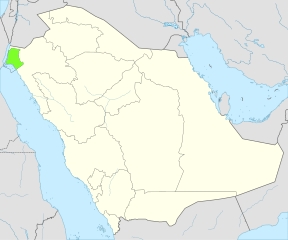
The Neom project is located in Tabuk, Saudi Arabia in the northwest of the Kingdom, extended along with Aqaba Gulf and 468 km of coastline with beaches and coral reefs, as well as mountains up to 2,500 m high, with a total area of around 26,500 sq. km.
What is it's Goal?
Neom (styled NEOM; Arabic: نيوم Niyūm) is a Saudi project for a smart and tourist cross-border city planned for construction, The project is located in the far north-west of Saudi Arabia it will be constructed in Tabuk. It includes marine land located within the Egyptian and Jordanian borders. It will provide many investment opportunities with a total area of 26,500 km2 (10,200 sq mi) and will extend 460 km on the coast of the Red Sea.
What are the purposes of its Goal?
The project aims to transform Saudi Arabia into a leading global model in various aspects, one of the main objectives of the project is to seek ways of cooperation and investment with a wide network of international investors and innovators, and aims to focus on advanced industries and advanced technology. The first phase will be completed by 2025. The project was supported and funded by the Saudi Public Investment Fund of $ 500 billion.
Vision:
The city was announced by Saudi Crown Prince Mohammad bin Salman at the Future Investment Initiative conference in Riyadh, Saudi Arabia on October 24, 2017. He said it will operate independently from the “existing governmental framework” with its own tax and labor laws and an "autonomous judicial system."
The initiative emerged from Saudi Vision 2030, a plan that seeks to reduce Saudi Arabia's dependence on oil, diversify its economy, and develop public service sectors. Ghanem Nuseibeh told Inverse that the Saudi intention was "..to shift from oil to high tech and put Saudi kingdom at the forefront of technological advances. This is the post-oil era. These countries are trying to flourish beyond oil exporting and the ones who don’t will be left behind." The German Klaus Kleinfeld, former chairman and CEO of Alcoa Inc., and former president and CEO of Siemens AG, will direct the development of the city. Plans call for robots to perform functions such as security, logistics, home delivery, and caregiving and for the city to be powered solely with wind and solar power. Because the city will be designed and constructed from scratch, other innovations in infrastructure and mobility have been suggested. Planning and construction will be initiated with $500 billion from the Public Investment Fund of Saudi Arabia and international investors. The first phase of the project is scheduled for completion by 2025.
For High Technologies > Losing List:
Oil Based Fuel Vehicles will be gone
Paper Printed Money will be gone
Taxi with Driver and Delivery Man will be fired
All the Personal Assistants will be fired
Computer of today will be lost from market
High Technologies > Gaining List:
Electric Rechargable Vehicles will Come
Digital Transit will take place of Money
Driverless less vehicle and Drone delivery
Robot will be replaced with Personal Assistant
Regenerative Medicine
Quantum Computing
CRISPR Cas-9 (Clustered Regularly Interspaced Short Palindromic Repeats)
Elimination of > Huntington, Parkinson etc.
source: dev.to
06 Dec 2025
16 Aug 2023
16 May 2022
30 Oct 2020
Enjoy the power of entrepreneurs' platform offering comprehensive economic information on the Arab world and Switzerland, with databases on various economic issues, mainly Swiss-Arab trade statistics, a platform linking international entrepreneurs and decision makers. Become member and be part of international entrepreneurs' network, where business and pleasure meet.
Please contact us :
Cogestra Laser SA
144, route du Mandement
1242 Satigny - Geneva
Switzerland